

An Analysis of Pope Leo XIV’s First General Audience
Scattering the Seed or Diluting the Word? A Traditional Analysis of Pope Leo XIV’s First General Audience
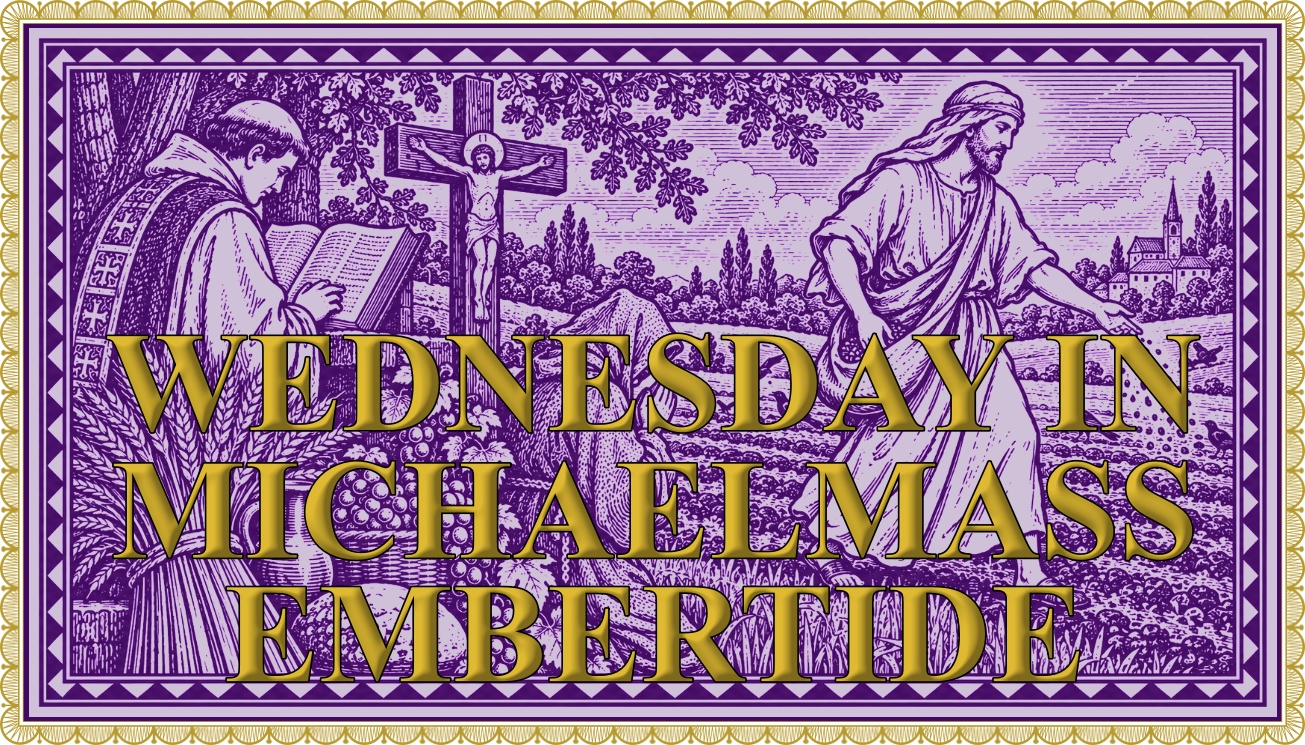
Pope Leo XIV’s first general audience—an address styled as a continuation of the Jubilee catecheses of Pope Francis—chose as its subject the parable of the sower (Mt 13:1–17). Delivered with gentle optimism and rich with pastoral imagery, the catechesis reaffirmed several truths of the Gospel: the prodigality of divine grace, the mystery of human receptivity, and the hope that God’s Word will bear fruit. Yet a closer reading reveals notable absences—of judgment, repentance, and conversion—that weaken the message’s theological force. In this, it becomes necessary to weigh the Pope’s words against the fuller witness of the Tradition, especially as preserved in the writings of the Fathers and Doctors of the Church.
The Seed is the Word—and the Word is Christ
Leo XIV rightly identified the seed in the parable as the Word of God, a truth echoed by the Fathers. St. Jerome comments, “The seed is the Word of God that falls into the hearts of men,”¹ while Origen notes that Christ Himself is the divine Logos, sowing Himself into the world.² The Pope’s assertion that Christ is both the Sower and the Seed reflects a sound theological instinct, resonating with the Pauline vision in Romans 10:17: “Faith cometh by hearing, and hearing by the Word of Christ.”
However, the parable does not merely reveal divine generosity; it also discloses a divine judgment. While Leo XIV speaks of the Word reaching us in “every situation,” he offers no reflection on the fact that three of the four soils fail to yield fruit. St. John Chrysostom, preaching on this very parable, warned, “The Lord does not only sow, but demands fruit; for if we remain hard of heart, the Word bears no benefit.”³ The Pope’s gentle tone obscures this crucial call to conversion.
Soil and the Mystery of the Heart
The Pope interprets the “soil” in the parable as our hearts, communities, and the Church—a plausible pastoral extension. Yet his message tends toward universal optimism: that even when we are distracted, shallow, or burdened by cares, God continues to sow in hope. Here again, truth is present but insufficiently qualified.
St. Augustine, in his Sermon on the Parables, is clear: “Not all who hear will be saved. The same sun softens wax and hardens clay.”⁴ He underscores that the fault lies not with the seed, but with the disposition of the hearer. Leo XIV’s omission of this moral imperative reflects a tendency inherited from Pope Francis’s preaching: to stress inclusion over interior transformation, hope over holiness, and process over penance.
“Wasteful” Generosity or Divine Justice?
The Pope refers to the sower as “wasteful” in a surprising but poetic turn, meant to illustrate the divine liberality of God’s love. While such imagery may appeal to a contemporary audience, it risks romanticising what the Church Fathers saw as a deeply serious theological moment.
St. Cyril of Alexandria insists that “Christ does not waste His Word; rather, He gives it freely, though not all are worthy.”⁵ The sower is not careless but sovereign. He knows the outcome, yet still sows—an act not of sentimental hopefulness but of sovereign mercy and justice.
The Absence of the Call to Conversion
Perhaps the most glaring omission in the address is the call to repentance. The parable, according to the Lord’s own interpretation (Mt 13:18–23), concerns the failure of many to bear fruit due to hardness of heart, worldliness, and superficial faith. St. Gregory the Great warns that “without the labor of penance and the cultivation of virtue, no soul can become fertile soil.”⁶
Leo XIV briefly mentions that we should not be discouraged if we are not “fruitful soil,” and urges us to ask God to make us better. This is true and encouraging—but too tame. It avoids the sharper edge of the Gospel: that many reject the Word and will be judged. There is no mention of sin, penance, or the spiritual battle for salvation. In a time when catechesis is desperately needed to correct doctrinal confusion and moral laxity, this gentle ambiguity does little to re-establish clarity.
Hope as Virtue, Not Feeling
The address ends with a meditation on Vincent Van Gogh’s The Sower at Sunset, suggesting that the sun—not the sower—is central, symbolising God’s providence in ripening the harvest. While artistically evocative, the turn to modern art introduces a sentimental motif in place of theological reflection. Hope, in the Christian tradition, is not simply optimism in mystery, but the infused theological virtue by which we confidently expect eternal life, as promised by Christ.⁷
By contrast, Pope Leo XIV’s treatment risks reducing hope to a vague encouragement rather than a supernatural virtue rooted in the Cross, the sacraments, and the teachings of the Church.
Conclusion: A Seed of Good Will, But Not Yet Fruitful Doctrine
There is much in this first address that reflects a sincere pastoral desire to encourage, uplift, and accompany the faithful. The theological truths are not false—but they are incomplete. Like seed scattered on thin soil, the words inspire momentary reflection, but do not yet root the soul in the depth of divine truth.
A first address sets the tone for a papacy. If Pope Leo XIV wishes to lead the Church back to fertile ground, he must recover the fullness of the parables—not merely their poetry, but their urgency. In the words of St. Ephrem the Syrian: “The parables are ladders by which we may climb—but only if we desire to ascend.”⁸
Let us pray this papacy does not settle for scattered seed and fading sunlight, but tills the soil, purges the thorns, and preaches the Cross—not merely the warm glow of the sun.
Footnotes
¹ St. Jerome, Commentary on Matthew, Book II, on Mt 13:1–23.
² Origen, Homilies on Matthew, Homily 9.
³ St. John Chrysostom, Homilies on the Gospel of Matthew, Homily 44.
⁴ St. Augustine, Tractates on the Gospel of John, Tractate 1.
⁵ St. Cyril of Alexandria, Glaphyra on the Pentateuch, Vol. 3.
⁶ Pope St. Gregory the Great, Moralia in Job, Book 23.
⁷ Catechism of the Catholic Church, §1817–1821.
⁸ St. Ephrem the Syrian, Commentary on the Diatessaron, 1.12.



Leave a Reply