
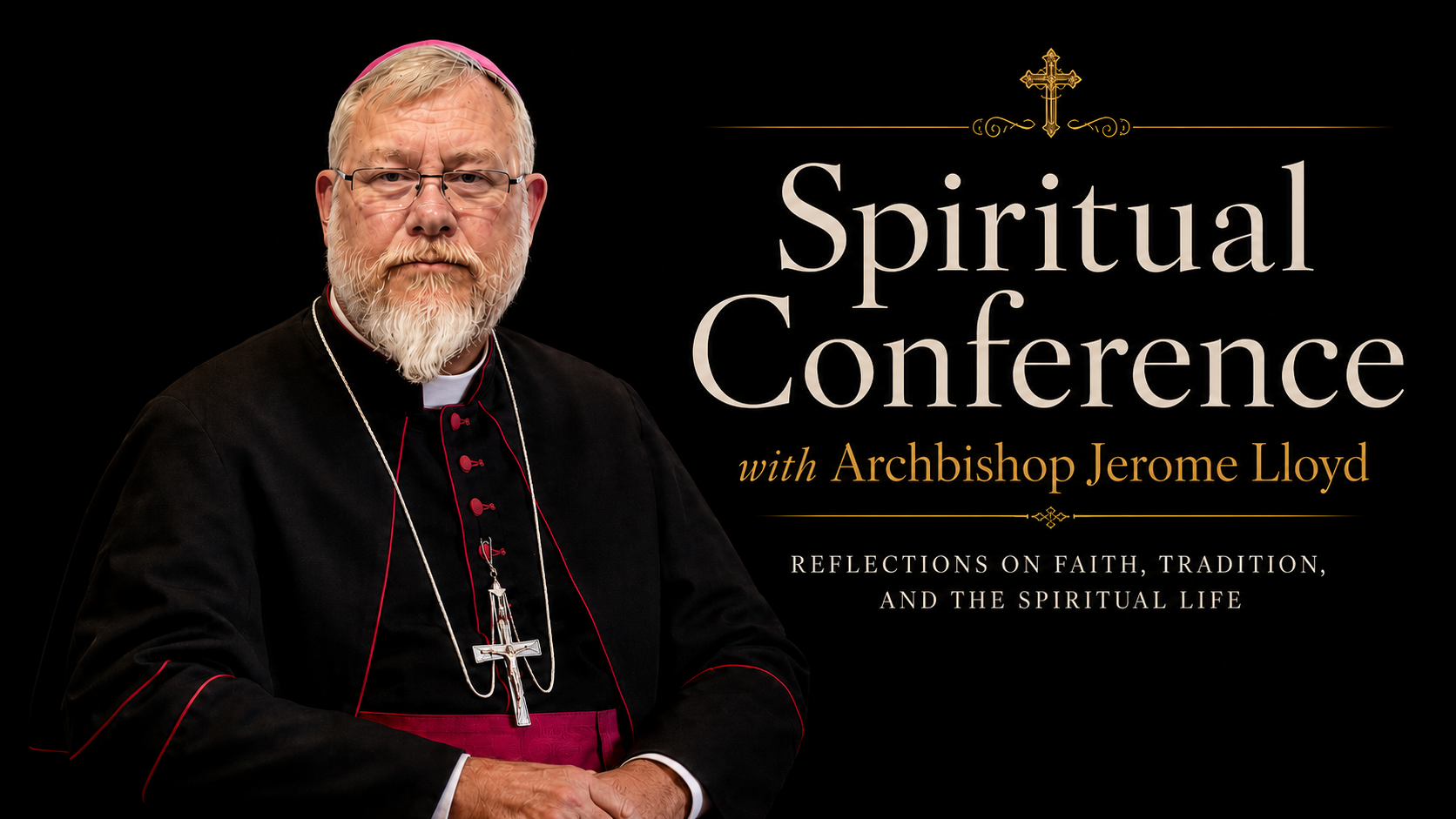
The role of the Archbishop encompasses both pastoral and spiritual responsibilities towards the clergy under his charge. In order to fulfill these duties, he frequently engages in the practice of writing pastoral epistles that are specifically addressed to the clergy as well as others addressed to the faithful. These epistles serve as a means of providing guidance, support, and encouragement to those entrusted to his care.
Tunc Jesus
The epistle discusses the dedication and sacrifices made by priests within the Old Roman apostolate. These priests have chosen to embrace the sacred ministry and become “alter Christus” – another Christ. They understand that true priesthood requires continuous self-sacrifice and a shedding of personal desires. Despite facing challenges and criticism, these priests remain committed to their calling and the teachings of the Church. They do not receive the same recognition as other members of the clergy, but they persevere with unwavering determination and a commitment to their beliefs. Their unique position as the “offscouring of all things” only strengthens their resolve to uphold their values and serve their communities with integrity and compassion.
Et nolite conformari
The epistle discusses the increasing polarization of society and the negative consequences it has on politics, economics, social interactions, and mental health. It emphasizes the importance of maintaining a rational and balanced mindset in order to navigate the complexities of the modern world. It also highlights the need for emotional intelligence and resilience to respond to emotions in a constructive way. The document warns against individuals who are driven by emotions and lack commitment, particularly in the sacred ministry and religious life. It emphasizes the importance of discernment and reflection in understanding the commitment and sacrifices required in these roles. The document also criticizes the conflation of emotion with religion, which can lead to a shallow understanding of faith and a disregard for the transformative power of religious practice. It warns against individuals entering the ministry or religious life based solely on temporary emotions rather than a genuine calling.
Imperativum est
The epistle emphasizes the importance of self-denial and mortification of passions in order to serve God and His Church. It warns against the dangers of self-love and modernism, which prioritize personal interests over the needs of the flock. Obedience to God and His commands, as well as to the authority of the Church, is emphasized. The document reminds priests that they were ordained to serve others, not themselves, and that their focus should be on fulfilling their calling and sacrificing for God. It warns against the preoccupation with self and the promotion of personal interests, which are signs of a modernist mindset. Overall, the document emphasizes the need for priests to prioritize their duty to God and His Church above all else.



Leave a Reply