On 24 June 2025, Liberal Democrat MP for Guildford, Zöe Franklin, gave an interview to Premier Christian News explaining her decision to support the Assisted Dying Bill, which recently passed its Third Reading in the House of Commons. In that interview, Ms Franklin described the Bill as “safe, compassionate and carefully regulated,” and stated that her Christian faith informed her vote. She expressed the view that God “is not content” with the suffering of those unable to access assisted death and argued that such inequality is unjust.

In response, Archbishop Jerome Lloyd of the Old Roman Apostolate has issued an open letter, published below, addressing the moral, theological, and legislative concerns raised by Ms Franklin’s position.

The Archbishop’s letter engages not only with the doctrinal incompatibility of assisted suicide with the Christian faith, but also with the serious legal, medical, and ethical implications of the Bill. Drawing on official statements from multiple Royal Colleges—including the Physicians, Psychiatrists, General Practitioners, Pathologists, and Surgeons—the letter underscores widespread professional alarm about the Bill’s deficiencies in safeguarding the vulnerable, ensuring clinical oversight, and preserving the integrity of end-of-life care.

The letter also reflects the consistent moral teaching of the Church on the sanctity of human life, the nature of true compassion, and the dangers of allowing emotionalism to guide public policy.

This intervention is part of the Old Roman Apostolate’s broader mission to defend the dignity of the human person and bear witness to perennial Catholic teaching in the public square. It is offered in a spirit of respectful engagement, pastoral concern, and moral clarity.


LATEST ARTICLES


  • Today’s Mass: September 05 Saint Lawrence Justinian
    Saint Lawrence Justinian, the first Patriarch of Venice, dedicated his life to the poor and the establishment of monasteries, rejecting noble marriage. Renowned for his humility and pastoral dedication, he emphasised the spiritual integrity of Venice’s safety. He was a precursor to the reforms of the Council of Trent, dying on 8 January 1455.
  • 06.09.26 Nuntiatoria CXXII: NOMEN MANET, RES DEEST
    This edition of Nuntiatoria explores the disconnect between the names of Catholic institutions and the realities they signify. Despite retaining their titles, many aspects of Catholicism—such as episcopal authority in China and religious practice in Poland—exhibit deteriorating substance. The piece cautions against superficial continuity, stressing the importance of genuine faith and practice over mere nomenclature.
  • ORDO w/c 06.09.26
    The document outlines the liturgical schedule for the week of 6 to 13 September 2026, highlighting significant religious observances such as the Fifteenth Sunday after Pentecost and the Nativity of the Blessed Virgin Mary. It reflects on themes of compassion, holiness, fidelity, and humility, underscoring their importance in Christian life.
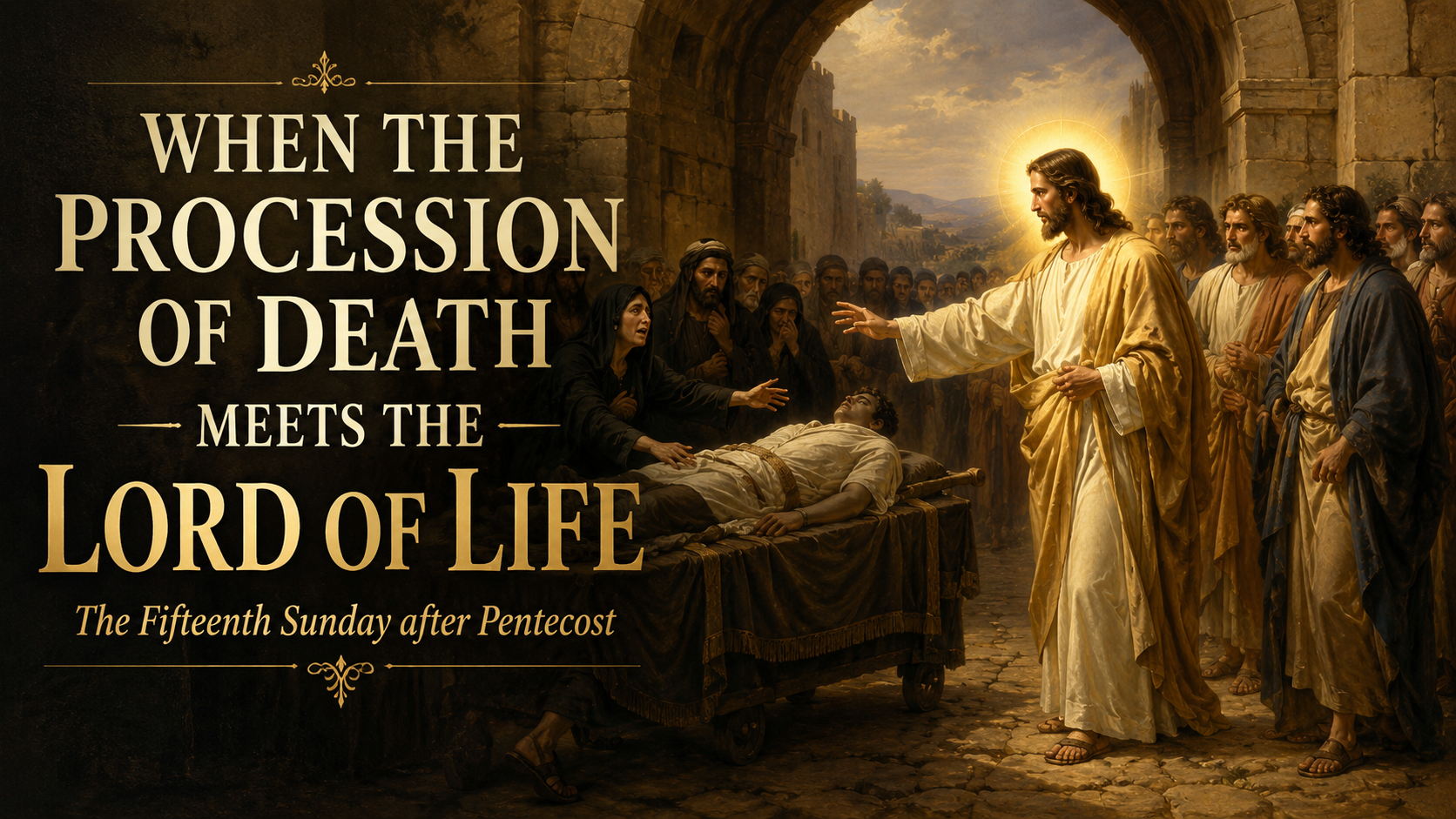
  • The Fifteenth Sunday after Pentecost: When the Procession of Death Meets the Lord of Life
    The Fifteenth Sunday after Pentecost focuses on the transformative power of Christ, emphasising the supernatural life granted through grace. The liturgy highlights the Church’s role as a nurturing mother, mourning the spiritually dead while seeking their restoration. Christ’s compassion leads to resurrection, demonstrating that true life is found in dependence on Him.
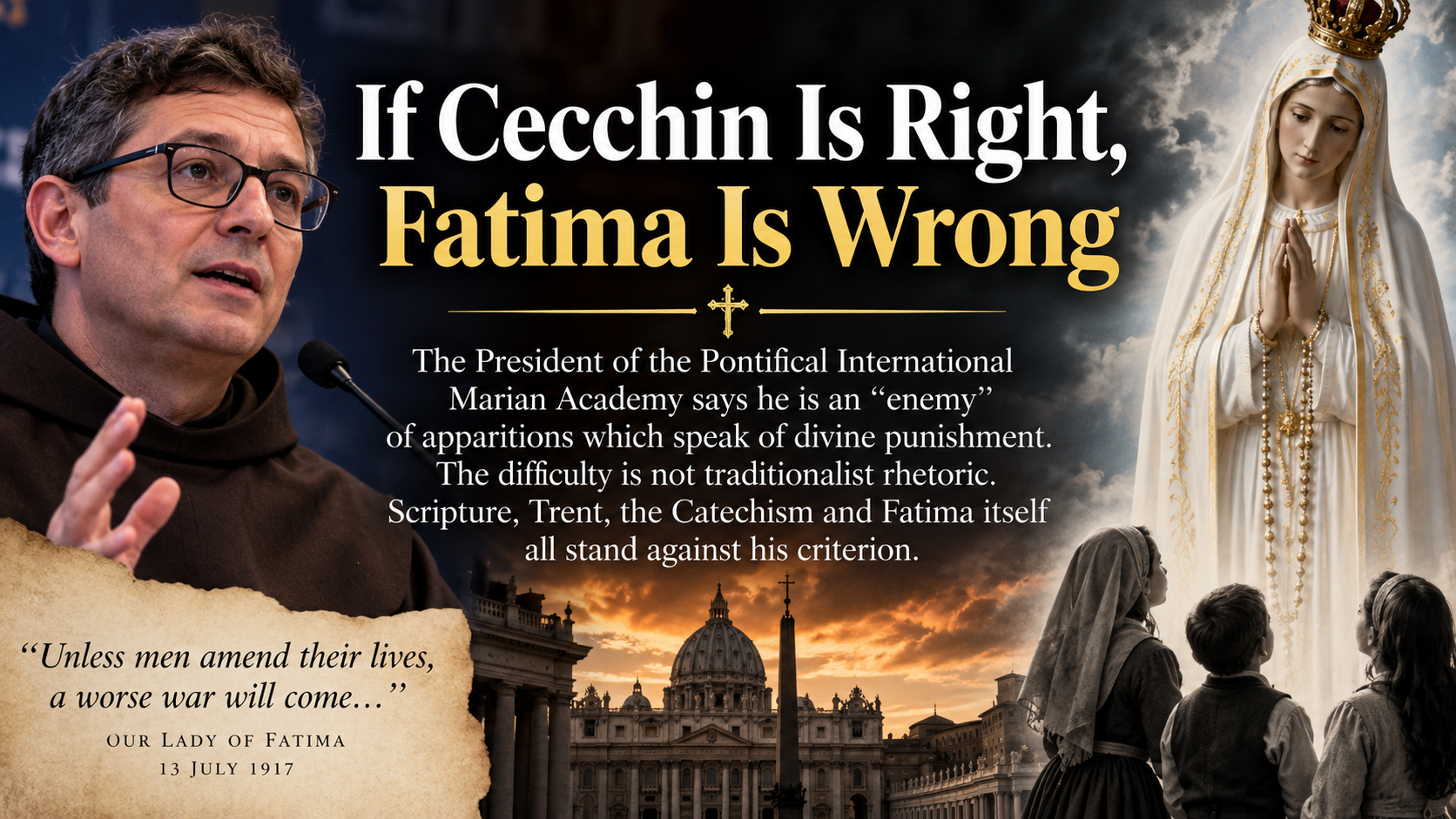
  • If Cecchin Is Right, Fatima Is Wrong
    Fr Stefano Cecchin, President of the Pontifical International Marian Academy, has declared opposition to apparitions that speak of divine punishment, suggesting they are false. This stance contradicts fundamental Catholic doctrine, including teachings from Scripture, the Catechism, and specifically the Message of Fatima, which warns of divine consequences for sin.

LITURGY


Leave a Reply

Trending

Discover more from NUNTIATORIA

Subscribe now to keep reading and get access to the full archive.

Continue reading