Subscribe to continue reading

Become a paid subscriber to get access to the rest of this post and other exclusive content.


LATEST ARTICLES


  • 06.09.26 Nuntiatoria CXXII: NOMEN MANET, RES DEEST
    This edition of Nuntiatoria explores the disconnect between the names of Catholic institutions and the realities they signify. Despite retaining their titles, many aspects of Catholicism—such as episcopal authority in China and religious practice in Poland—exhibit deteriorating substance. The piece cautions against superficial continuity, stressing the importance of genuine faith and practice over mere nomenclature.
  • ORDO w/c 06.09.26
    The document outlines the liturgical schedule for the week of 6 to 13 September 2026, highlighting significant religious observances such as the Fifteenth Sunday after Pentecost and the Nativity of the Blessed Virgin Mary. It reflects on themes of compassion, holiness, fidelity, and humility, underscoring their importance in Christian life.
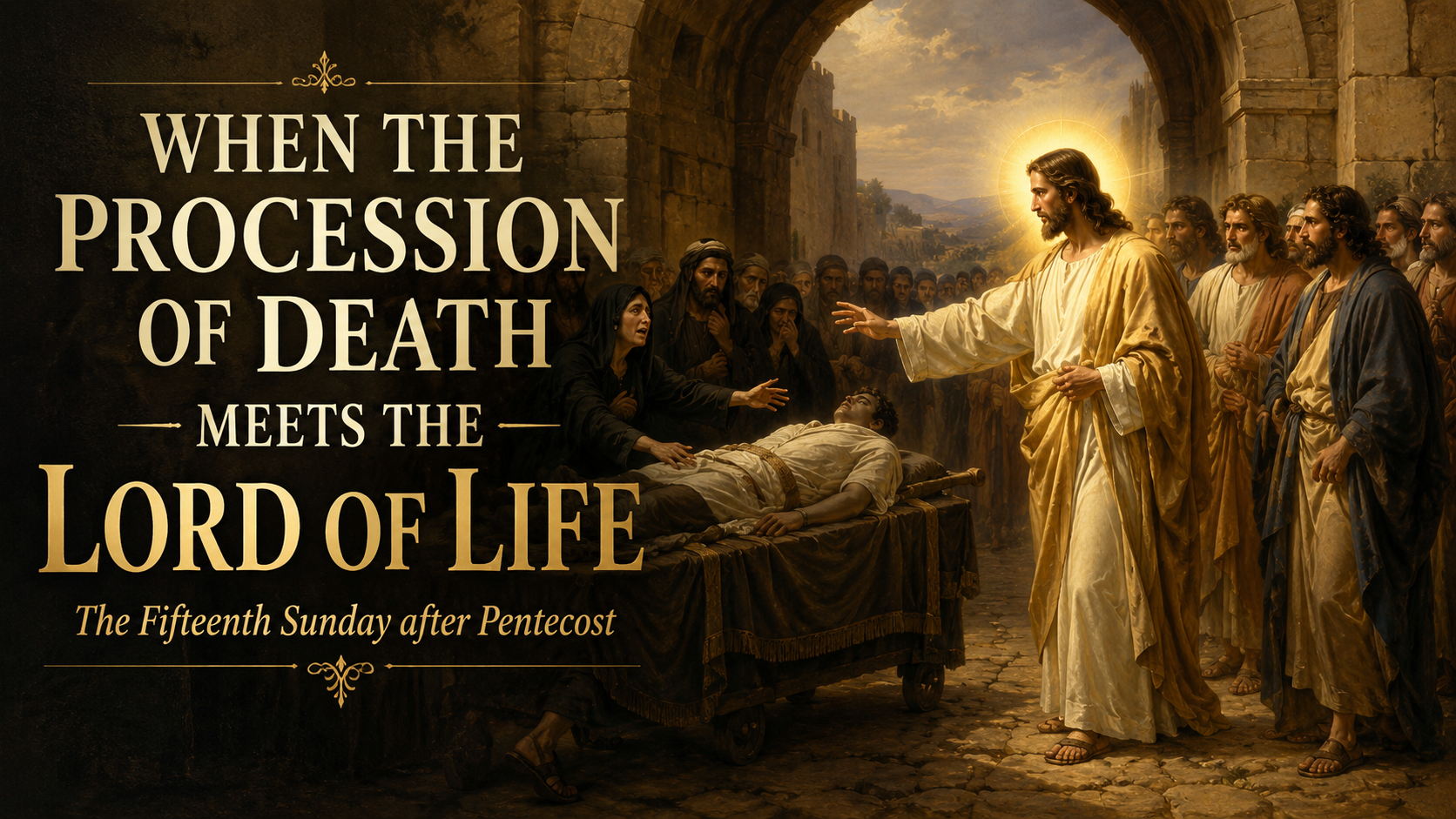
  • The Fifteenth Sunday after Pentecost: When the Procession of Death Meets the Lord of Life
    The Fifteenth Sunday after Pentecost focuses on the transformative power of Christ, emphasising the supernatural life granted through grace. The liturgy highlights the Church’s role as a nurturing mother, mourning the spiritually dead while seeking their restoration. Christ’s compassion leads to resurrection, demonstrating that true life is found in dependence on Him.
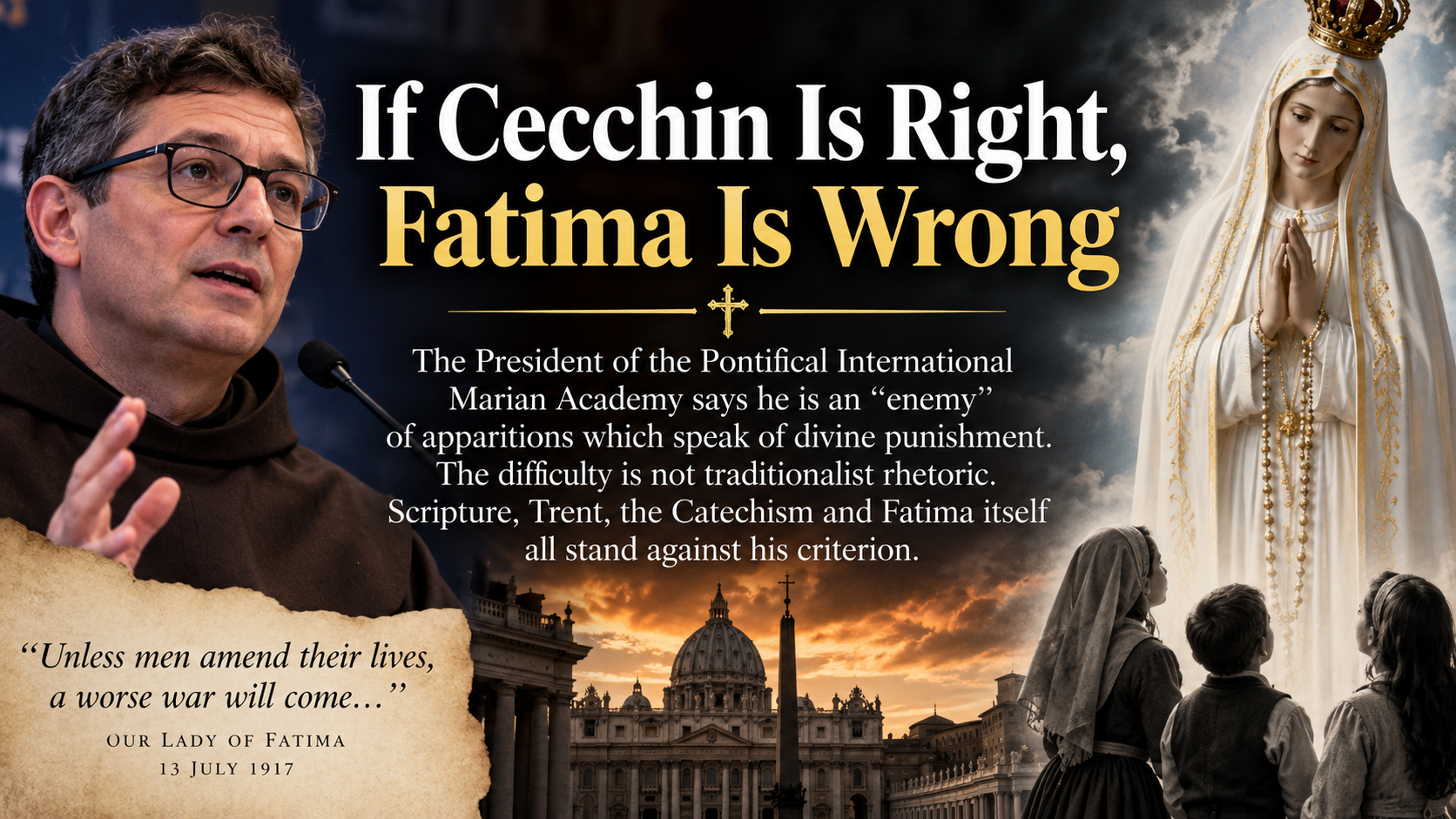
  • If Cecchin Is Right, Fatima Is Wrong
    Fr Stefano Cecchin, President of the Pontifical International Marian Academy, has declared opposition to apparitions that speak of divine punishment, suggesting they are false. This stance contradicts fundamental Catholic doctrine, including teachings from Scripture, the Catechism, and specifically the Message of Fatima, which warns of divine consequences for sin.
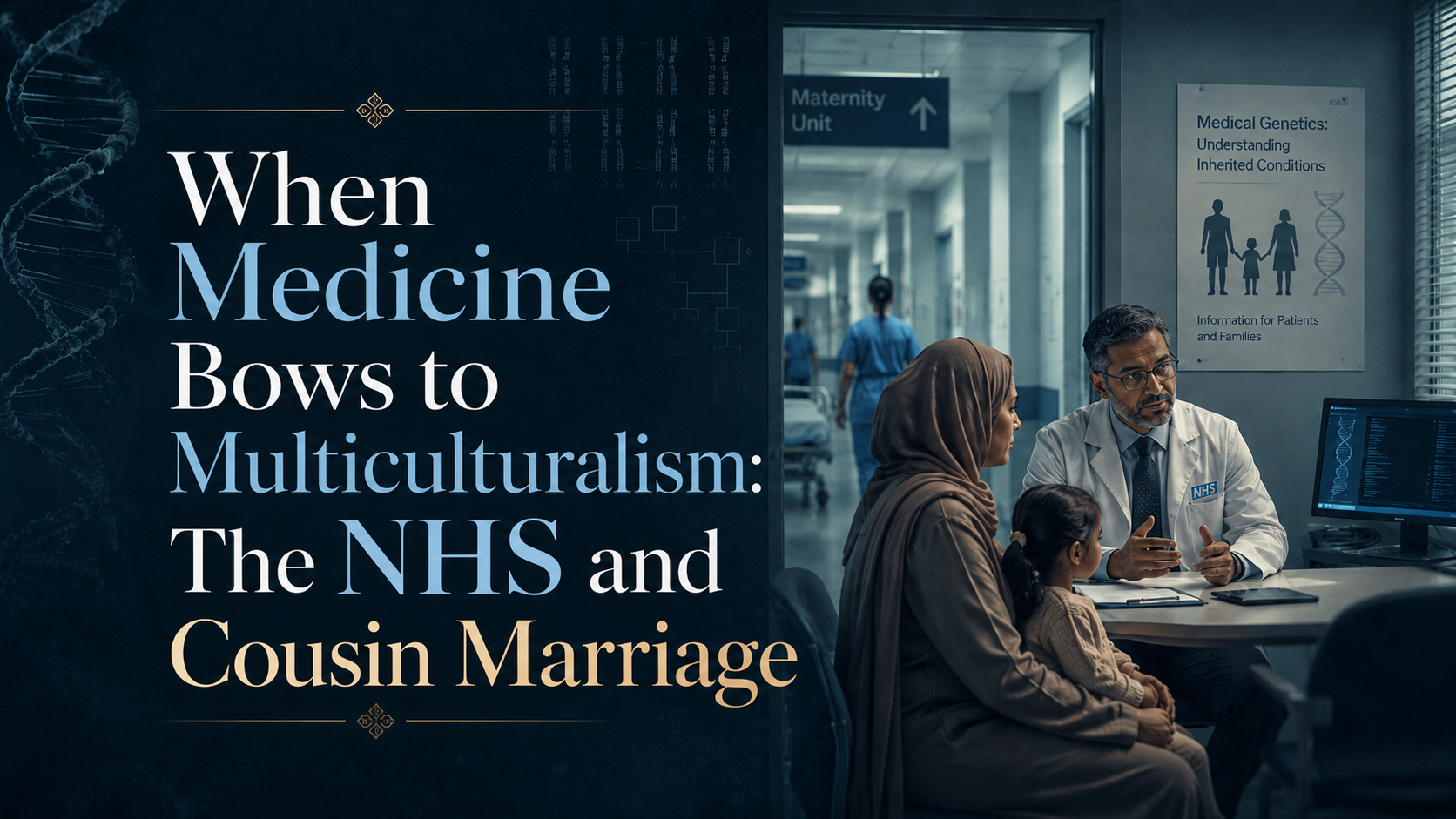
  • When Medicine Bows to Multiculturalism: The NHS and Cousin Marriage
    The NHS faced controversy over training that minimised the risks of cousin marriage, claiming associated health threats were exaggerated. Despite current materials recognising genetic risks, the government acknowledged previous educational content was inappropriate. This highlights concerns over prioritising cultural sensitivity over clear medical truths, potentially undermining public trust in healthcare.

LITURGY


Trending