
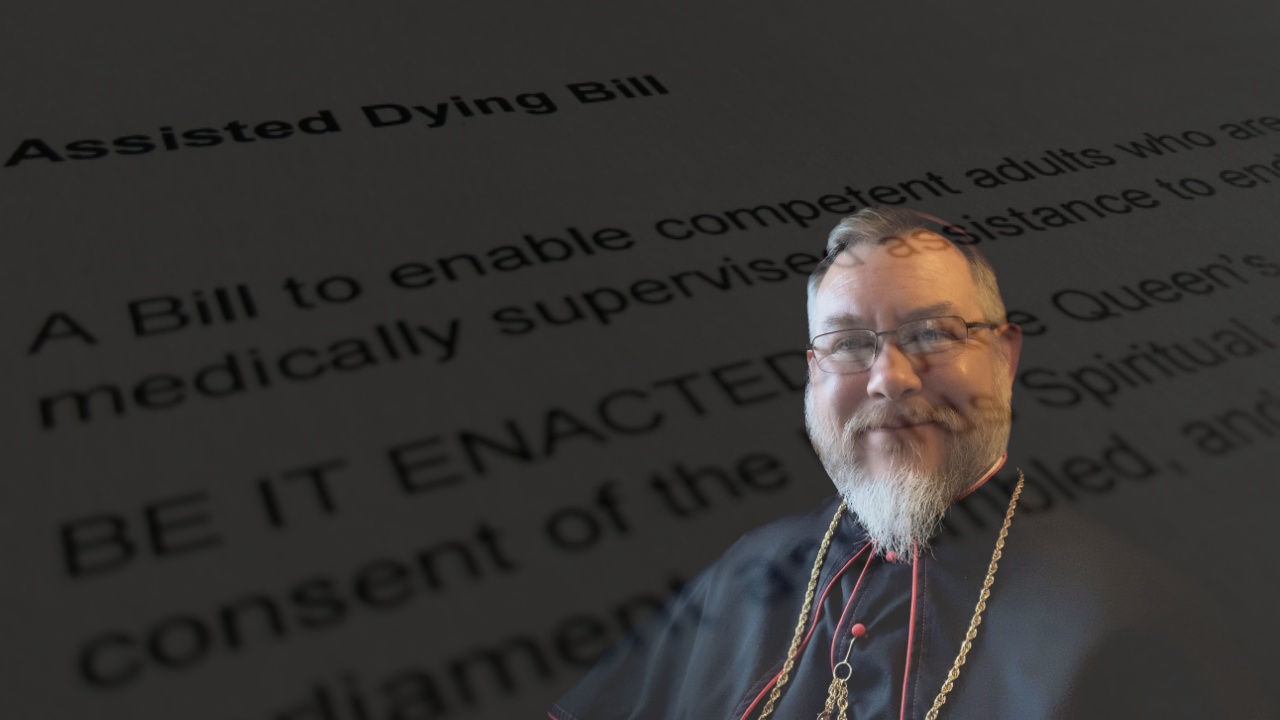
In a heartfelt appeal to Sussex Members of Parliament, the Most Reverend Dr. Jerome Lloyd, Titular Archbishop of Selsey, has urged them to oppose the contentious Assisted Dying Bill currently under consideration in Parliament. Representing a significant voice of faith and moral concern, the Archbishop’s intervention highlights the profound ethical, societal, and legal implications of the proposed legislation.
A Matter of Conscience
Acknowledging that the Assisted Dying Bill is being treated as a conscience vote—where MPs are free to make individual decisions rather than adhere to party lines—the Archbishop expressed his appreciation for the seriousness with which this issue is being approached. He described this approach as “a mark of the importance and sensitivity of this matter,” underscoring the weight of responsibility carried by MPs as they deliberate on the Bill.
Grave Concerns About the Bill
In his detailed letter, attached to an email sent to all Sussex MPs, Archbishop Lloyd outlined his deep concerns about the potential consequences of the Assisted Dying Bill. He warned that the legislation risks undermining the sanctity of life, exposing vulnerable individuals to coercion, and eroding the ethical principles of the medical profession. He also pointed to evidence from other countries where similar laws have been enacted, emphasizing the reality of a “slippery slope” in the broadening of eligibility criteria.
“True compassion does not hasten death; it accompanies individuals through their suffering, offering relief, comfort, and the assurance that they are not alone,” he wrote. His letter passionately advocates for improved palliative care and a commitment to supporting those facing end-of-life challenges, rather than resorting to measures that he believes could devalue human life.
Learning from International Examples
Drawing on experiences from countries like Canada, Belgium, and the Netherlands, Archbishop Lloyd highlighted how assisted dying laws have expanded over time to include non-terminal conditions, mental health issues, and even minors. He described these developments as cautionary tales that the UK must heed to avoid similar ethical and societal pitfalls.
“Once the principle of ending life is accepted,” he argued, “societal pressures and systemic biases inevitably push those boundaries outward. The slippery slope is not a theoretical risk—it is a documented and ongoing reality.”
A Call to Action
The Archbishop’s correspondence not only outlines the potential dangers of the Assisted Dying Bill but also appeals directly to MPs’ sense of responsibility. “As stewards of the public good and guardians of societal values, I urge you to oppose this Bill unequivocally,” he wrote, calling on MPs to advocate for enhanced palliative care and support systems instead.
Engagement with Local MPs
The letter was sent to all Sussex MPs, including Siân Berry (Brighton Pavilion), Chris Ward (Brighton Kemptown), Peter Kyle (Hove), and other representatives across East and West Sussex. The Archbishop invited MPs to engage further, offering to discuss his concerns and provide additional information to aid their deliberations.
A Broader Ethical Debate
Dr. Lloyd’s intervention adds to a growing chorus of voices raising ethical and practical objections to the Assisted Dying Bill. His appeal reflects a broader debate within society about the role of legislation in end-of-life care and the potential consequences of allowing physician-assisted suicide.
As Parliament prepares for further debate on the Bill, Archbishop Lloyd’s letter serves as a timely reminder of the moral complexities at stake and the need for careful, compassionate consideration of the implications for individuals, families, and society as a whole.





Leave a Reply