

Ninth Day of Christmas — Nine Ladies Dancing
Long dismissed as a nursery rhyme, The Twelve Days of Christmas belongs to the English recusant world: a culture of memory, symbol, and whispered catechesis formed under persecution. Read catechetically, the carol unfolds as a compressed rule of faith—Christological, Trinitarian, moral, and ecclesial—fully consonant with the Catechism of the Council of Trent, the Baltimore Catechism, Sacred Scripture, patristic consensus, and the Church’s liturgical year.
The Angelic Orders: The Cosmic Liturgy of Heaven and Earth
By the ninth day, the carol lifts the gaze of the soul beyond the visible Church and beyond even the sacramental life that sustains her, toward the unseen yet ever-present reality of the angelic hosts. The “nine ladies dancing” signify the nine choirs of angels—those pure spirits created by God to adore Him, to serve His providence, and to minister within the economy of salvation.
This ascent is deliberate. Christmas is not only a human event, nor even an ecclesial one. It is cosmic. Heaven itself is stirred by the Incarnation. The birth of Christ is announced not by philosophers or kings, but by angels; and it is angels who fill the night sky with praise. The carol therefore teaches that to understand Christmas rightly, one must recover a sense of the invisible order that surrounds, sustains, and participates in the drama of redemption.
The Church’s teaching on the angels is sober, restrained, and firmly rooted in Scripture. Angels are not symbols of ideas or projections of emotion; they are personal, intellectual creatures, created by God and ordered toward His glory. The Catechism of the Council of Trent, in expounding the first article of the Creed, affirms that God is the Creator not only of the visible world, but also of the invisible—that is, of the angelic spirits. Creation, therefore, is already more than what the eye can see.
The traditional articulation of nine angelic choirs comes to the Church through the synthesis of Scripture and patristic reflection, most notably articulated by Pseudo-Dionysius in The Celestial Hierarchy. Drawing upon passages from St Paul and the prophets, he describes an ordered angelic realm—Seraphim, Cherubim, Thrones; Dominations, Virtues, Powers; Principalities, Archangels, Angels—each choir participating in the divine governance according to its place.¹ This order is not a hierarchy of privilege, but of service. Each choir reflects divine light according to its capacity and passes it on.
The image of “dancing” is particularly fitting, though it must be understood theologically rather than sentimentally. The Fathers frequently employed musical and choreographic metaphors to describe the harmony of heaven. The angels do not act in isolation or competition; they move in ordered praise around the divine centre. Their “dance” is obedience perfected, freedom fully aligned with truth. Heaven is not static repose, but living worship.
Christmas reveals this heavenly order not as distant, but as suddenly near. At the Nativity, the boundary between heaven and earth is thinned. The angels do not merely observe; they announce, they sing, they glorify. “Glory to God in the highest, and on earth peace to men of good will.” The song of the angels situates the Incarnation within a cosmic liturgy already in progress. Christ’s birth is not the beginning of worship; it is its focal point.
For recusant Catholics, angelic doctrine served as a quiet corrective to an increasingly flattened vision of reality. Post-Reformation religion, especially in its more austere forms, often minimised or dismissed the angelic realm as speculative excess. At the same time, emerging secularism reduced the universe to what could be measured and controlled. The carol resists both reductions. It insists that the world is more populated than it appears, and that worship is not a human invention but a participation in a heavenly reality.
This conviction sustained persecuted Catholics in isolation. When churches were closed and public worship forbidden, the knowledge that heaven itself remained ordered in praise offered consolation and courage. The Mass might be hidden, but it was never solitary. Angels were present. Heaven had not withdrawn.
Meditatively, the ninth day calls the Christian to humility and attentiveness. We are not the sole actors in the drama of salvation. We are surrounded by intelligences that adore more perfectly, serve more readily, and rejoice more fully in the will of God. Their example challenges modern assumptions about autonomy and self-sufficiency. True freedom, the angels teach, is found not in self-assertion but in ordered love.
The nine ladies dancing therefore proclaim that Christmas is a cosmic event. The Child born in Bethlehem is recognised immediately by heaven. The angels know their King. Their ordered joy stands as an invitation to the Church on earth to recover a sense of reverence, awe, and participation in a worship far greater than herself.
Heaven dances because God has entered His creation. And earth is invited—quietly, reverently—to join the dance.
Pseudo-Dionysius the Areopagite, The Celestial Hierarchy, chs. 6–9; Ephesians 1:21; Colossians 1:16; Luke 2:13–14.
Related Articles


Latest Articles
- 06.09.26 Nuntiatoria CXXII: NOMEN MANET, RES DEESTThis edition of Nuntiatoria explores the disconnect between the names of Catholic institutions and the realities they signify. Despite retaining their titles, many aspects of Catholicism—such as episcopal authority in China and religious practice in Poland—exhibit deteriorating substance. The piece cautions against superficial continuity, stressing the importance of genuine faith and practice over mere nomenclature.
- ORDO w/c 06.09.26The document outlines the liturgical schedule for the week of 6 to 13 September 2026, highlighting significant religious observances such as the Fifteenth Sunday after Pentecost and the Nativity of the Blessed Virgin Mary. It reflects on themes of compassion, holiness, fidelity, and humility, underscoring their importance in Christian life.
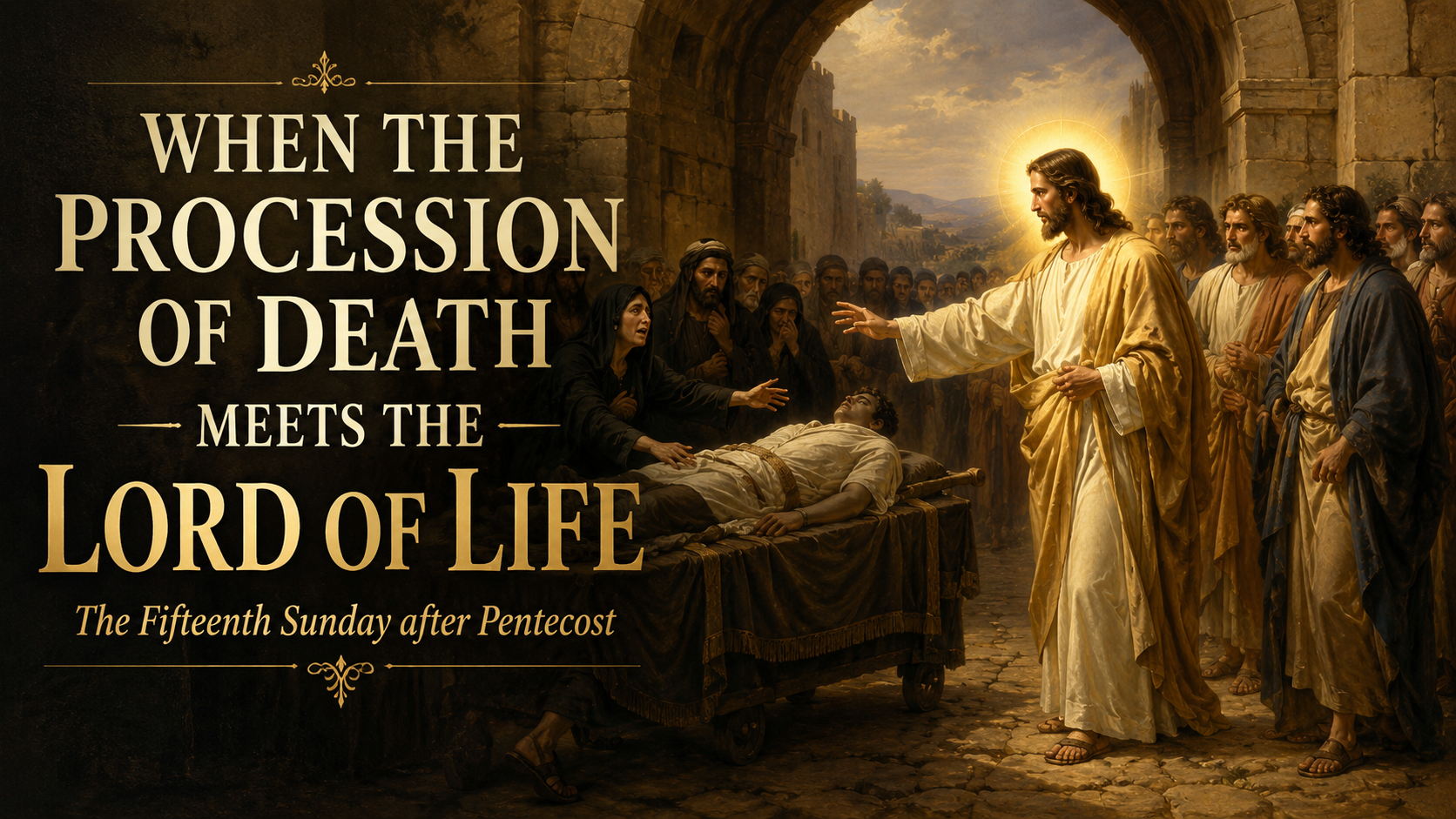
- The Fifteenth Sunday after Pentecost: When the Procession of Death Meets the Lord of LifeThe Fifteenth Sunday after Pentecost focuses on the transformative power of Christ, emphasising the supernatural life granted through grace. The liturgy highlights the Church’s role as a nurturing mother, mourning the spiritually dead while seeking their restoration. Christ’s compassion leads to resurrection, demonstrating that true life is found in dependence on Him.
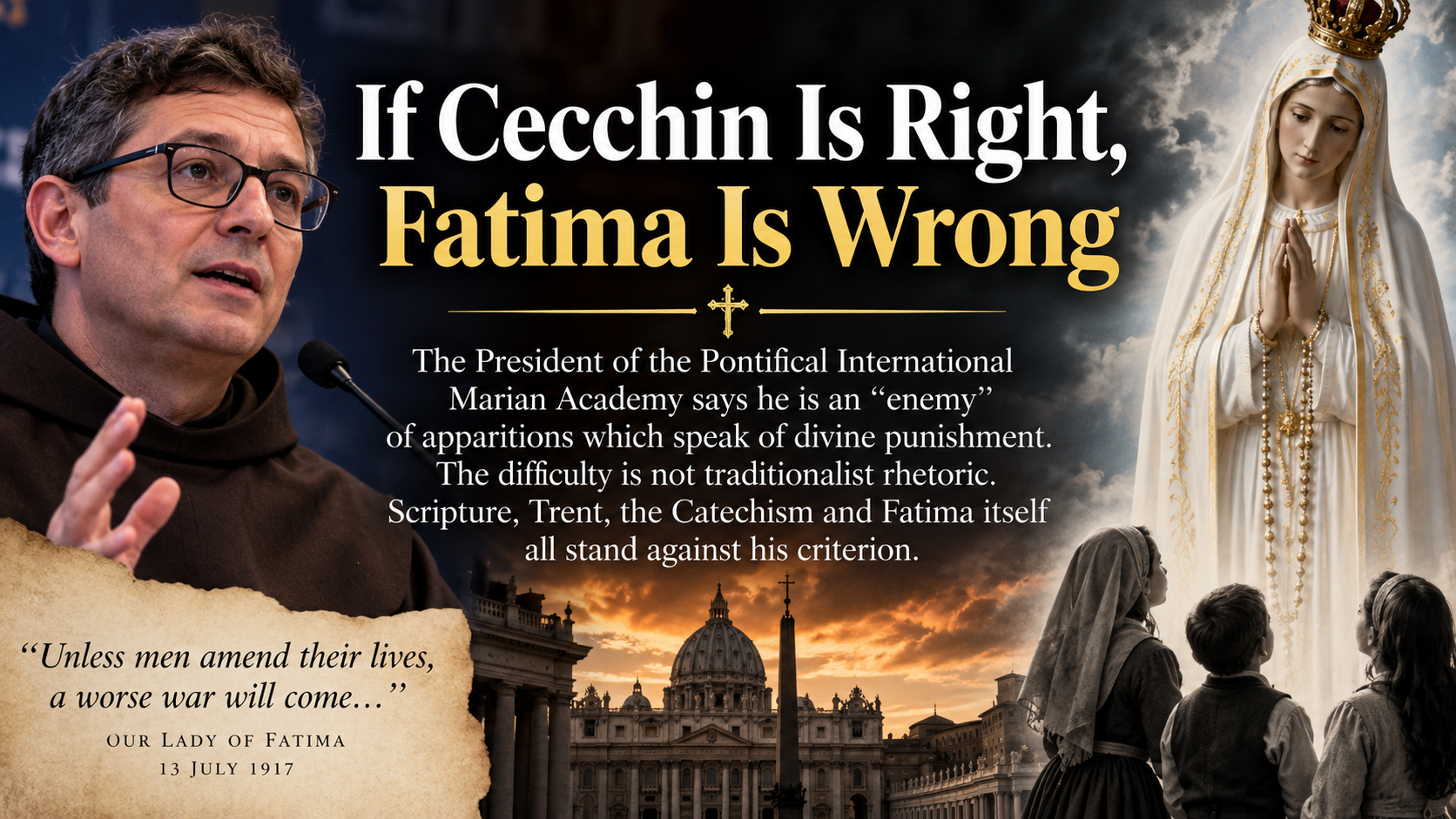
- If Cecchin Is Right, Fatima Is WrongFr Stefano Cecchin, President of the Pontifical International Marian Academy, has declared opposition to apparitions that speak of divine punishment, suggesting they are false. This stance contradicts fundamental Catholic doctrine, including teachings from Scripture, the Catechism, and specifically the Message of Fatima, which warns of divine consequences for sin.
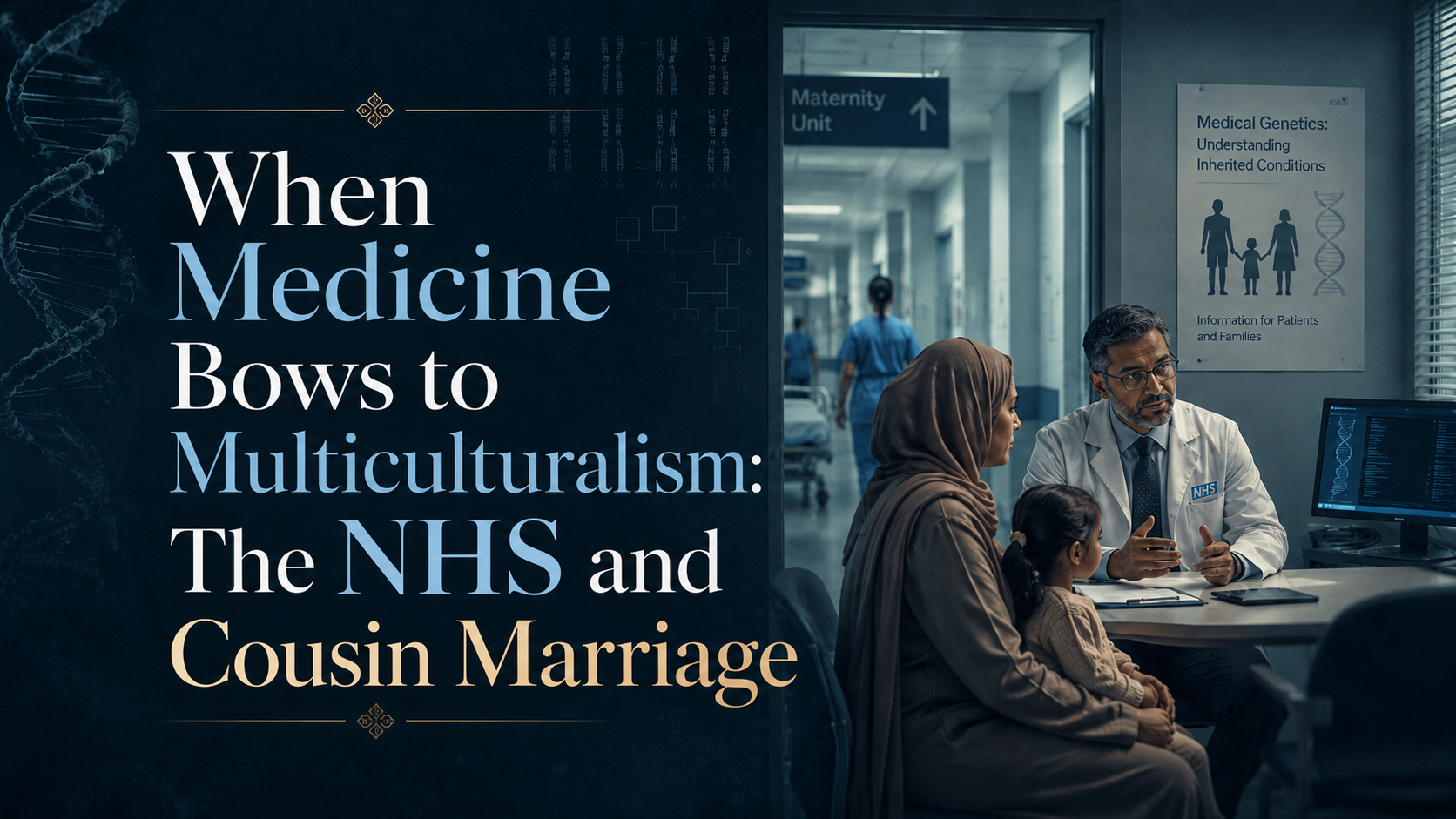
- When Medicine Bows to Multiculturalism: The NHS and Cousin MarriageThe NHS faced controversy over training that minimised the risks of cousin marriage, claiming associated health threats were exaggerated. Despite current materials recognising genetic risks, the government acknowledged previous educational content was inappropriate. This highlights concerns over prioritising cultural sensitivity over clear medical truths, potentially undermining public trust in healthcare.


Leave a Reply