

TABULA HEBDOMADIS
| Dies | Dom. XXV X | Fer. II XXVI X | Fer. III XXVII X | Fer. IV XXVIII X | Fer. V XXIX X | Fer. VI XXX X | Sabb. XXXI X | Dom. I XI |
| Officium | D. N. Iesu Christi Regis; Dom. XXII post Pent. | S. Evaristi Papæ et Mart. | Vigilia Ss. Simonis et Iudæ App. | Ss. Simonis et Iudæ App. | De feria | De feria | Vigilia Omnium Sanctorum | Omnium Sanctorum; Dom. XXIII post Pent. |
| Classis | Dupl. I cl. | Simplex | Vig. simplex | Dupl. II cl. | Feria | Feria | Vig. simplex | Dupl. I cl. cum Oct. |
| Color | Albus | Ruber | Violaceus | Ruber | Viridis | Viridis | Violaceus | Albus |
| Missa | Dignus est Agnus | Statuit ei | De Vigilia App. | Mihi autem | Si iniquitates | Si iniquitates | De Vigilia Omn. Sanct. | Gaudeamus omnes |
| Orationes | Com. Dom. XXII | Oratt. diei et addit. | Oratt. vigiliæ et addit. | Oratio unica | Oratt. feriales | Oratt. feriales | Oratt. vigiliæ et addit. | Com. Dom. XXIII |
| Notæ | Gl.; Cr.; Præf. propria; Ult. Ev. Dom. | Gl.; sine Cr.; III lect. Mat. | Sine Gl. et Cr.; Preces fer. | Gl.; Cr.; Præf. App.; IX lect. | Sine Gl. et Cr.; Psalt. ant. | Sine Gl. et Cr.; Abst. | Sine Gl. et Cr.; Preces fer. | Gl.; Cr.; Præf. comm.; Ult. Ev. Dom. |
| Vesperæ | II de Festo, com. Dom. | De feria | I de Ss. App. | II de Ss. App. | De feria | De feria | I de Omn. Sanct., com. Dom. | II de Omn. Sanct., com. Dom. |
Abbreviationes: App. = Apostolorum; Com. = Commemoratio; Dom. = Dominica; Dupl. = Duplex; Gl. = Gloria; Cr. = Credo; Mat. = Matutinum; Oct. = Octava; Pent. = Pentecosten; Præf. = Præfatio; Psalt. ant. = Psalterium antiquum; Ult. Ev. = Ultimum Evangelium; Vig. = Vigilia.
DAILY LITURGICAL COMMENTARY
Sunday 25 October — Our Lord Jesus Christ the King
Dominica XXII post Pentecosten — In Festo Domini Nostri Iesu Christi Regis
Double of the First Class — White
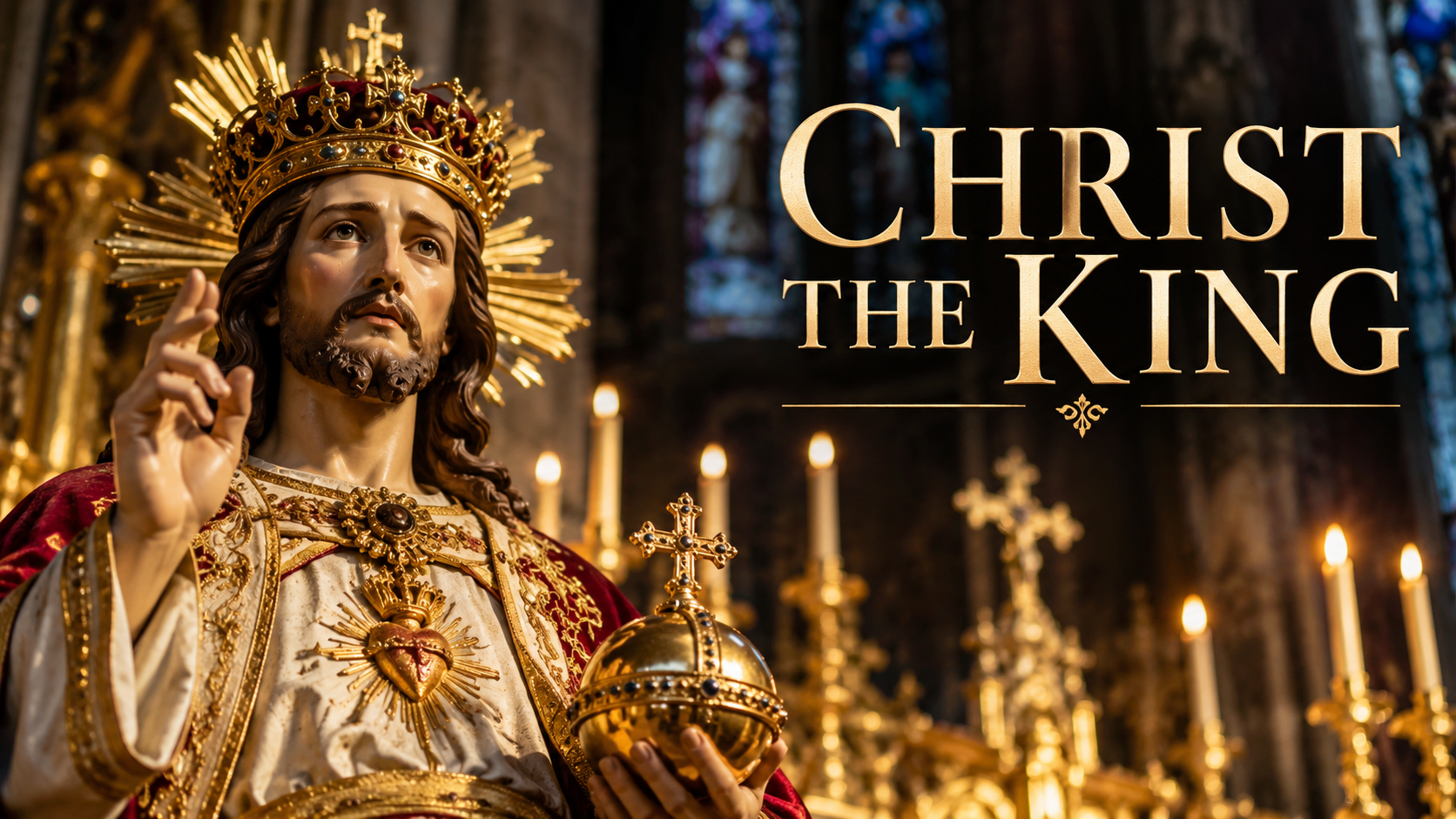
The final Sunday of October is devoted to the universal kingship of Our Lord Jesus Christ. The Mass Dignus est Agnus proclaims the glory and dominion of the Lamb who was slain. The Epistle, Colossians 1:12–20, presents Christ as the image of the invisible God, by whom and for whom all things were created. The Gospel, John 18:33–37, recounts His declaration before Pontius Pilate that His kingdom is not of this world: it derives neither its authority nor its character from earthly power, yet claims the obedience of all mankind.
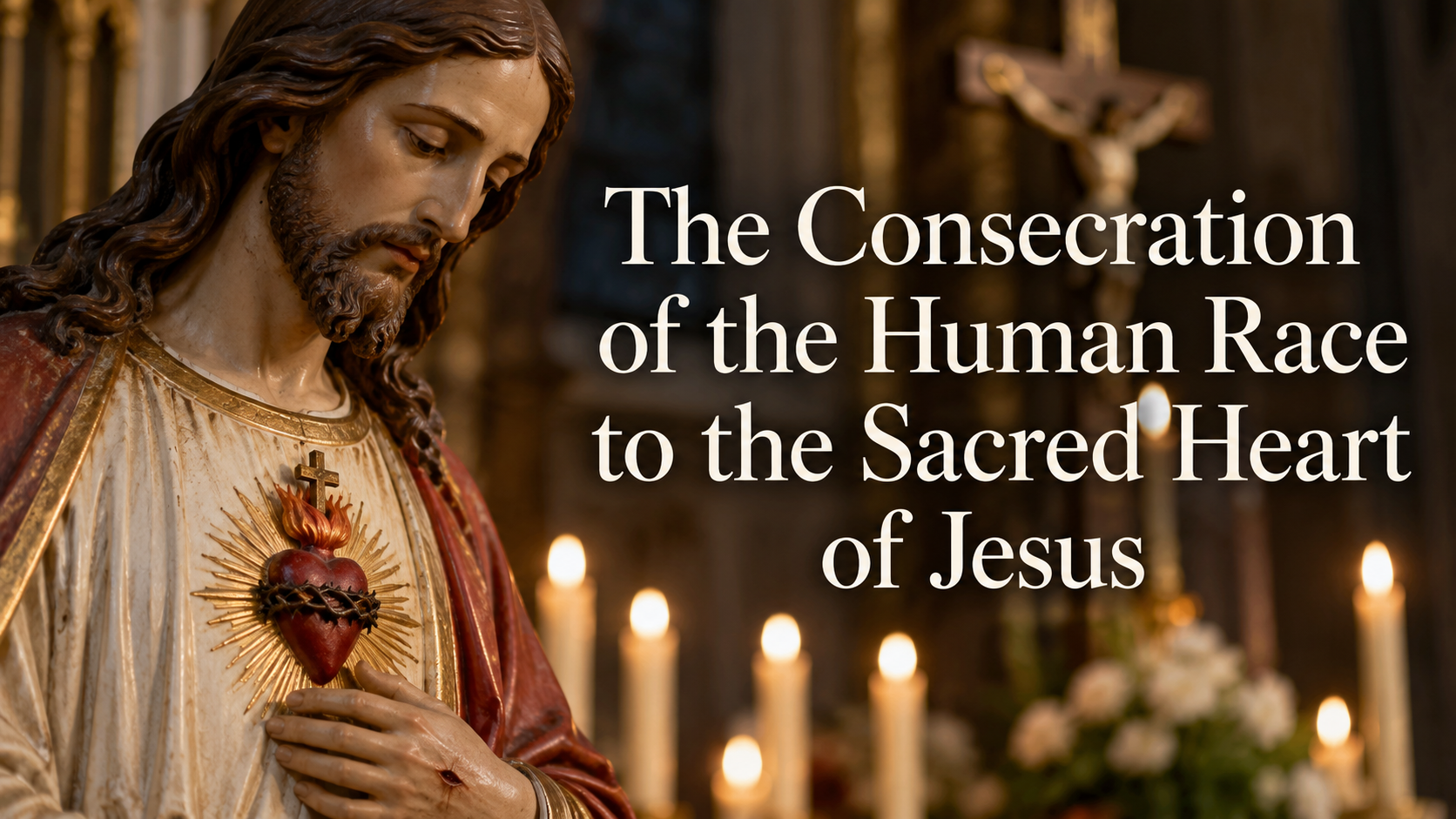
The Gloria, Creed and proper Preface of Christ the King are prescribed. The Twenty-second Sunday after Pentecost is commemorated by its Collect, Secret and Postcommunion. The Sunday Gospel, Matthew 22:15–21, concerning the tribute to Cæsar, is read as the Last Gospel. The festal Office includes three nocturns at Matins, the proper lessons, antiphons and hymns, and the prescribed Sunday commemoration. Second Vespers are of Christ the King, with commemoration of the Sunday. The Consecration of the Human Race to the Sacred Heart of Jesus is renewed in accordance with the observance appointed by Pius XI.
Monday 26 October — St Evaristus, Pope and Martyr
Sancti Evaristi Papæ et Martyris
Simple — Red
St Evaristus is honoured among the earliest successors of St Peter in the Roman See. Although the historical details of his pontificate and martyrdom are uncertain, the traditional calendar preserves his commemoration as Pope and Martyr. His feast is of simple rite, with the corresponding three lessons at Matins and the appropriate ferial psalmody.
The Mass Statuit ei is taken from the Common of a Pope and Martyr, with the proper prayer of St Evaristus. The Gloria is said and the Creed omitted. The customary additional collects are observed according to the older rubrics. The Office of the simple feast concludes at None; Vespers are of the feria, following the ancient Roman Psalter.
Tuesday 27 October — Vigil of Saints Simon and Jude, Apostles
Vigilia Sanctorum Simonis et Iudæ Apostolorum
Simple Vigil — Violet
The vigil prepares the Church for the celebration of two of the Twelve Apostles. Its penitential character is expressed through violet vestments, the omission of the Gloria and Creed, the ferial preces and the proper Mass and lessons. This is a true liturgical vigil, not merely an anticipated evening celebration of the following day’s feast.
The Mass is that appointed for the Vigil of Saints Simon and Jude, with the corresponding Gospel and orations. The additional prayers follow the older rubrical prescriptions, and Benedicamus Domino is used in place of Ite, missa est. The Office retains the appropriate ferial psalmody and penitential features. First Vespers of Saints Simon and Jude are celebrated in the evening, beginning the apostolic feast.
Wednesday 28 October — Saints Simon and Jude, Apostles
Sanctorum Simonis et Iudæ Apostolorum
Double of the Second Class — Red
Saints Simon and Jude are honoured together as Apostles personally chosen by Our Lord. The Mass Mihi autem proclaims the dignity of those whom God has made His friends. The Epistle, Ephesians 4:7–13, describes the apostolic ministry as a gift of Christ for the building up of His Mystical Body. The Gospel, John 15:17–25, unites the commandment of charity with Our Lord’s warning that those who belong to Him will encounter the hatred of the world.
The Gloria and Creed are said, together with the Preface of the Apostles. The Office is festal, with nine lessons at Matins, the appointed psalmody and the proper texts from the Common and Proper of Apostles. Second Vespers are celebrated in the evening. The feast particularly recalls the permanent apostolic character of the Church: her doctrine, sacramental life and pastoral authority are not established by successive generations according to their preferences, but received from Christ through His Apostles.
Thursday 29 October — Feria after the Twenty-second Sunday after Pentecost
Feria Quinta post Dominicam XXII post Pentecosten
Feria — Green
The weekday Mass may be that of the Twenty-second Sunday after Pentecost, Si iniquitates, without Gloria or Creed, using the appropriate ferial provisions for additional collects. Its Epistle, Philippians 1:6–11, expresses St Paul’s confidence that God will perfect the good work begun in His faithful. The Gospel, Matthew 22:15–21, records Our Lord’s answer concerning the tribute to Cæsar, distinguishing the proper claims of civil authority from the sovereign claims of God.
The Divine Office follows the Thursday distribution of the ancient Roman Psalter, including the pre-Divino Afflatu arrangement of Matins, Lauds and the lesser Hours. The appropriate ferial suffrages and preces are observed. Vespers are of the feria.
Friday 30 October — Feria after the Twenty-second Sunday after Pentecost
Feria Sexta post Dominicam XXII post Pentecosten
Feria — Green
The Mass may again be taken from the Twenty-second Sunday after Pentecost, Si iniquitates, with the customary ferial modifications and additional prayers. The opening words of the Introit, from Psalm 129, confess that no man could stand before God were He to mark every iniquity. The corresponding Collect petitions divine mercy and asks that the prayers of the Church may obtain the gifts which she faithfully seeks.
The Office follows the ancient Friday psalmody, with the appointed ferial preces and suffrages. Friday abstinence is observed according to the applicable discipline. The day’s penitential character offers a fitting preparation for the vigil of All Saints, directing attention from earthly attachments towards the life of grace and the hope of eternal beatitude. Vespers are of the feria.
Saturday 31 October — Vigil of All Saints
Vigilia Omnium Sanctorum
Simple Vigil — Violet
The Vigil of All Saints prepares the faithful for the solemn celebration of the Church Triumphant. The Mass is proper to the vigil, celebrated in violet vestments and without Gloria or Creed. Its penitential character distinguishes it from the festal celebration which begins at First Vespers. The older rubrics concerning the additional collects and the conclusion of Mass are observed.
The Divine Office retains the ferial psalmody and the penitential provisions appropriate to the vigil. The traditional Lauds arrangement, including the appropriate preces, is followed. Historically associated with fasting and abstinence, the vigil remains a day of preparation even where the former disciplinary obligations are no longer legally binding. The occurrence of All Saints on a Sunday must be taken into account when applying historical English fasting regulations.
In the evening First Vespers of All Saints are celebrated in white, with the prescribed commemoration of the Twenty-third Sunday after Pentecost.
Sunday 1 November — All Saints
In Festo Omnium Sanctorum — Dominica XXIII post Pentecosten
Double of the First Class with Octave — White
All Saints celebrates the glory of the Church Triumphant, embracing not only those whose names are recorded in the Church’s public canon of saints but the whole multitude of the blessed who enjoy the Beatific Vision. The feast possesses an octave, continuing the liturgical celebration through 8 November. The Twenty-third Sunday after Pentecost is commemorated, while the principal Office and Mass remain those of All Saints.
The Mass Gaudeamus omnes calls the faithful to rejoice in the Lord. The Epistle, Apocalypse 7:2–12, presents the innumerable multitude clothed in white robes before the throne and the Lamb. The Gospel, Matthew 5:1–12, proclaims the Beatitudes, revealing the dispositions of those who inherit the kingdom of heaven. The Gloria and Creed are said, with the Common Preface. The Collect, Secret and Postcommunion of the Twenty-third Sunday after Pentecost are added in commemoration, and its Gospel, Matthew 9:18–26, is read as the Last Gospel.
The Divine Office is festal, with three nocturns and nine lessons at Matins, the proper antiphons and hymns, and the prescribed commemoration of the Sunday. Second Vespers are of All Saints, with the Sunday commemoration. On the following day the Church celebrates the Commemoration of All the Faithful Departed, turning from the glory of the saints in heaven to intercession for the souls undergoing purification.


Leave a Reply