

VEni eMMANUEL — o COME EMMANUEL

To the clergy and faithful of the Old Roman Apostolate,
and to all who seek the truth of Christ,
grace and peace in Our Lord Jesus Christ.
Carissimi, Beloved in Christ,
As Advent deepens and the Church again takes up the ancient supplication Veni Emmanuel, this edition of Nuntiatoria stands deliberately within that cry. It is a prayer shaped not by abstraction but by circumstance—by ecclesial uncertainty, cultural disintegration, and the growing sense that many of the structures meant to safeguard truth, worship, and the common good have lost both nerve and direction.
The articles gathered here are not disparate interventions but parts of a single examination of conscience. A substantial portion of this edition addresses episcopal governance and clerical culture: appointments, public controversies, patterns of silence, and the quiet but consequential reshaping of sacramental life. These pieces do not dwell on personalities for their own sake. Rather, they ask what vision of the priesthood and episcopate is now being enacted in practice—and whether authority has been reduced to management, and fatherhood to function.¹
Alongside this ecclesial focus runs a sustained engagement with the public square. Several articles examine policing, education, legislation, and free expression, tracing a consistent trajectory: institutions once tasked with protecting pluralism now increasingly arbitrate moral orthodoxy. Language is refined, definitions expanded, and dissent quietly reclassified as harm. The effect is not neutrality, but a narrowing of permissible belief—felt most acutely by those whose convictions are rooted in religious truth rather than ideological fashion.²
This edition also returns repeatedly to a theme modern discourse struggles to name: the growing invisibility of Christian marginalisation. Whether through hostility that goes unacknowledged, or through narratives that minimise or reframe religious suffering, the result is the same. Faith is tolerated only insofar as it remains silent, private, and politically convenient. Several contributions insist, soberly and without melodrama, that such patterns must be named if they are to be resisted.³
At the heart of the edition, however, lies the question of worship. Multiple articles attend carefully to posture, reverence, and the interior logic of the liturgy—not as matters of taste, but as matters of formation. The way the Church worships shapes the way she believes, and the way she believes shapes the way she endures. Advent teaches restraint, silence, and expectation. It reminds the Church that salvation is not produced by innovation or consensus, but received through fidelity.⁴
Finally, this edition situates these ecclesial and civic crises within a wider cultural vacuum. As Christianity recedes from public life, ritual and meaning do not disappear; they are displaced. Several pieces examine the resurgence of substitute spiritualities and ritual forms, not as signs of renewal, but as symptoms of a civilisation that has forgotten the source of truth while still longing for transcendence.⁵
Taken together, these articles resist both despair and false reassurance. They do not offer a programme for institutional recovery, nor do they indulge in nostalgia. Instead, they return the reader, insistently, to first principles: truth before accommodation, worship before strategy, conversion before reform. Veni Emmanuel is thus not merely the motto of this edition; it is its argument. When human authority falters, when law becomes confused, when the Church herself appears uncertain of her inheritance, the answer is not reinvention but return.
May this edition steady those who feel disoriented, fortify those who labour quietly for fidelity, and remind all who read it that Advent hope is not optimism. It is confidence rooted in promise. Emmanuel comes—not because the world is ready, but because God is faithful.
Veni Emmanuel. Veni, Domine Iesu.
Haec est Via.

✠ Jerome Seleisi
Titular Archbishop of Selsey
Primus of the Old Roman Apostolate
Footnotes
¹ Episcopal Appointments and the Crisis of Fatherhood; The Orphaned Altar: Authority, Silence, and the Modern Episcopate; Clerical Culture After Vatican II: From Sacrament to Function; Holiness of Priests and the Consequences for the Faithful.
² Policing, Ideology, and the Problem of Moral Neutrality; Redefining Harm: Speech, Belief, and the New Orthodoxy; Education, Conscience, and the Narrowing of Permissible Thought; When Law Ceases to Be a Shield: Faith Under Administrative Pressure.
³ Christians as the Invisible Victims; Naming What Is Refused to Be Named; Selective Language and the Disappearance of Religious Suffering; Toleration Without Protection: The New Settlement.
⁴ The Forgotten Disposition: Posture, Reverence, and Communion; Why the Traditional Posture for Communion Matters; The Loss of Sacramental Culture and Its Human Cost; Advent Restraint and the Formation of Christian Expectation.
⁵ Paganism, Ritual, and the Vacuum Left by Christianity; The Return of Ritual Without Truth; Post-Christian Britain and the Search for Meaning.
THIs WEEK’s EDITION


Latest
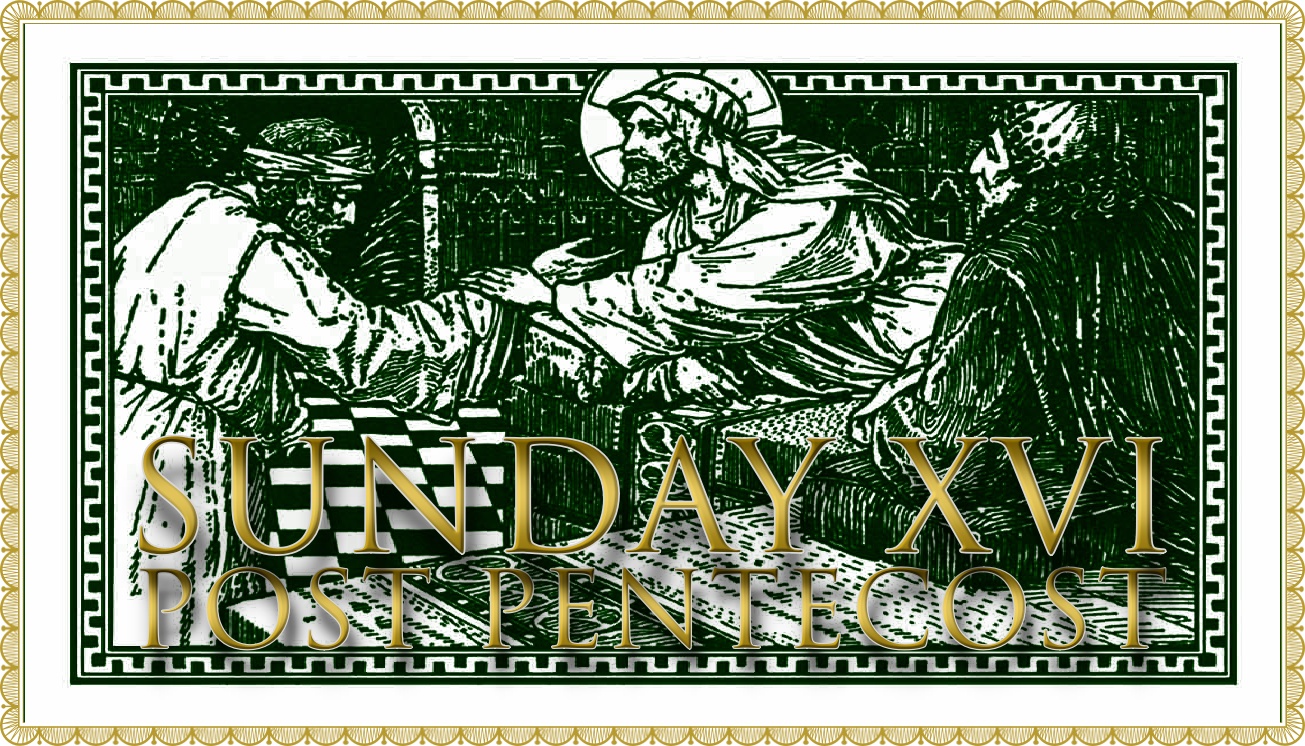
- Today’s Mass: September 13 Sunday XVI Post PentecostThe Sixteenth Sunday After Pentecost celebrates the importance of humility and the grace of God, emphasised in the Gospel through Jesus’ healing and teachings. As believers are called to seek God’s mercy, the commemoration of the Blessed Virgin Mary’s Nativity highlights the beginning of salvation and the pursuit of good works through divine grace.
- Sermon for Sixteenth Sunday after PentecostIn the epistle to the Ephesians, St. Paul encourages believers to remain steadfast amid trials, highlighting the significance of humility and unity in Christ. He contrasts worldly values of pride with the Kingdom’s values, emphasising that true fulfilment comes from reliance on God’s grace and prioritising love for God and neighbour.
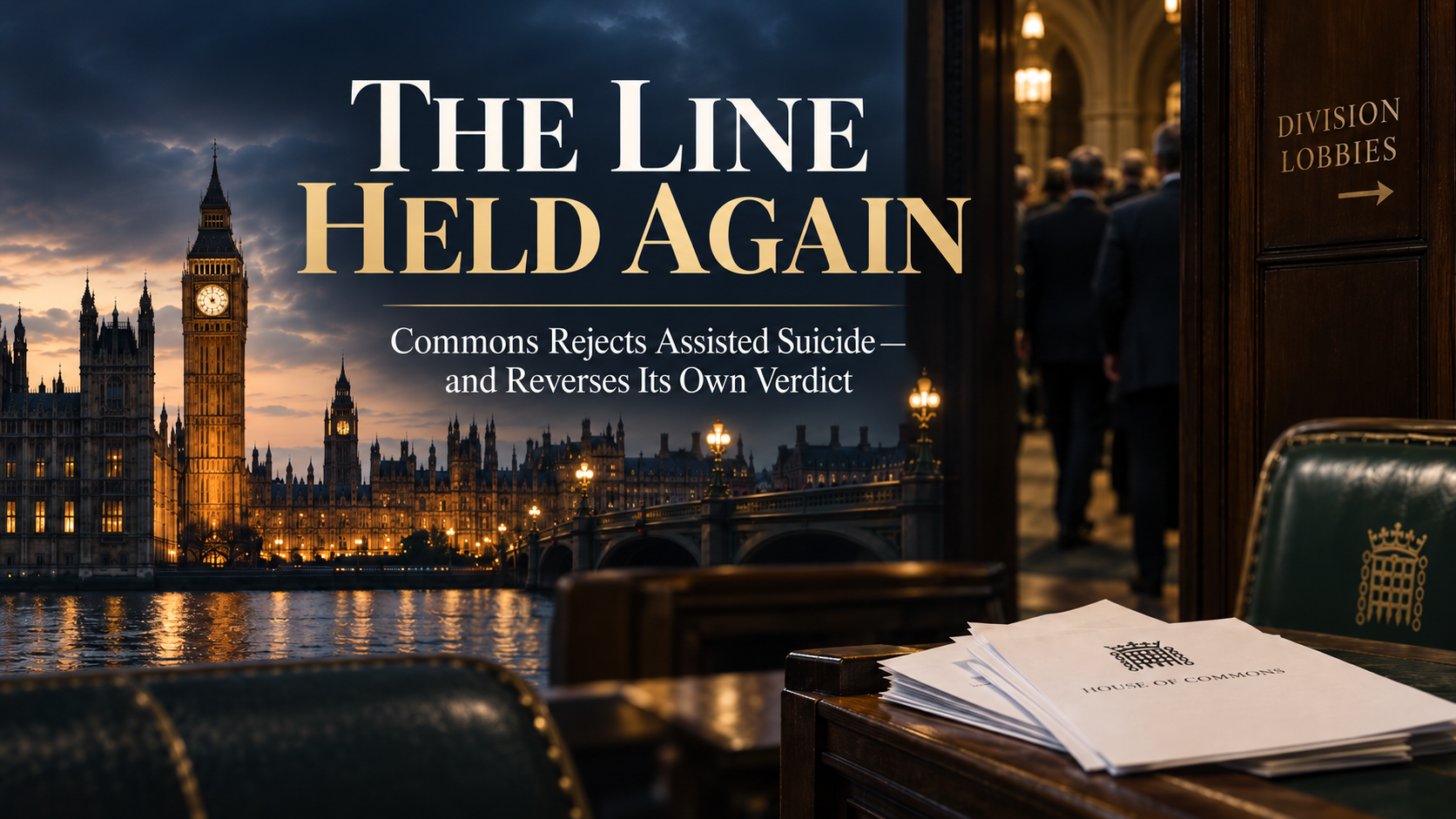
- The Line Held Again: UK Parliament Rejects Assissted Suicide Bill – and Reverses Its Own VerdictThe House of Commons has rejected the Terminally Ill Adults (End of Life) Bill, marking a significant parliamentary reversal in views on assisted suicide, shifting from a 55-vote majority for to a 16-vote majority against in less than two years. Concerns over safeguards and support for vulnerable patients informed this decision.
- Sermon for Holy Name of MaryThe feast of the Holy Name of Mary commemorates her Nativity and follows the celebration of the Holy Name of Jesus. It serves as a reminder of Europe’s past resistance against militant Islam, particularly during the Ottoman siege of Vienna in 1683. The rise of secularism and post-modernism threatens this cultural heritage, prompting a call for a renewed spiritual commitment akin to the Church’s role during the fall of the Roman Empire. This revival could inspire societal resilience against external threats.
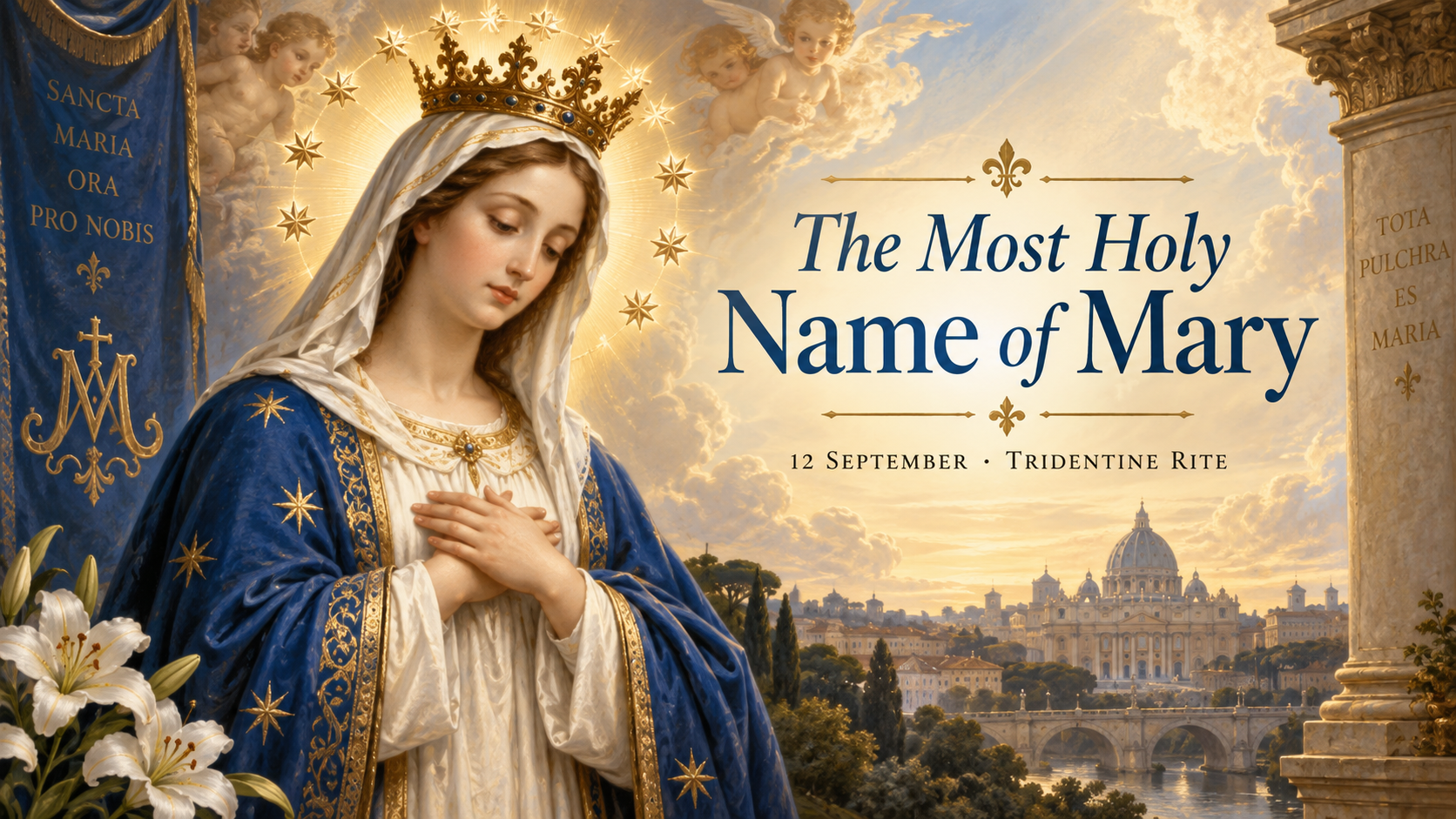
- The Most Holy Name of MaryThe Church commemorates the Nativity of the Blessed Virgin Mary on 8 September, followed by the Feast of the Holy Name of Mary on 12 September. This close sequence symbolises Mary’s significance in salvation history. The feast has evolved from a regional observance to a universal celebration, particularly linked to the victory at Vienna in 1683, highlighting her role as a maternal intercessor guiding the faithful towards Christ.


Leave a Reply