

In Epiphania Domini – The Epiphany of Our Lord

To the clergy and faithful of the Old Roman Apostolate,
and to all who seek the truth of Christ,
grace and peace in Our Lord Jesus Christ.
Carissimi, Beloved in Christ,
The Feast of the Epiphany is not a gentle epilogue to Christmas, nor a devotional afterthought. It is a decisive moment of disclosure in which Christ reveals Himself as King—acknowledged by the nations, manifested over creation, and established within the ordinary spaces of human life. The danger of our age is not open denial of this truth, but its quiet reduction: Epiphany remembered as story, sentiment, or symbol, rather than received as a claim upon how we worship, order time, and live as Christian households.
The Church has always understood Epiphany as a mystery that unfolds through signs rather than a single scene. The homage of the Magi proclaims Christ’s universal Kingship; the sanctification of the Jordan declares His lordship over creation and the waters of rebirth; the sign at Cana reveals His authority over marriage, festivity, and the ordinary joys of human society. Held together, these manifestations form a coherent proclamation: Christ is not one king among many, nor a private consolation for believers, but the Light to whom every realm must ultimately submit.¹
This edition of Nuntiatoria has been assembled in service of that vision. Its articles are not presented as isolated reflections, but as converging witnesses to a single theological axis: that Epiphany binds public worship and domestic life into one act of confession. When this axis is broken, faith retreats inward, the household becomes religiously neutral, and the calendar loses its sacramental character. When it is restored, belief once again takes shape in water, thresholds, time, and space.
For this reason, the rites traditionally associated with Epiphany demand renewed attention. The blessing of water, gold, frankincense, and myrrh; the marking of doors; and the proclamation of the feasts of the coming year are not pious embellishments. They are doctrinal acts enacted materially. They teach, without argument, that Christ claims what we touch, where we dwell, and how we measure time itself. In an age formed by abstraction and interiorisation, such rites quietly reassert that grace is objective and authoritative, not merely symbolic or self-defined.²
Several contributions in this edition recover these practices with care and restraint, grounding them in the Roman liturgical tradition and its sources. They show how Epiphany once trained Christians to live sacramentally beyond the church doors—by keeping blessed water, marking the threshold as consecrated ground, and allowing the liturgical year to govern expectation and hope. This was not superstition, nor clerical intrusion into private life, but catechesis enacted repeatedly until doctrine became instinct.³
Yet this recovery is not an exercise in nostalgia. The concern running through these pages is pastoral and urgent. Where Epiphany’s fullness is lost, the Kingship of Christ is subtly displaced. Faith becomes episodic rather than comprehensive; worship becomes aesthetic rather than formative; domestic life becomes detached from the Church’s public prayer. The result is a Christianity easily tolerated by the world because it no longer blesses, orders, or resists. The retrieval proposed here is therefore theological before it is cultural: a re-learning of what the Church once knew how to say clearly and enact confidently.⁴
Beloved in Christ, Epiphany asks more of us than admiration. It asks for recognition, obedience, and alignment. Who is this Child, and where does He reign? If He is King, then the answer cannot be confined to the sanctuary alone. This edition of Nuntiatoria is offered to you as an aid in reclaiming that integrated vision—so that the light which drew the Magi may also order our homes, our worship, and our keeping of time. May Christ, revealed to the nations, be confessed again as Lord of all that we are and all that we have.
In the light of the Star,
Haec est Via.

✠ Jerome Seleisi
Titular Archbishop of Selsey
Primus of the Old Roman Apostolate
¹ Epiphany: The Threefold Manifestation of Christ
² The Blessing of Gold, Frankincense, and Myrrh at Epiphany
³ Chalking the Door: Epiphany and the Sanctification of the Home
⁴ Epiphany Water and the Baptism of Creation
THIs WEEK’s EDITION


Latest
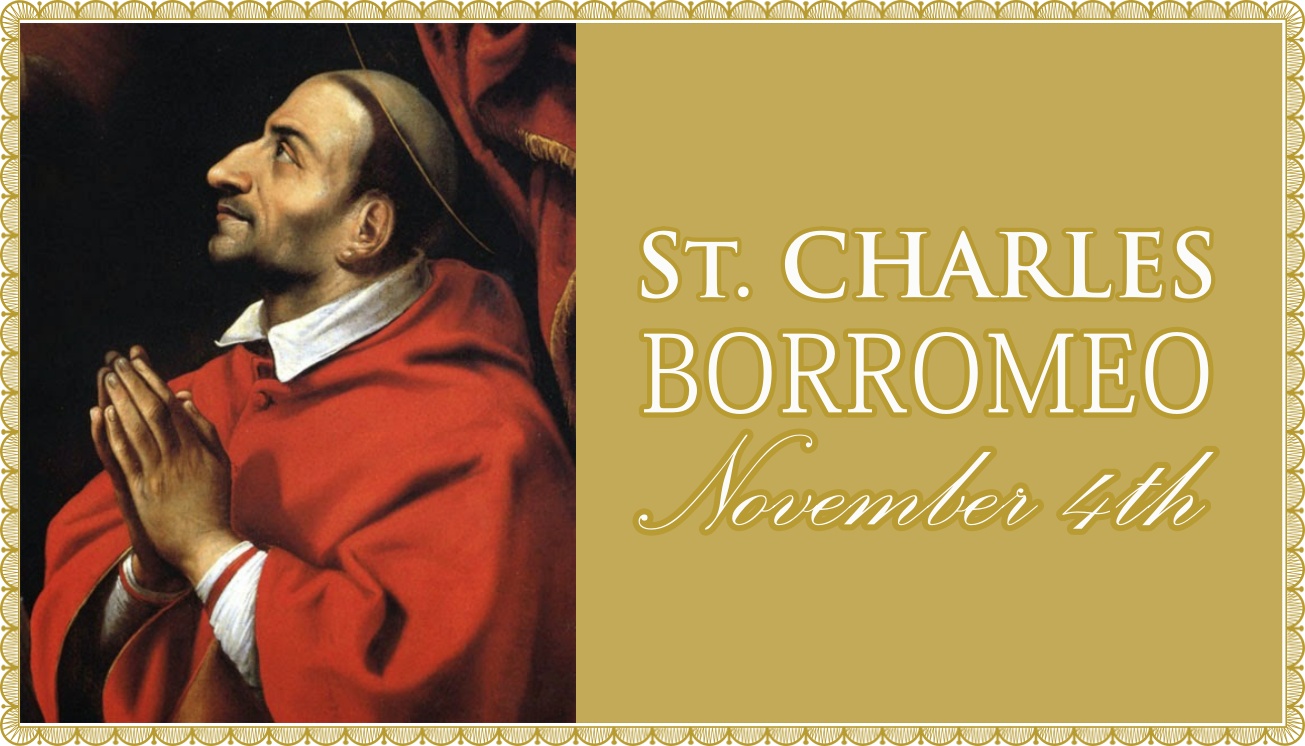
- Today’s Mass: November 4 St Charles BorromeoSt. Charles Borromeo (1538–1584) reformed the Church through holiness amid the corruption of his age—guiding Trent, renewing Milan, and serving heroically during plague. With Ss. Vitalis and Agricola and in the Octave of All Saints, he calls today’s Church to fidelity, reverence, and courageous sanctity amid confusion and decline.
- MEMENTO MORI: LEARNING TO LIVE IN THE LIGHT OF ETERNITYThis pastoral meditation reflects on the importance of remembering death to inspire a more faithful life, especially during the month of All Saints and All Souls. It urges individuals to embrace their mortality, make meaningful choices, and engage in prayer for the departed, thereby cultivating a closer relationship with God and living purposefully.
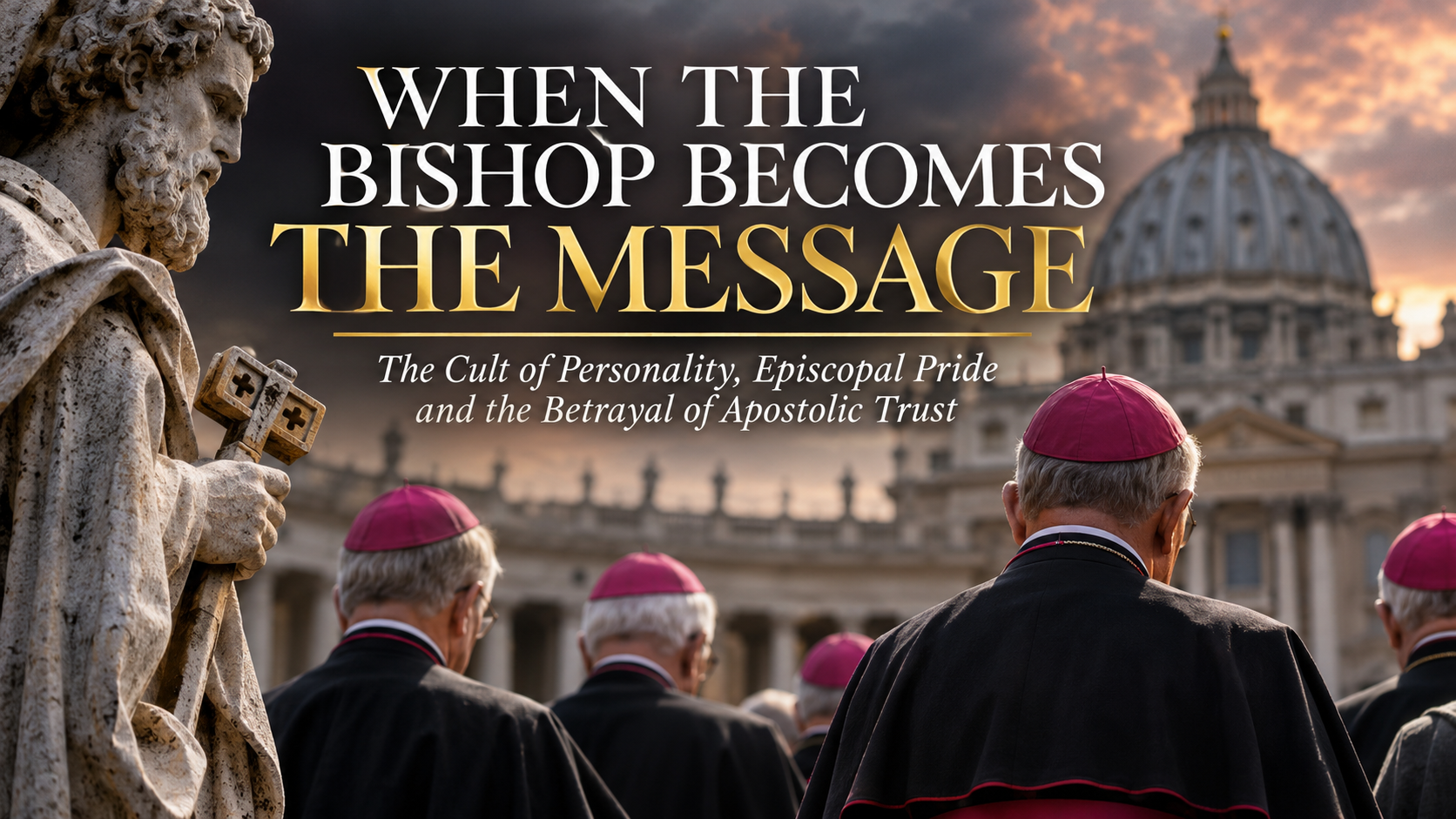
- WHEN THE BISHOP BECOMES THE MESSAGE: The Cult of Personality, Episcopal Pride and the Betrayal of Apostolic TrustArchbishop Josef Grünwidl of Vienna has openly advocated for women’s ordination, reflecting a troubling trend among bishops who express personal opinions at odds with established Catholic doctrine. This practice undermines their primary role of teaching the faith and raises concerns about episcopal pride and the proper handling of doctrinal authority by the Church.
- SANDIE PEGGIE: WHEN THE UNION FAILS THE WOMEN IT SHOULD DEFENDThe Royal College of Nursing successfully defended its actions in a discrimination case brought by Sandie Peggie, yet the ruling highlights concerns about the union’s failure to acknowledge members’ rights amid ideological conformity. This raises critical questions regarding the adequacy of trade union representation for employees facing complex workplace issues.
- Today’s homily: St Winefride of HolywellSt Winefride’s courage, and the survival of devotion to her through centuries of persecution, reveal the cost and beauty of Christian fidelity. Her feast challenges us to move beyond outward observance, cultivate genuine holiness, resist compromise, and persevere in sanctifying grace, ready to meet Christ, our divine Bridegroom.




Leave a Reply