

“Sanctitas Renovata” — Holiness Renewed

To the clergy and faithful of the Old Roman Apostolate,
and to all who seek the truth of Christ,
grace and peace in Our Lord Jesus Christ.
Carissimi, Beloved in Christ,
As the leaves fall and the Church enters her month of remembrance, we are invited to ponder not decay, but renewal — Sanctitas Renovata, holiness renewed. November begins with the glory of All Saints, passes through the intercession of All Souls, and crowns itself with the Feast of the Dedication of the Lateran Basilica — the mother and head of all the churches of the world. It is a month that mirrors the mystery of the Christian life: from the Church triumphant, through the Church suffering, to the Church militant, purified and rededicated.
This edition of Nuntiatoria is framed by that same sacred architecture. Its pages are stones in a spiritual edifice — each article, each reflection, a testimony that God’s grace continues to rebuild amid ruins. The Lateran Basilica, dedicated anew through the centuries after fire, sack, and earthquake, stands as the image of the Church herself: wounded but indestructible, for her foundation is Christ.
The Renewal of Holiness
True renewal never begins with structures or strategies, but with sanctity. The saints we honour at the octave’s dawn were not innovators but restorers. They renewed the Church because they first allowed God to renew them. The soul sanctified becomes a living stone in the temple of grace; a single confession, a single act of love, adds more to the Church’s beauty than any policy or programme.
In this spirit, the reflections on the Octave of All Saints and the Month of the Holy Souls call us to rediscover the communion that unites the living and the dead in one family of light. The sermon on the Dedication of the Lateran Basilica reminds us that every soul is a sanctuary meant to be consecrated anew, that the true walls of the Church are built from obedient hearts and penitent wills.
The Renewal of Doctrine
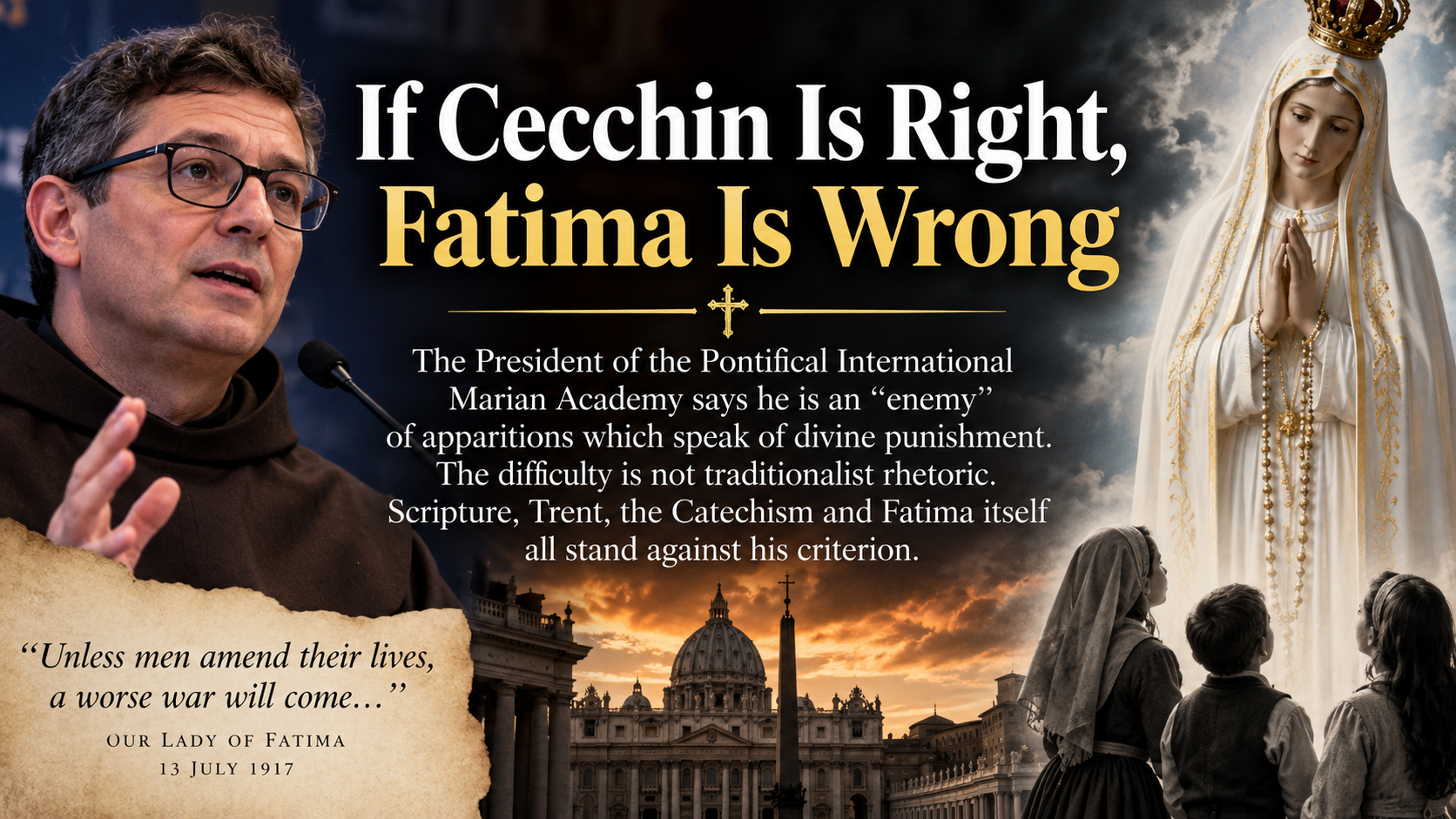
Yet holiness is not sentiment; it is truth lived. Thus this edition confronts the doctrinal confusion of our times — the resurgence of modernist thought disguised as pastoral sensitivity. The rejection of Our Lady’s titles Co-Redemptrix and Mediatrix omnium gratiarum exposes a wound in the Church’s memory: the attempt to honour love while denying the logic of redemption. To renew holiness, we must renew clarity.
Newman’s voice, recalled herein, warns us against the new ultramontanism that replaces faith with personality and obedience with servility. The conscience must be formed, not flattered; and authority serves the truth, it does not create it. The essays in the Modernist Errors dossier do not merely critique but propose — they call for a return to Thomistic realism, to Marian devotion that is doctrinally sound, to the luminous balance of faith and reason that once built Christendom.
The Renewal of the Nation
Holiness, once renewed, overflows into the world. The civil and cultural commentaries in this edition — on Britain’s demographic decline, the erosion of justice, and the crisis of public truth — are not lamentations but wake-up calls. A nation without faith cannot long retain freedom, for it loses the very sense of the person. The answer is not political reaction but spiritual conversion: the rediscovery of marriage as covenant, life as gift, conscience as duty, truth as non-negotiable.
So too the investigations into false marriages under foreign law, or the ideological corruption of our public institutions, reveal what happens when God’s order is replaced by man’s desire. The remedy remains the same as ever: Sanctitas Renovata. If the family becomes holy again, the nation can heal; if worship becomes true again, the Church can breathe; if souls become faithful again, the world will find its compass.
The Renewal of the Heart
Holiness renewed begins in the silence of contrition. November’s liturgy whispers to each of us: Memento homo, quia pulvis es. Yet from dust, God raises saints. The relics we venerate, the basilicas we dedicate, the names we remember — all testify that grace can dwell even in decay. Let us therefore offer our hearts for rededication, to be cleansed by truth, adorned by charity, and crowned by hope.
Beloved, this is the meaning of Sanctitas Renovata. The world demands novelty; God desires renewal. The one changes appearances, the other restores essence. Let us seek not to modernise holiness but to let holiness make us modern — souls aflame with eternal love in a cold and transient age.
May the saints intercede for us, the souls in purgatory be comforted by our prayers, and the living Church be rebuilt in faith, purity, and peace. And may every reader of this Nuntiatoria edition feel within his own heart the quiet echo of the Lateran’s inscription:
“Omnium urbis et orbis ecclesiarum mater et caput” —
Mother and head of all the churches of the City and the World.
Haec est Via.

✠ Jerome Seleisi
Titular Archbishop of Selsey
Primus of the Old Roman Apostolate



Leave a Reply