
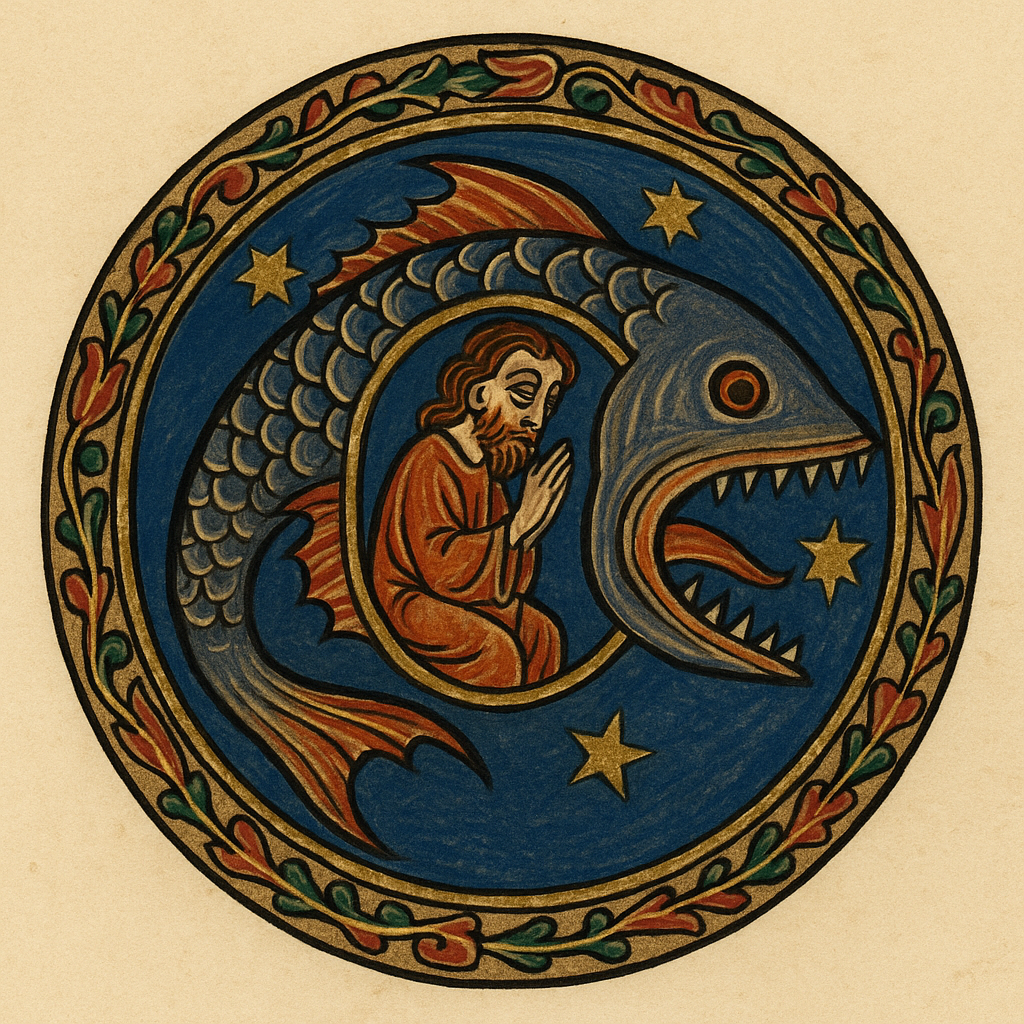
Jonah — The Sign from the Depths

Jonah’s descent into the depths is one of the most explicit prophetic prefigurations of Christ’s Paschal mystery. Sent by God to call Nineveh to repentance, Jonah flees from the divine command, resisting the scope of God’s mercy toward the nations. His flight ends in the sea, where he is swallowed by the great fish and disappears from the land of the living. For three days he dwells in darkness, cut off, enclosed, and silent—an image unmistakably sepulchral.
Symbol: Whale
Reading: Jonah 3:1–5
Theme: Three days in the fish — type of the Resurrection
Our Lord Himself authoritatively interprets this event: “As Jonas was in the whale’s belly three days and three nights, so shall the Son of man be in the heart of the earth.”¹ Jonah’s entombment and restoration are not incidental narrative details but deliberate signs pointing forward to Christ’s death, burial, and Resurrection. Long before Bethlehem, Scripture prepares us to understand that salvation will come through death passed through, not bypassed.
Jonah’s mission after his deliverance reveals the purpose of this sign. He preaches repentance, and Nineveh is spared. Judgment yields to mercy. The Fathers saw here both Christ’s victory over death and the Church’s mission to the Gentiles, sent forth after the Resurrection to call all nations to conversion. Advent therefore places Jonah before us as a reminder that the Child who is to be born comes in order to die and rise again, and that mercy lies at the heart of God’s redemptive plan.
- Matthew 12:40 (Douay-Rheims).
- Jonah 2:1–11.
- Cf. St Cyril of Jerusalem, Catechetical Lectures, Lecture 14
THE JESSE TREE REFLECTIONS


Related Articles


Latest Articles
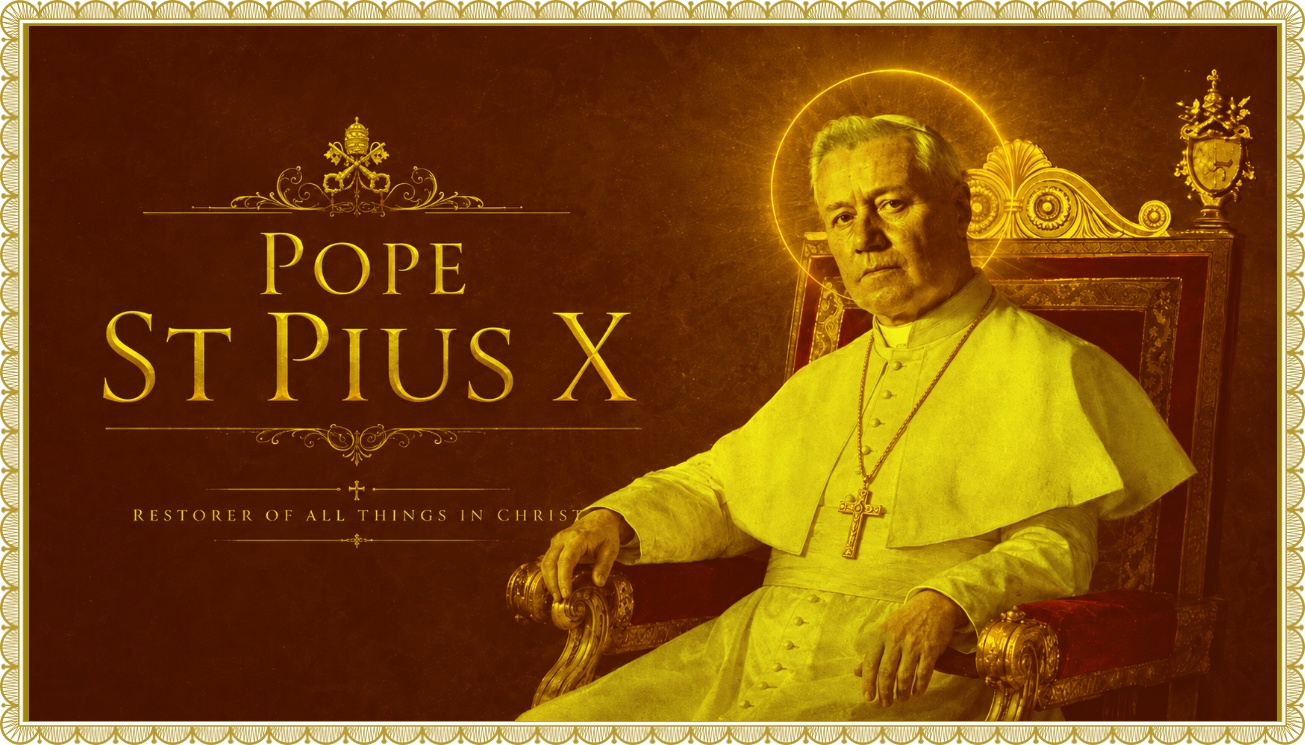
- Today’s homily: St Pius X, PopeThe text reflects on the life and legacy of Pope St Pius X, who was chosen from humble beginnings to reform the Church. His pontificate focused on defending the Catholic Faith, restoring liturgical sanctity, and fostering deeper connections between believers and Christ. Pius X exemplified a balance of truth and pastoral charity.
- Today’s Mass: September 03 Pope St Pius X,Pope St Pius X, born Giuseppe Melchiorre Sarto, was a significant reformer who emphasised preserving the Catholic Faith against Modernism. His pontificate (1903-1914) featured reforms in liturgy, frequent Holy Communion, and seminaries, rooted in a pastoral desire to restore everything in Christ. He died in 1914 and was canonised in 1954.
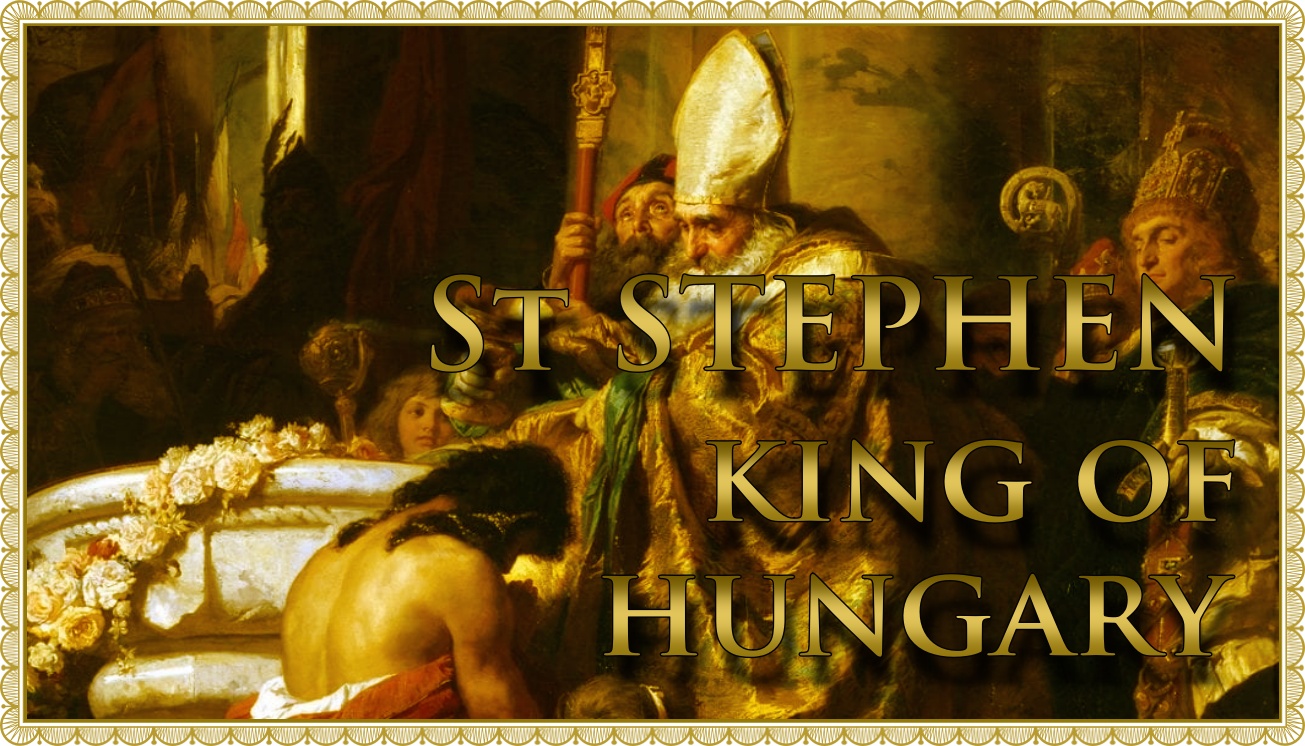
- Today’s homily: St Stephen of HungaryThe homily reflects on the life of Saint Stephen of Hungary, illustrating his transition from a powerful ruler to a saint. He embraced the responsibilities of kingship guided by faith, understanding his authority as stewardship. His legacy teaches that true governance comes with surrender to God, ultimately placing his kingdom under the protection of the Blessed Virgin Mary.
- Today’s Mass: September 02 St. Stephen the GreatSt. Stephen the Great, King of Hungary (977-1038), was a significant Christian ruler who reinforced the faith throughout Hungary. Anointed king in 1000 by Pope Sylvester II, he fought against paganism and promoted the Church. He was canonised in 1083 and is the patron saint of Hungary, symbolising national identity.
- QUAERITE PRIMUM REGNUM DEI – Seek First the Kingdom: Spiritual Conference for Nuntiatoria CXXIA spiritual conference, “Seek First the Kingdom,” emphasises prioritising God’s reign within individuals over earthly concerns. It explores the necessity of internalising Christ’s teachings, the importance of discernment, and the critical evaluation of the faith in relation to contemporary issues. A genuine Catholic life centres on Christ, fostering holiness and transformation.



Leave a Reply