
Number the Stars: Abraham and the Dawn of the Promise

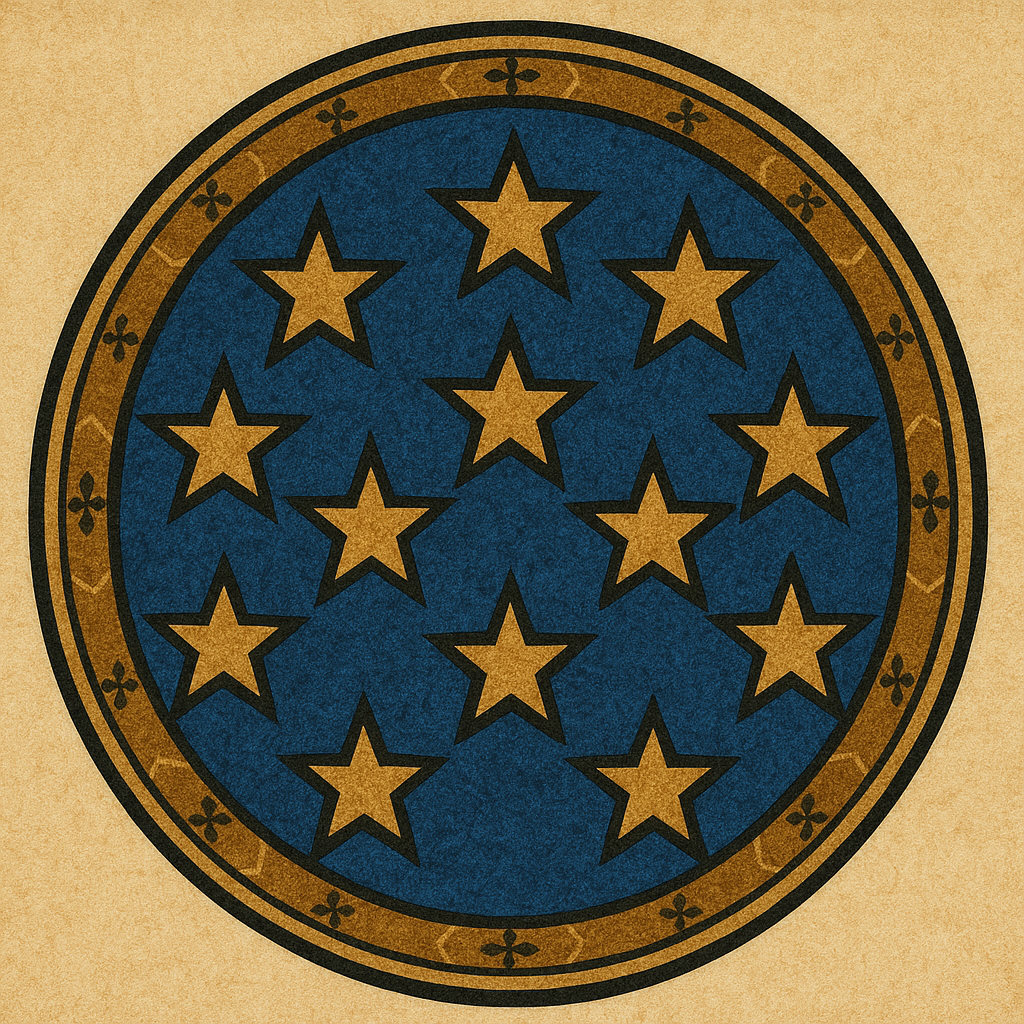
Night falls over the desert of Canaan, and Abraham—still without a child—steps beneath a sky alive with countless stars. Into this silence, God speaks a promise that seems impossible: “Look up to heaven and number the stars… so shall thy seed be.”¹ Though age and barrenness make the promise humanly unthinkable, Abraham “believed God, and it was reputed to him unto justice.”² With this act of trust, the covenant begins in earnest.
Abraham is called the Father of Faith not simply because he believes, but because he believes against all evidence. His faith rests not on circumstance but on the fidelity of God. The Fathers saw in this moment the foundation of the chosen people and the first shaping of the Church. St Paul teaches that Abraham becomes father not only to Israel but to all who walk by faith, for in Christ the true Seed all nations are blessed.³
The stars he gazes upon are more than a metaphor. They symbolise the innumerable multitude God intends to gather into His family—a people born not of blood but of promise, not of lineage but of faith. Each star is a glimmer of the divine intention that stretches from Canaan to Bethlehem, from the patriarchs to the Apostles, from Abraham’s tent to the altars of the Church.
As we hang the starry symbol upon the Jesse Tree, we are reminded that Advent is the season of believing in God’s promises even when they seem distant. Abraham teaches us to trust that God’s timing is perfect, His covenant unbreakable, His word certain. The Messiah who comes at Christmas is the fulfilment of the promise whispered under the desert stars: a Saviour through whom God forms His chosen people and makes them shine with His light.
- Genesis 15:5 (Douay-Rheims).
- Genesis 15:6 (Douay-Rheims).
- Galatians 3:8,16 (Douay-Rheims).
THE JESSE TREE REFLECTIONS


Related Articles


Latest Articles
- THE GOSPEL IS NOT AN ALIBI FOR BUREAUCRACYBishop Philip North contends that spiritual renewal is paramount for the Church of England, sidelining organisational reform. He defends diocesan administration despite concerns over rising costs and declining clergy and congregations. This editorial emphasises the need for both faithful evangelisation and responsible financial stewardship as interconnected necessities for the Church’s survival.
- Today’s Mass: November 2 All SoulsAll Souls’ Day is observed on 2 November, commemorating the faithful departed. The Church encourages prayers, alms, and Masses of Requiem to aid souls in need of cleansing from sins. Originating in the early Christian practices, it aims to provide spiritual support for the deceased, ensuring their journey towards eternal rest.
- DE PROFUNDIS: THE PRAYER THAT WILL NOT LEAVE THE DEAD BEHINDThe De Profundis serves as a profound prayer for the dying and the deceased, urging honesty in facing sin and reliance on Christ’s mercy. Through its historical context and traditions, it encourages ongoing remembrance of the departed within the family, emphasising the importance of intercession and maintaining a connection with faith.
- EVERY VOICE — EXCEPT THE OLD MASS?Pope Leo XIV has appointed Father Giacomo Costa and Sister Elena Massimi to oversee synodal implementation. Massimi’s prior support for Traditionis Custodes raises concerns about the Church’s authenticity in listening. As synodality takes a more central role in governance, it remains uncertain if traditional Catholics’ voices will be genuinely considered, questioning the credibility of the process.
- THE COUNCIL SAID PRESERVE IT. THEY TORE IT OUT.James Likoudis’s last defence of the liturgical reform highlights a disconnect between Vatican II’s true directives and the significant alterations that followed. The 1965 interim Mass illustrates that the Council’s goals could be achieved without the 1969–70 reconstruction. Official documents document the loss of sacred heritage and misuse of Vatican II’s intentions, raising questions about ecclesiastical responsibilities and the difference between true reform and the abandonment of tradition.




Leave a Reply