

He Will Dwell Among Them: The Temple and the Promise of Presence

Solomon’s Temple marks a decisive moment in salvation history: the God who led Israel through the wilderness and dwelt in the portable tabernacle now chooses to establish His presence in a house of stone. “I purpose to build a house to the name of the Lord my God,” Solomon declares,¹ and with this act, the covenantal promise deepens. The Temple becomes the visible sign that God desires not distance but nearness—He will dwell in the midst of His people.
The Temple was fashioned with breathtaking beauty: cedar walls overlaid with gold, carvings of cherubim and palms, and a sanctuary arranged according to the pattern shown to Moses.² Everything proclaimed the holiness of God and the dignity of worship. Yet the Temple was more than architecture. It was the meeting place of heaven and earth—the place of sacrifice, forgiveness, and divine presence. In its inner heart, the Holy of Holies, God’s glory dwelt upon the Ark.
The Fathers saw in the Temple a prophetic image of Christ, the true dwelling place of God among men.³ They also saw it as a figure of the Church and of the soul redeemed by grace: God desires a living temple, cleansed, ordered, and filled with His presence. The scales of wisdom sometimes symbolise this day because Solomon’s reign—marked by wisdom—revealed the harmony and justice that flow from God’s indwelling.
As we hang the Temple symbol upon the Jesse Tree, Advent reminds us that God’s desire to dwell with His people finds its fulfilment not merely in a building but in the Incarnation. The eternal Word will take flesh and make His dwelling among us.⁴ Bethlehem is the true Temple; Christ is the true presence; and our hearts, purified by grace, are called to become His sanctuary.
- 1 Kings 5:5 (Douay-Rheims).
- Cf. 1 Kings 6:14–36.
- Cf. St Athanasius, On the Incarnation, ch. 8.
- John 1:14.
THE JESSE TREE REFLECTIONS


Related Articles


Latest Articles
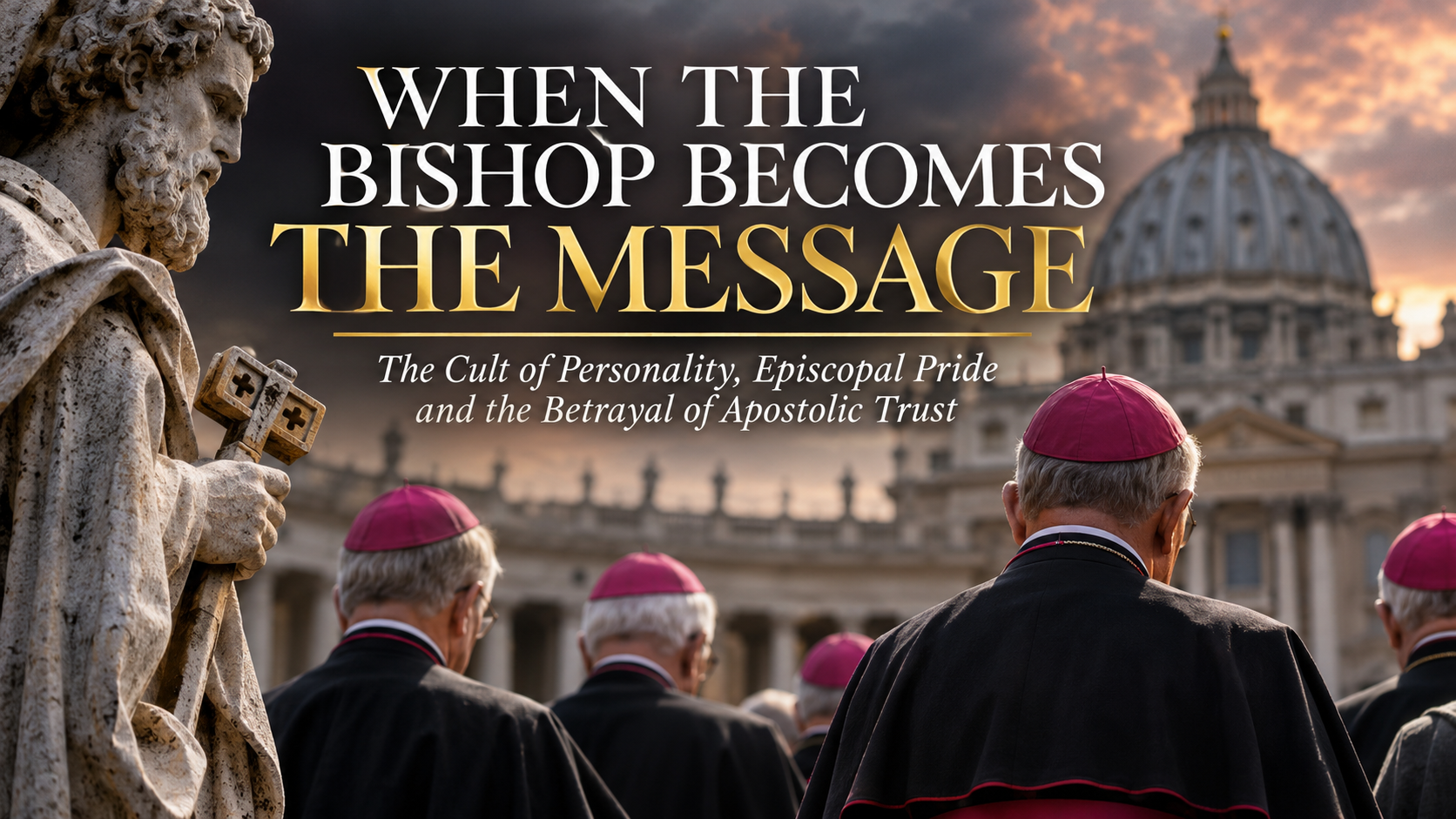
- WHEN THE BISHOP BECOMES THE MESSAGE: The Cult of Personality, Episcopal Pride and the Betrayal of Apostolic TrustArchbishop Josef Grünwidl of Vienna has openly advocated for women’s ordination, reflecting a troubling trend among bishops who express personal opinions at odds with established Catholic doctrine. This practice undermines their primary role of teaching the faith and raises concerns about episcopal pride and the proper handling of doctrinal authority by the Church.
- SANDIE PEGGIE: WHEN THE UNION FAILS THE WOMEN IT SHOULD DEFENDThe Royal College of Nursing successfully defended its actions in a discrimination case brought by Sandie Peggie, yet the ruling highlights concerns about the union’s failure to acknowledge members’ rights amid ideological conformity. This raises critical questions regarding the adequacy of trade union representation for employees facing complex workplace issues.
- Today’s homily: St Winefride of HolywellSt Winefride’s courage, and the survival of devotion to her through centuries of persecution, reveal the cost and beauty of Christian fidelity. Her feast challenges us to move beyond outward observance, cultivate genuine holiness, resist compromise, and persevere in sanctifying grace, ready to meet Christ, our divine Bridegroom.
- Today’s Mass: November 3 St Winefride of HolywellThe spring attached to her legend has given its name to Holywell (Tre Ffynnon), Clwyd, and down the centuries, and right up to the present day, pilgrims have travelled there in the hope of finding healing for their illnesses. Such pilgrimages even continued throughout the Reformation with 14,000 people and 150 priests gathered there on St Winefride’s feast day in 1629 – a time when Catholics were still dying as martyrs.
- THE GOSPEL IS NOT AN ALIBI FOR BUREAUCRACYBishop Philip North contends that spiritual renewal is paramount for the Church of England, sidelining organisational reform. He defends diocesan administration despite concerns over rising costs and declining clergy and congregations. This editorial emphasises the need for both faithful evangelisation and responsible financial stewardship as interconnected necessities for the Church’s survival.






Leave a Reply