
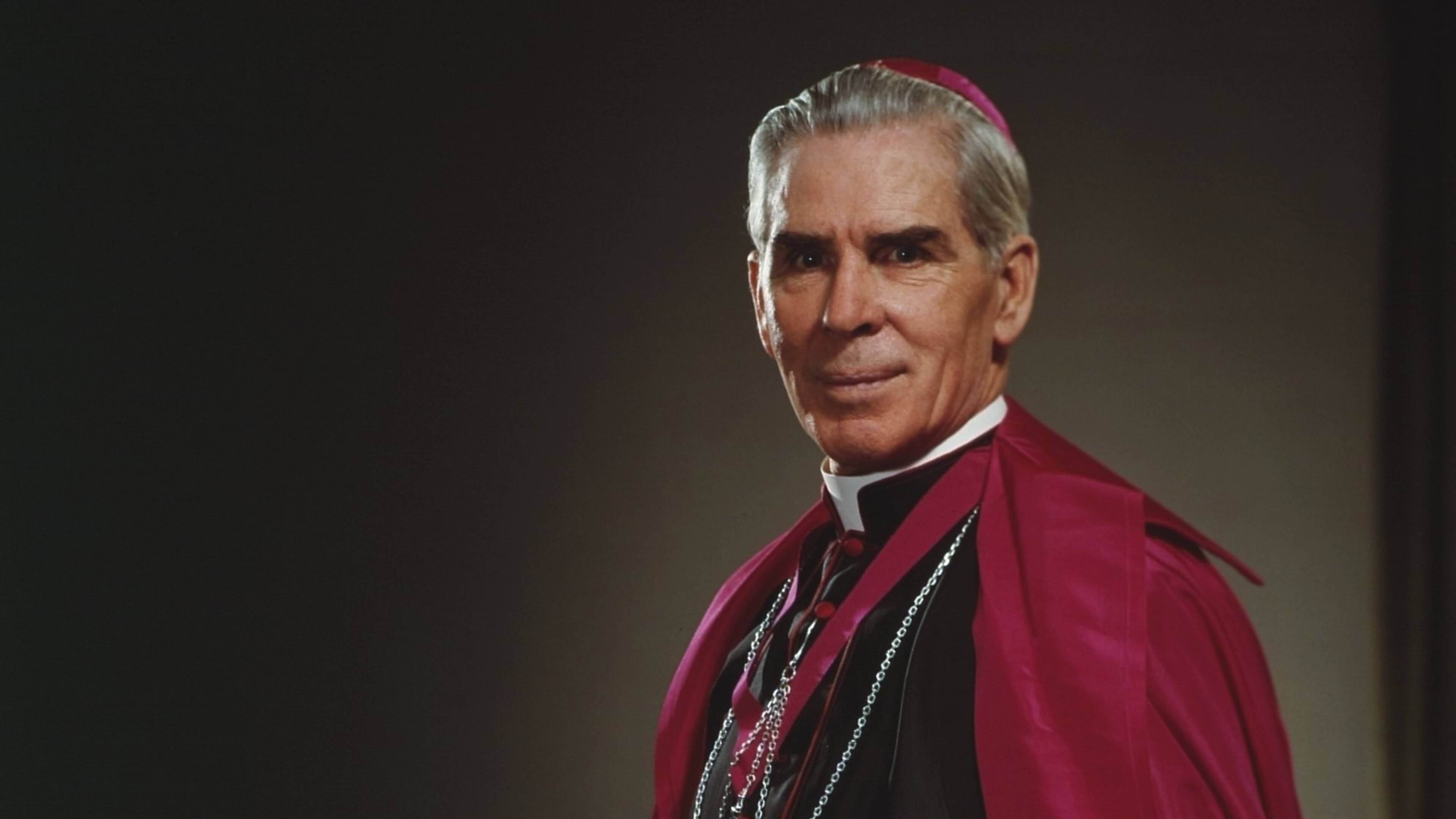
Holy See Clears Way for Beatification of Archbishop Fulton J. Sheen
The Holy See has formally notified Bishop Louis Tylka of the Diocese of Peoria that the cause of the Venerable Servant of God Archbishop Fulton J. Sheen may now proceed to beatification, marking the final canonical step before he is declared Blessed by the Church.¹
The decision ends a prolonged period of uncertainty following the postponement of Sheen’s beatification in 2019, despite prior Vatican recognition of a miracle attributed to his intercession. With this notification, the Holy See has effectively confirmed that no further impediments remain to the public celebration of the beatification.
Next Steps in the Cause
In a statement released by the Diocese of Peoria, Bishop Tylka confirmed that the next stage will be the liturgical celebration of beatification, the precise date and location of which will be determined in coordination with the Dicastery for the Causes of Saints.²
“Archbishop Fulton Sheen was one of the greatest voices of evangelization in the Church and the world in the 20th century,” Bishop Tylka said. “I have long admired his lifelong commitment to serve the Church as a priest, rooted in his deep devotion to the Blessed Mother and the Eucharist.”³
Reflecting on Sheen’s pastoral and apostolic legacy, Tylka noted that his capacity to communicate the Gospel with clarity and warmth drew countless people into a transformative encounter with Christ—an influence that continues long after his death.
A Cause Marked by Delay and Resolution
Archbishop Sheen’s cause for canonization was opened in 2002 by the Diocese of Peoria and advanced steadily until 2012, when Pope Benedict XVI declared him Venerable upon recognition of his heroic virtue.⁴ In 2019, Pope Francis approved a miracle attributed to Sheen’s intercession, ordinarily clearing the way for beatification.
However, the planned December 2019 beatification was postponed following last-minute concerns raised by another U.S. diocese regarding Sheen’s brief tenure as Bishop of Rochester in the 1960s. Although no allegations of abuse were ever made against Sheen himself, the pause reflected heightened ecclesial sensitivity in the wake of the broader clerical abuse crisis.⁵
The delay was compounded by a legal dispute over the transfer of Sheen’s remains from St Patrick’s Cathedral, New York, to the Cathedral of Saint Mary of the Immaculate Conception in Peoria. That dispute was ultimately resolved, and the remains were translated to Peoria in 2019, where devotion to Sheen has remained strong.⁶
An Evangelist for the Modern Age
Born in El Paso, Illinois, in 1895 and ordained a priest in 1919, Archbishop Sheen became one of the most recognisable Catholic figures of the twentieth century. As a philosopher, theologian, missionary administrator, auxiliary bishop of New York, and later Bishop of Rochester, his ecclesiastical service was matched by an unprecedented media apostolate.
Through radio broadcasts and his Emmy-winning television programme Life Is Worth Living, Sheen reached millions with a distinctly Catholic proclamation of Christ, combining intellectual depth with pastoral accessibility. His influence shaped generations of clergy and laity and established a model of evangelisation that remains instructive in the present cultural moment.⁷
With the Holy See’s confirmation now received, the Church awaits the public act by which Archbishop Fulton J. Sheen will be declared Blessed—a recognition not merely of personal holiness, but of a life devoted to the fearless proclamation of the Gospel in the modern world.
¹ Diocese of Peoria, official announcement on the cause of Archbishop Fulton J. Sheen, 9 February 2026.
² Dicastery for the Causes of Saints, procedural norms on beatification following recognition of a miracle.
³ Statement of Bishop Louis Tylka, Diocese of Peoria, 9 February 2026.
⁴ Congregation for the Causes of Saints, Decree on the Heroic Virtue of Fulton J. Sheen, 2012.
⁵ Holy See Press Office briefing on the postponement of the Sheen beatification, December 2019.
⁶ Supreme Court of the State of New York, decision regarding the remains of Archbishop Fulton J. Sheen, 2019.
⁷ Joseph Illick, Archbishop Fulton J. Sheen: Converter of Hearts, Our Sunday Visitor, 2008.
RELATED ARTICLES


Latest ARTICLES
- TRADITION BEHIND THE FENCEThe Vatican’s prohibition of the traditional Ad Petri Sedem pilgrimage to St Peter’s Basilica has sparked controversy, especially among traditional Catholics. While some cite scheduling conflicts, the broader issue lies in the restrictive policies of Traditionis custodes, which may confine traditional liturgical practices to specific enclaves, risking the transmission and recognition of Catholic Tradition within the wider Church.
- Today’s Mass: October 24 St Raphael the ArchangelThe Feast of Saint Raphael the Archangel highlights his healing powers as depicted in the Book of Tobit, where he aids Tobit and his son, Tobiah. Venerated as a protector of travellers and the blind, Raphael is celebrated for his miraculous interventions. His legacy includes support for nurses, matchmakers, and Catholic studies.
- 25.10.26 Nuntiatoria CXXIX: CHRISTUS REXThe text discusses the relationship between Christ’s kingship and authority within the Church amidst contemporary challenges. It contrasts ecclesiastical power with genuine faith, emphasising that authority must protect divine truth rather than alter it. The witness of imprisoned priests illustrates the enduring significance of fidelity to Christ over institutional conformity.
- THE DOMESTIC CHURCH: 25 October – 2 November 2026 A Home with Room for Heaven: Preparing for All Saints and All SoulsThe content outlines a week’s plan for traditional Catholic families to prepare for the feasts of All Saints and All Souls. Emphasising daily prayers, remembrance of the deceased, and engagement with children’s activities, it aims to integrate Catholic customs into family life, enriching spiritual practices and fostering a shared faith experience.
- ORDO w/c 25.10.26The text outlines the liturgical calendar for the last week of October and the beginning of November, highlighting key celebrations. Notable events include the Feast of Christ the King, St Evaristus, the Vigil of Saints Simon and Jude, and the Feast of All Saints, emphasising themes of holiness, unity in faith, and the Church’s teachings.




Leave a Reply