

Statio ad St Praxedem
You enter not simply a church, but a house—a house that became a sanctuary, and a sanctuary that became a treasury of blood. Here, where Saint Praxedes once sheltered the persecuted, the Church invites you at the beginning of Holy Week to consider what it means to receive Christ. Not with words alone, not with sentiment, but with the costly hospitality of a life given over to Him. The stone beneath your feet marks where the blood of martyrs was gathered; the very ground speaks: this is what love looks like when it is tested.
The liturgy places before you the Suffering Servant—struck, mocked, obedient unto death—yet unwavering in trust. And here, surrounded by relics, that prophecy ceases to be distant. It is fulfilled not only in Christ, but in His members. These martyrs did not merely admire Him; they followed Him. They did not turn away from suffering; they passed through it. The question presses itself upon the soul: do you seek Christ only in His consolations, or will you receive Him also in His Passion?
Lift your eyes to the apse. Christ stands in glory, already crowned, already victorious. This is no contradiction of the Cross, but its unveiling. The Church, in her wisdom, brings you here precisely now—when the shadow of Calvary lengthens—to show you the end for which the Passion is endured. The same Lord who is scourged is the Lord who reigns. The same Body that suffers is the Body that is glorified. What appears as defeat is already the beginning of triumph.
And yet, the path remains personal. The Gospel recalls the house of Bethany—Christ welcomed, anointed, honoured. Santa Prassede is Rome’s answer to Bethany: a home opened to Christ, even when that welcome invited danger, loss, and death. The saints of this place teach you that the Christian life is not lived at a distance. Christ must be received into your house—into your will, your choices, your sacrifices. And once He is received, everything changes.
Pause, then, before the relics, before the pillar, before the silent witnesses whose names are “known to God alone.” Their hiddenness is itself a lesson. Not all sanctity is seen, not all sacrifice remembered—but all is known, all is gathered, all is redeemed. As you continue your pilgrimage into the mysteries of Holy Week, carry this with you: that fidelity in the small, in the hidden, in the costly moments of obedience, is the very substance of sanctity.
In this house of Praxedes, the Church does not ask you merely to observe the Passion. She asks you to enter it. And in entering it, to discover—like the martyrs, like the saints—that beyond the Cross lies not loss, but glory.
RELATED ARTICLES


LATEST ARTICLES
- Today’s homily: Feast of the Holy RelicsThe Feast of the Holy Relics affirms the dignity of the human body and Christ’s promise of resurrection. Drawing upon Scripture, the early martyrs and England’s Catholic inheritance, this homily considers the communion of saints, our duty towards the departed and the holiness demanded of our own earthly lives.
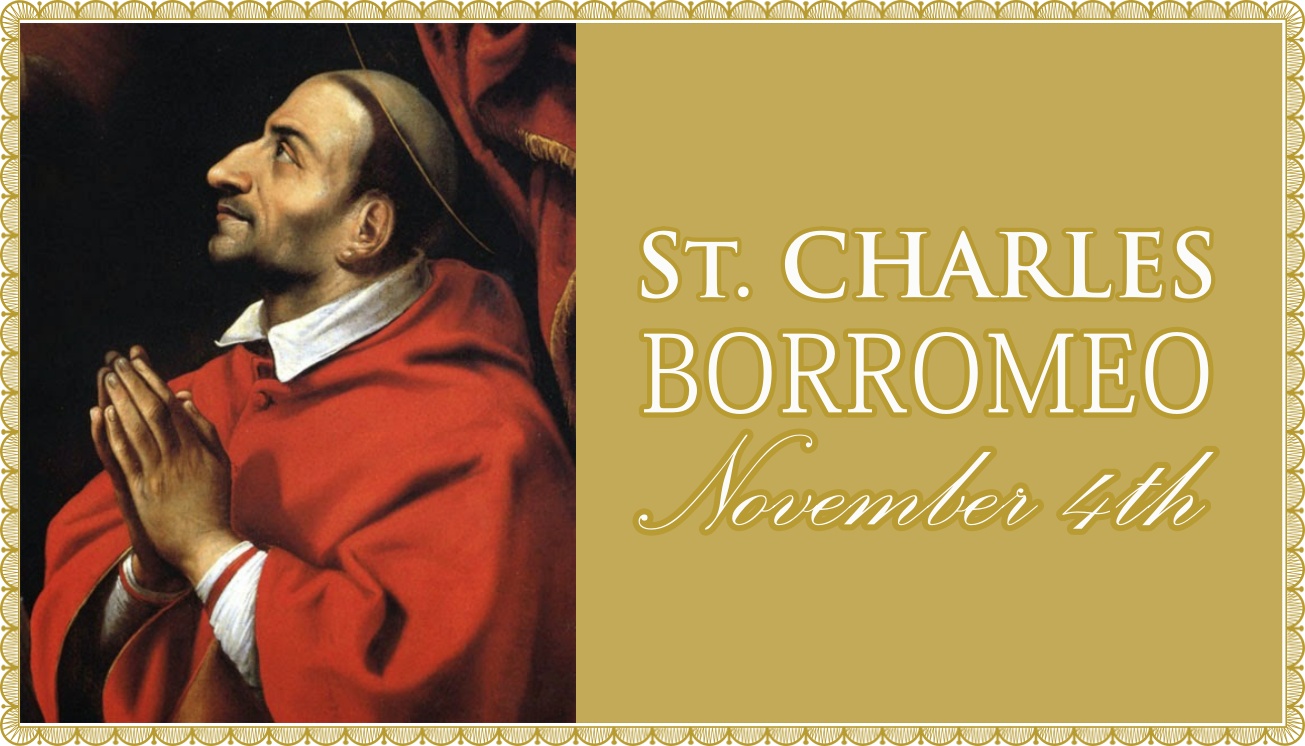
- Today’s Mass: November 5 Feast of the Holy RelicsSt. Charles Borromeo (1538–1584) reformed the Church through holiness amid the corruption of his age—guiding Trent, renewing Milan, and serving heroically during plague. With Ss. Vitalis and Agricola and in the Octave of All Saints, he calls today’s Church to fidelity, reverence, and courageous sanctity amid confusion and decline.
- Today’s Mass: November 4 St Charles BorromeoSt. Charles Borromeo (1538–1584) reformed the Church through holiness amid the corruption of his age—guiding Trent, renewing Milan, and serving heroically during plague. With Ss. Vitalis and Agricola and in the Octave of All Saints, he calls today’s Church to fidelity, reverence, and courageous sanctity amid confusion and decline.
- MEMENTO MORI: LEARNING TO LIVE IN THE LIGHT OF ETERNITYThis pastoral meditation reflects on the importance of remembering death to inspire a more faithful life, especially during the month of All Saints and All Souls. It urges individuals to embrace their mortality, make meaningful choices, and engage in prayer for the departed, thereby cultivating a closer relationship with God and living purposefully.
- WHEN THE BISHOP BECOMES THE MESSAGE: The Cult of Personality, Episcopal Pride and the Betrayal of Apostolic TrustArchbishop Josef Grünwidl of Vienna has openly advocated for women’s ordination, reflecting a troubling trend among bishops who express personal opinions at odds with established Catholic doctrine. This practice undermines their primary role of teaching the faith and raises concerns about episcopal pride and the proper handling of doctrinal authority by the Church.



Leave a Reply