
- The Society of Saint Pius X in Japan: A Mission of Fidelity and Quiet Growth
 The Society of Saint Pius X in Japan exemplifies perseverance and commitment amidst cultural and ecclesiastical challenges. Founded through Fr. Nanasaki’s vision, the mission transitioned from instability to a more established presence with Fr. Onoda’s leadership. Despite obstacles, the community’s dedication to tradition fosters growth in faith and spiritual life.
 - Forming priests or redefining the priesthood?
 A recent report on the Synod on Synodality suggests enhancing women’s roles in priesthood formation. It questions the traditional seminary model, reflecting on the Church’s understanding of priesthood amid declining vocations. The document argues that clear articulations of priestly identity are essential for fostering future vocations and a meaningful clerical culture.
 - Sermon for St. Luke (Oct 18)
 Today, we commemorate St. Luke, who authored the Gospel and Acts of the Apostles, emphasizing his role as both evangelist and historian. He aimed to provide an authentic account of Jesus through meticulous investigation of oral and documentary sources. St. Luke’s writing underscores the Gospel’s public significance, linking faith to the broader historical narrative of early Christianity.
 - 19.10.25 Nuntiatoria LXXVI: In Silentio et Veritate
 Nuntiatoria 19.10.25 — “In Silentio et Veritate” unites liturgical reflection, social critique, and spiritual renewal. From St Teresa and St Peter of Alcántara’s reforming friendship to modern battles over truth, tradition, and freedom, this edition calls readers to resist noise and deceit through silence, sanctity, and fidelity—where the Church’s strength and renewal are found.
 - The Archbishopric of Sarah Mullally: A new colonialism in Anglican garb
 The election of Dame Sarah Mullally as Archbishop of Canterbury has sparked alarm among global Anglican bishops, particularly in the Global South, who view it as a break from Scripture and traditional faith. Critics argue it represents cultural imperialism, alienating the majority of Anglicans who uphold biblical teachings.
 - Beyond the Headline: Dilexi te Is Not “Francis II”
 The analysis critiques media interpretations of Pope Leo XIV’s Apostolic Exhortation, Dilexi te, emphasizing its theological correction rather than continuity with Pope Francis. Leo underscores the connection between faith and love for the poor, advocating for a shift towards personal renewal and divine humility, rejecting modernism and materialism in social teachings.
 - Beyond Illusions: Conspiracy, Moral Despair, and the Real Threat of Radical Islamism
 Antisemitic conspiracies are fiction; Islamism is fact. While the West obsesses over imagined cabals, a real ideology kills thousands and erodes civilisation. To survive, the West must recover faith, truth, and the courage to name evil for what it is.
 - ORDO w/c 12.10.25
 The content outlines the feast days of various saints in October, including St. Wilfrid, St. Edward the Confessor, St. Callistus I, St. Teresa of Avila, St. Margaret Mary Alacoque, St. Hedwig, and St. Luke the Evangelist. Each entry highlights their significant contributions to Christianity and their enduring legacies.
 - 12.10.25 Nuntiatoria LXXV: Contra Tenebras
- Sermon for St. Wilfrid/Eighteenth Sunday after Pentecost
 St. Wilfrid, born in 634, became a pivotal figure in the English Church, advocating the Roman tradition over the Irish. His efforts included establishing monasteries and addressing disputes with kings and bishops. Despite his confrontational nature, he significantly influenced evangelism and church governance in England. He died in 709, leaving a lasting legacy.
 - Sermon for Eighteenth Sunday after Pentecost
 The Eighteenth Sunday after Pentecost emphasizes the importance of divine grace, as articulated in today’s collect, which reflects on the continuity of faith amidst societal collapse. The text critiques the Enlightenment’s shift towards reason and science, arguing that without faith, humanity faces despair. Acknowledging our fallen nature, it advocates for reliance on God’s mercy for guidance.
 - The false peace: why the Gaza ceasefire is only a pause in war
 The October 2025 Gaza ceasefire is less a peace than a pause — a fragile interlude allowing Hamas to rearm under Western applause. True peace requires the defeat of terror, the punishment of its sponsors, and the recovery of moral clarity in a civilisation that no longer knows what peace means.
 - St Wilfrid Apostle of the English and the Old Roman Apostolate today
 Pope Leo XIV addressed journalists at the Vatican, warning against AI’s potential to distort truth and the moral obligations of the media. He emphasized the importance of resisting clickbait and maintaining journalistic integrity, urging professionals to prioritize genuine information over sensationalism. His message underscored the need for truth amid technological manipulation.
 - The pope and the post-truth age: Leo XIV warns journalists of AI’s “ancient art of lying”
 Pope Leo XIV addressed journalists at the Vatican, warning against AI’s potential to distort truth and the moral obligations of the media. He emphasized the importance of resisting clickbait and maintaining journalistic integrity, urging professionals to prioritize genuine information over sensationalism. His message underscored the need for truth amid technological manipulation.
 - Christ the Bridegroom and His Priesthood: A Catholic Response to CanterburyThe reflection addresses the appointment of Dame Sarah Mullally as Archbishop of Canterbury, emphasizing that the Catholic Church cannot alter Christ’s instituted priesthood, which resides in divine mystery. It advocates for fidelity to tradition over conformity to contemporary societal norms, asserting the sacramental nature of the male priesthood and the distinct roles of men and women within the Church.
- Encouraging Marriage Is Not “Violence”: Why Earlier Family Formation Matters for the West
 The discussion critiques Emma Watson’s portrayal of marriage as “violence” towards youth, advocating instead for the positive societal value of well-prepared, early marriages. Highlighting demographic declines, it argues that stable marriages significantly benefit children and society, urging constructive encouragement for marriage through cultural, formative, and policy changes.
 - Dilexi te: Pope Leo XIV’s First Word to the ChurchPope Leo XIV’s first motu proprio, Coniuncta Cura, emphasizes financial governance of the Holy See, prioritizing fiscal structures over spiritual renewal. This decree, replacing Pope Francis’s 2022 directives, highlights urgency for reform amidst scandals but raises concerns about neglecting liturgical issues and true spiritual rejuvenation within the Church.
- The Paradox of Antifa: Fighting Fascism by Imitating It
 The post discusses the Antifa movement, claiming to fight fascism while exhibiting authoritarian tendencies. It argues that Antifa’s methods mirror those of the fascism it opposes. By prioritizing ideology over individual autonomy, it creates a new elite that restricts freedom. True liberty, the post asserts, can only emerge from a moral order grounded in divine law.
 - Justice, Order, and Outrage
 Three Epping protesters received longer sentences than the migrant whose assault provoked their anger. When punishment defends order but not justice, public trust dies. Justice, Order, and Outrage — a Nuntiatoria editorial on law, morality, and legitimacy.
 - The Age of Unthinking: How a Generation Learned to Chant Without Knowing
 They chant for freedom yet endorse tyranny. Fed on emotion, not reason, the young have learned to shout without knowing. Slogans have replaced sentences, feelings have replaced facts. Only formation — moral, intellectual, and spiritual — can restore truth.
 - Coniuncta Cura: A Pontificate Begins in the Ledger, Not at the Altar
 Pope Leo XIV’s first motu proprio, Coniuncta Cura, emphasizes financial governance of the Holy See, prioritizing fiscal structures over spiritual renewal. This decree, replacing Pope Francis’s 2022 directives, highlights urgency for reform amidst scandals but raises concerns about neglecting liturgical issues and true spiritual rejuvenation within the Church.
 - Forgotten Rubrics: The month of the holy Rosary
 October is dedicated to the Holy Rosary, celebrating its historical significance, particularly at the Battle of Lepanto in 1571. This month encourages daily recitation, invoking Mary’s intercession. The Rosary is viewed as essential for spiritual perseverance, teaching virtues and unity in faith during challenging times, reminding Catholics of their devotion.

12.10.25 Nuntiatoria LXXV: Contra Tenebras
1–2 minutes


LATEST ARTICLES
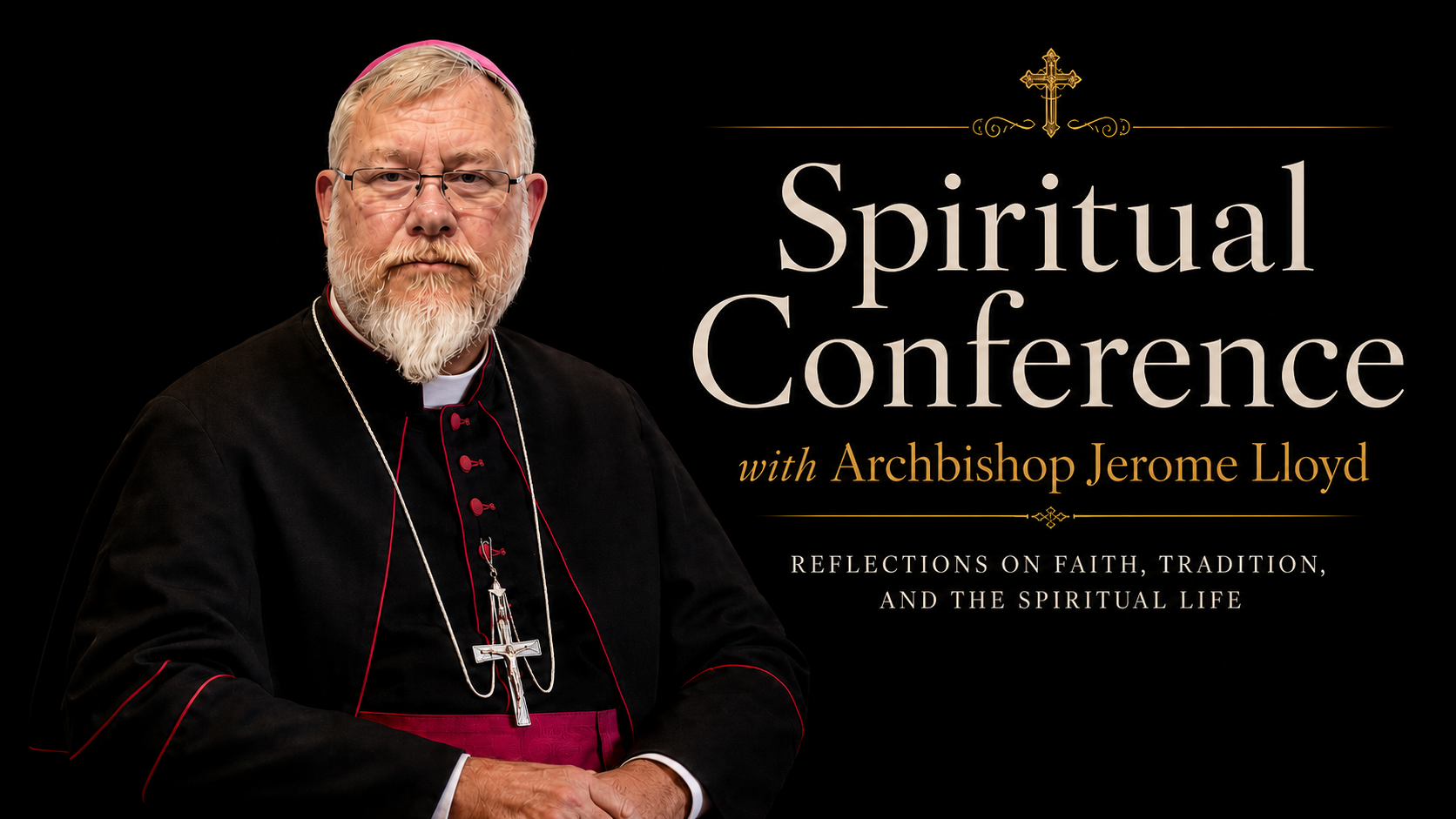
- NOMEN MANET, RES DEEST ~ The Name Remains; the Reality Is Lacking: Spiritual Conference for Nuntiatoria CXXIIThe content emphasises the disconnect between the names associated with Catholicism and the actual practices of faith. It highlights the importance of embodying belief through genuine actions, urging self-examination rather than mere external observance. Ultimately, it advocates for a restoration of sincerity in faith, calling individuals to authentically reflect their beliefs through their lives and worship.
- Mary Is Co-Redemptrix: Cardinal Burke Reopens Rome’s Marian ControversyCardinal Raymond Leo Burke has declared the Virgin Mary as “Co-Redemptrix” amidst controversy over the Vatican’s restriction on this title. The debate revolves around the appropriateness of certain theological language and whether terminology historically used can still accurately express Marian cooperation in Redemption without compromising Christ’s unique role.
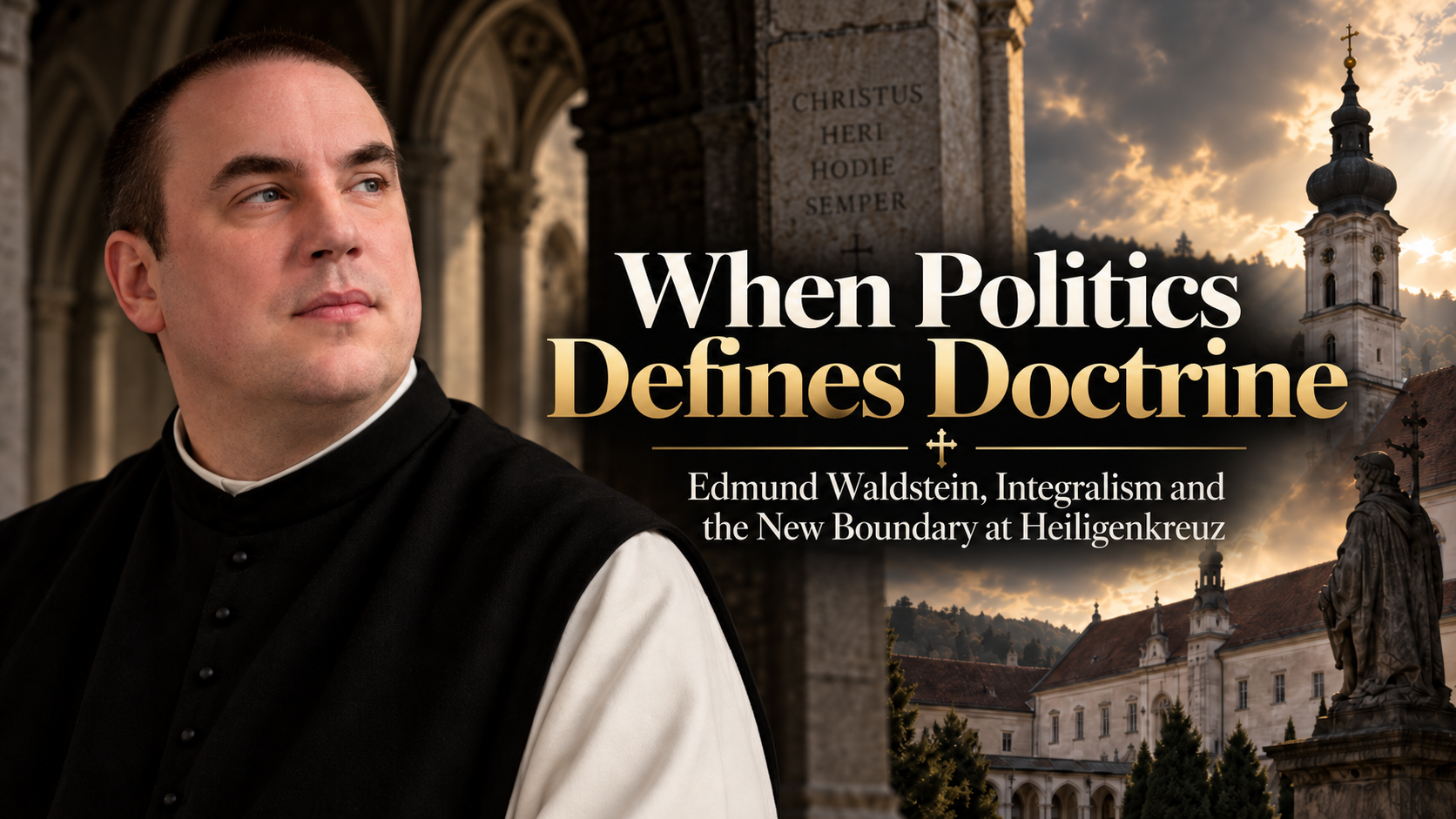
- When Politics Defines Doctrine: Edmund Waldstein, Integralism and the New Boundary at HeiligenkreuzThe ongoing exclusion of Father Edmund Waldstein from teaching at Heiligenkreuz has sparked debate on the limits of acceptable Catholic thought, particularly regarding integralism and its relationship to Church doctrine. Critics argue that Waldstein and similar positions challenge both Catholic teachings and democratic values, raising questions about the intersection of faith and politics.
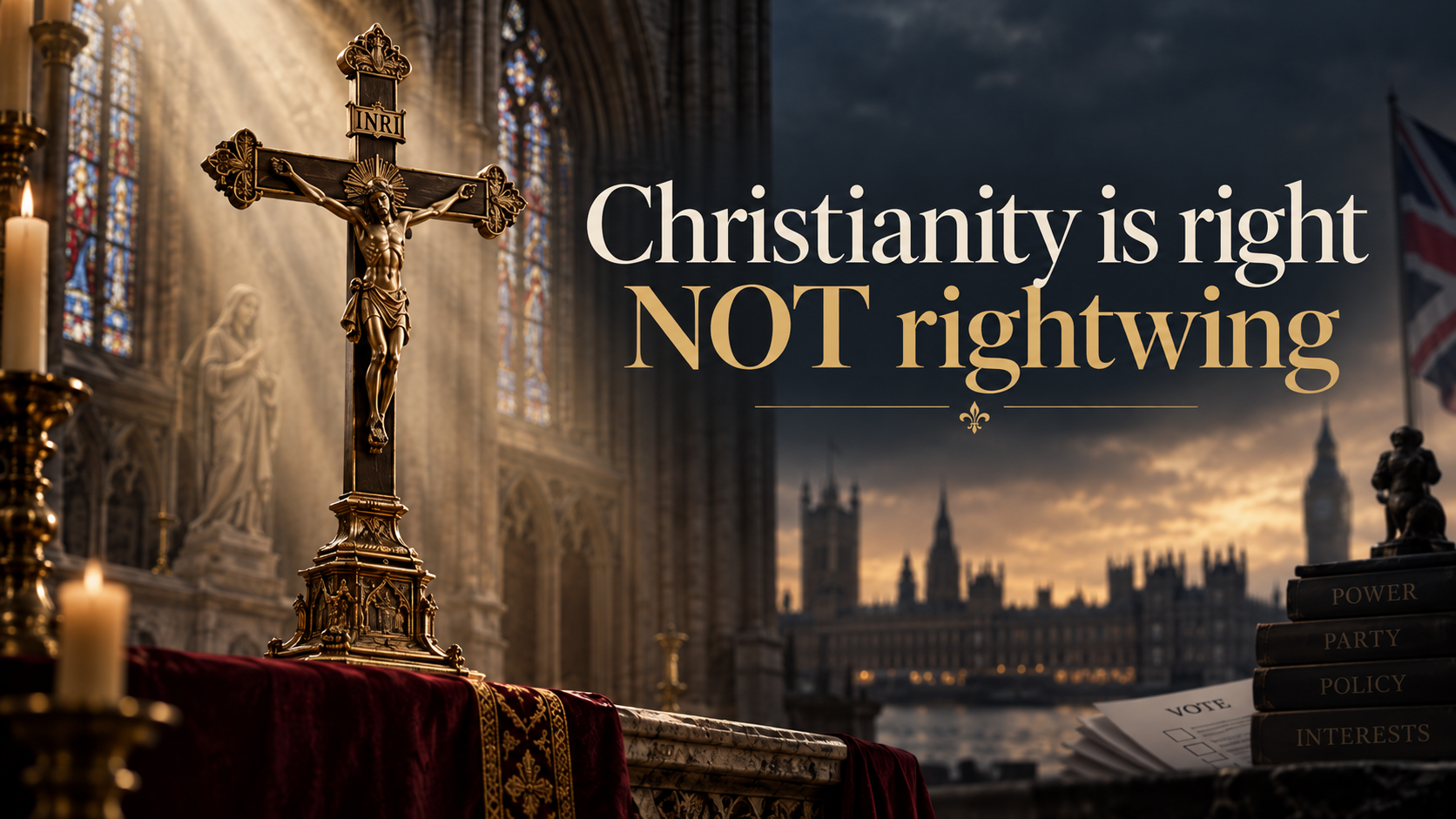
- Christianity Is Right ~ Not Right WingThe article discusses the distinction between Catholic orthodoxy and modern political ideologies, particularly the Right and Christian nationalism. It argues that Catholic beliefs about family, morality, and authority predate contemporary political classifications and should not be conflated with right-wing politics. The ordo amoris framework is presented as a guiding principle for evaluating political alliances while maintaining a focus on the common good and the Social Kingship of Christ.
- Today’s homily: The Nativity of the Blessed Virgin MaryThe Nativity of the Blessed Virgin Mary marks a significant moment in salvation history, representing the dawn of the Incarnation. Mary’s birth, unnoticed by the world, was part of God’s providential plan leading to Christ. This feast invites reflection on humility, obedience, and trust in God’s will, emphasising Mary’s role as the Mother of the Redeemer.



Leave a Reply