

Bethlehem — Little Among Thousands

Through the prophet Micah, divine revelation narrows its focus to a single, humble place. Bethlehem, insignificant by worldly standards, is singled out as the birthplace of the ruler of Israel: “And thou, Bethlehem Ephrata, art a little one among the thousands of Juda; out of thee shall he come forth unto me that is to be the ruler in Israel.”¹ Yet this ruler’s origin is no mere historical accident—His “going forth is from the beginning, from the days of eternity.”²
Symbol: Bethlehem
Reading: Micah 5:1–5
Theme: The birthplace foretold
Here humility and eternity converge. The Fathers consistently marvelled that God chose obscurity as the threshold of salvation, teaching that divine power reveals itself through lowliness rather than spectacle. Bethlehem, the city of David, becomes the meeting point of promise and fulfilment: the shepherd-king’s city will give birth to the Shepherd-Messiah.
As we place Bethlehem upon the Jesse Tree, the long arc of prophecy tightens. From creation, covenant, kingship, exile, and promise, salvation now points to a precise location. Advent trains us to recognise that God’s greatest works often begin where human expectation sees nothing of importance. The Messiah will not arrive in splendour, but in poverty—yet His reign will extend to the ends of the earth.
- Micah 5:2 (Douay-Rheims).
- Micah 5:2.
- Cf. St Leo the Great, Sermon 31 on the Nativity.
THE JESSE TREE REFLECTIONS


Related Articles


Latest Articles
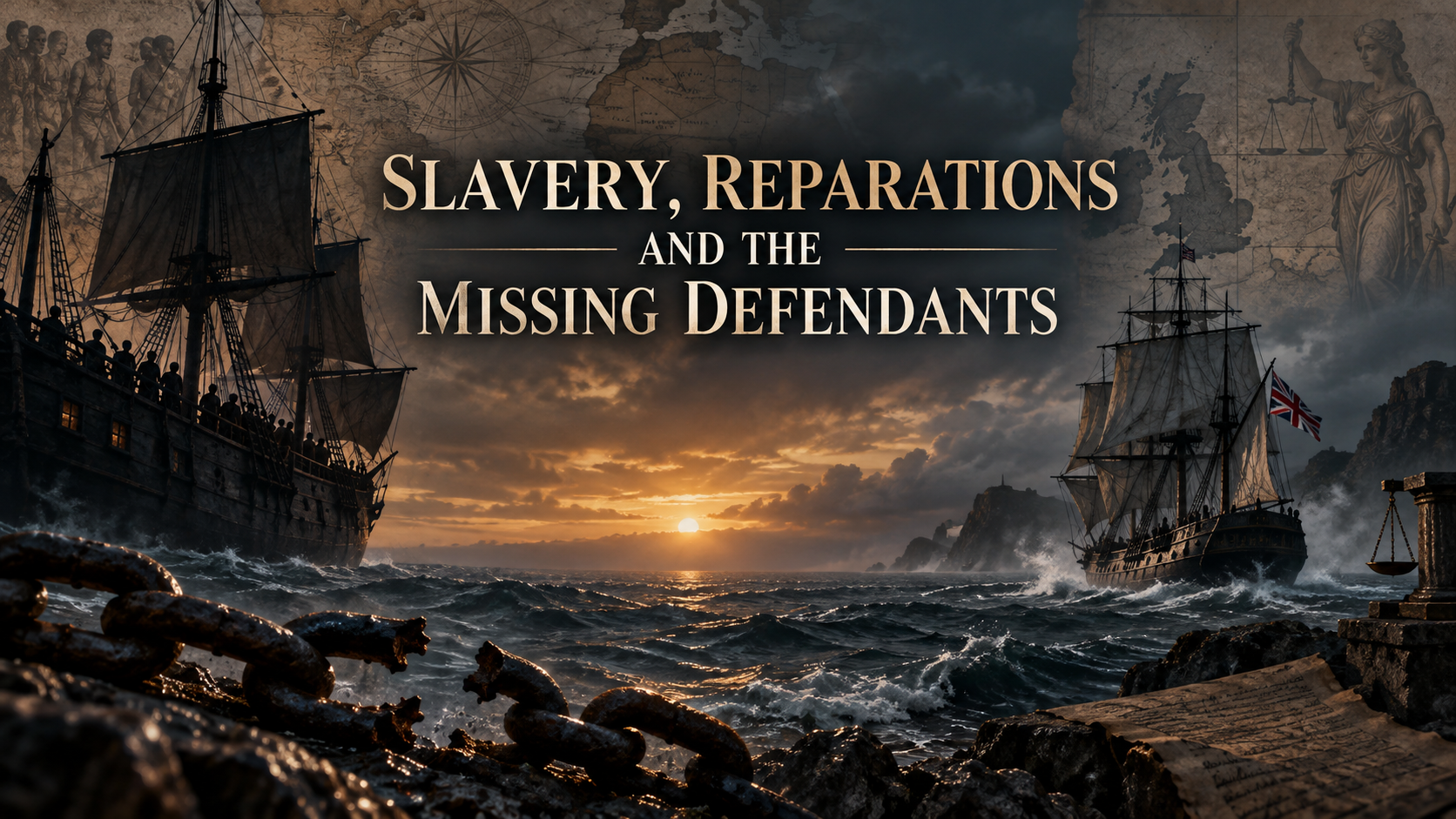
- SLAVERY, REPARATIONS AND THE MISSING DEFENDANTSCaribbean governments are moving towards possible legal action against Britain over slavery. Britain’s responsibility is real, but so are African participation in supplying the Atlantic trade, Britain’s later international campaign to suppress it, the liberation of some 150,000 Africans by the Royal Navy and the deaths of approximately 2,000 British personnel during suppression. Any coherent doctrine of reparations must explain how historical liability is inherited and why the same principle applies to some successor states but not others.
- IVREA: WHEN SYNODALITY MEETS A CLOSED DOORIn the Diocese of Ivrea, disparate grievances have emerged among various communities regarding liturgical restrictions, clerical transfers, and financial transparency, leading to a crisis in confidence. The fundamental issue is whether Bishop ✠Salera’s authority translates into the listening and reconciliation he advocates, as congregations increasingly feel unheard and overlooked.
- Today’s homily: St Eustace & Co. Martyrs, XVII Post PentecostThe reflection on St Eustace and his family’s martyrdom highlights the profound commitment required of Christian households to love God entirely. Their example illustrates that true love for God often entails sacrifices, including comfort and earthly bonds, and that a family must priority spiritual unity over worldly concerns to cultivate faith and strive for eternal salvation.
- Today’s Mass: September 19 S. Eustace & Companions, MartyrsSt. Eustachius, formerly General Placidus, experienced a transformative vision of Christ while hunting. After converting with his family, he endured persecution, losing them temporarily. Reuniting after military success, he ultimately refused to worship pagan deities, leading to his martyrdom with his family. They were later honoured with a church.
- Sermon for St. Eustacius/ Seventeenth Sunday after PentecostThe feast of St. Eustacius, celebrated on the Seventeenth Sunday after Pentecost, commemorates early Christian martyrs who refused to renounce their faith. Despite limited historical knowledge of St. Eustacius, his story embodies the courage of many Christians who, facing persecution from the Roman Empire, chose martyrdom over idolatry, ultimately shaping the Church’s foundation.





Leave a Reply