

THE INVISIBLE CHILD: THE DEATH OF SARA SHARIF AND THE CULTURE THAT CHOSE SILENCE
A Culture Too Afraid to See
The safeguarding review into the murder of ten-year-old Sara Sharif reveals more than institutional shortcomings. It exposes a society in which civic courage has withered beneath the fear of public accusation. Neighbours admitted they heard violence, suspected abuse, and sensed danger, yet remained silent because they feared being labelled racist for reporting a Pakistani-heritage family¹. This self-censorship was not imposed by law but by social pressure—particularly online—where accusations of racism, once made, can be socially ruinous regardless of evidence.
This dynamic has been repeatedly documented in previous safeguarding failures. In multiple inquiries following grooming-gang scandals, local residents and even frontline professionals said they hesitated to report concerns involving minority-heritage perpetrators for fear of being accused of discrimination². When ordinary citizens fear moral condemnation more than they fear the consequences of inaction, a dangerous inversion has occurred. Children become casualties of a social environment more concerned with optics than truth. Sara was not hidden; she was unseen because no one dared to look closely.
A Nation Repeating Its Worst Failures
The review catalogues extensive institutional breakdowns. Sara was known to social services from birth and placed into foster care twice. Concerns were repeatedly raised about physical and emotional abuse. Police, schools, and social workers documented her father’s history of domestic violence, yet she was returned to his custody in 2019³. Critical information was trapped in siloed systems: court documents did not reach social workers; police intelligence did not reach the family courts; education concerns were not shared with safeguarding teams⁴.
These failures echo previous national tragedies. The Rotherham Inquiry found that professionals “suppressed their own instincts” due to fear of being labelled racist⁵. The Bedford Review on Oxfordshire discovered that officers were discouraged from pursuing leads that might “damage community relations”⁶. The Coffey Report in Greater Manchester confirmed that agencies hesitated to intervene in cases involving minority perpetrators for fear of “cultural insensitivity” or “professional consequences”⁷. Each report revealed a pattern: children left exposed not merely because of administrative failure, but because of an ideology that penalises honest risk assessment when ethnicity is involved.
Sara’s case follows this trajectory. Her murder occurred not in a void of knowledge, but in a tangle of withheld concerns, misdirected sensitivities, and bureaucratic blind spots.
Multiculturalism and the Politics of Non-Interference
One of the most striking elements of the review is the use of multicultural explanations to obscure evidence of abuse. When Sara suddenly began wearing a hijab at eight years old—the only family member to do so—the school sought an explanation, yet ultimately accepted the stepmother’s narrative that she had taken an interest in Islam⁸. Expert witnesses later confirmed that this would be highly unusual for a child of her age without familial or peer influence⁹. The hijab, in this case, was not an expression of piety but a mechanism to hide bruises.
This mirrors patterns noted in broader safeguarding research. Forced marriage inquiries have shown that cultural markers are often employed by perpetrators to deflect scrutiny, while professionals, fearful of crossing cultural boundaries, withdraw from necessary intervention¹⁰. Honour-based violence reviews likewise show consistent under-reporting due to fear of “cultural offence”¹¹. British agencies have become conditioned to treat anything framed as cultural or religious with undue deference—even when the welfare of a child is at stake.
Multiculturalism, when severed from moral clarity, becomes a form of abandonment. In Sara’s final months, home education was weaponised to remove her from public visibility. Research by the Children’s Commissioner has repeatedly warned that unmonitored home education creates safeguarding blind spots, especially for children already known to social services¹². The Sharifs used those limitations to conceal escalating abuse.
The Politics of Accusation and the Collapse of Civic Courage
Sara’s death forces a broader political reckoning. The fear of being labelled racist—regardless of intent or evidence—now exerts a chilling effect on public duty. The Government’s spokesperson acknowledged this but offered merely procedural assurances. What is required is recognition that safeguarding cannot function when ideology overrides reality.
Studies into public-service behaviour have shown that professionals frequently avoid confronting culturally sensitive safeguarding concerns due to fear of disciplinary action or reputational damage¹³. Police federation testimonies have confirmed that officers hesitate in cases where community accusations of prejudice would follow enforcement¹⁴. This climate fosters paralysis. It prevents honest risk assessment. It silences warnings. It enables cruelty.
A society cannot protect its children if it prioritises the avoidance of social stigma over the confrontation of dangerous realities. Moral clarity is being replaced by reputational caution. Truth is being replaced by narrative. Duty is being replaced by fear.
An Invisible Child in Plain Sight
Sara’s life is a catalogue of missed opportunities. A social worker visited the wrong address two days before she died due to outdated records. Her bruises were hidden beneath a headscarf no one dared to question. Teachers accepted improbable explanations. Courts returned her to a father with a documented history of violence. Neighbours heard her screams and stayed silent. The reviews speak of “thinking the unthinkable,” but the truth is harder: institutions and citizens must regain the courage to speak the unsayable.
Sara’s father and stepmother tortured her. But a culture of silence, fear, and ideological fragility allowed it to continue. Britain must confront the uncomfortable truth that safeguarding failures are no longer accidental—they are structural, cultural, and political.
To protect the next child, the country must rediscover the will to see.
- Surrey Safeguarding Children Partnership, Child Safeguarding Practice Review: Sara (2025), section on neighbour testimony.
- Jay, Alexis. Independent Inquiry into Child Sexual Exploitation in Rotherham 1997–2013 (Rotherham MBC, 2014), pp. 91–94.
- Surrey SCP, Sara Review, chronology of agency involvement 2013–2019.
- Ibid., multi-agency information-sharing findings.
- Jay, Rotherham Inquiry, findings on fear of racial accusations.
- Bedford, Alan. Serious Case Review into Child Sexual Exploitation in Oxfordshire (Oxfordshire County Council, 2015), sections on professional hesitation.
- Coffey, Ann. Real Voices: Child Sexual Exploitation in Greater Manchester (2014), cultural-sensitivity concerns.
- Surrey SCP, Sara Review, section on school observations.
- Ibid., expert testimony from local Muslim advisers.
- Home Office, Forced Marriage Unit Annual Report (2022), patterns of cultural avoidance.
- HMICFRS, Honour-Based Abuse, Forced Marriage and FGM: National Inspection (2015).
- Children’s Commissioner for England, Invisible Children: Home Education and Safeguarding (2020).
- Policy Exchange, Double Standards: What the Public Thinks of Race and Policing (2021), findings on professional fear.
- Police Federation of England and Wales, submissions to the Home Affairs Select Committee on race and policing (2020).


Latest
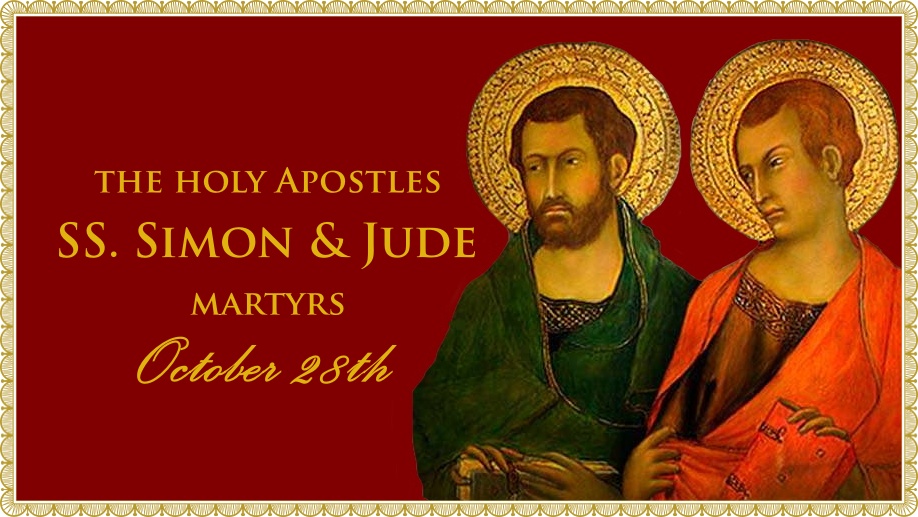
- Today’s Mass: October 28 SS Simon & Jude, ApostlesToday, we honour Apostles Simon and Jude, believed to have been martyred together. Simon, known for his zeal, preached in various regions and is recognised as the patron saint of tanners. Jude, a relative of Jesus, authored an epistle urging faith and perseverance amidst challenges. Their joint feast is celebrated on October 28.
- Sermon for St. Simon and St. JudeToday marks the feast of St. Simon and St. Jude, two lesser-known apostles. St. Jude, distinct from Judas Iscariot, addresses issues of faith in his epistle, urging believers to uphold morality amidst challenges. He warns against false teachings and moral licence, highlighting the enduring relevance of these concerns in contemporary Christianity.
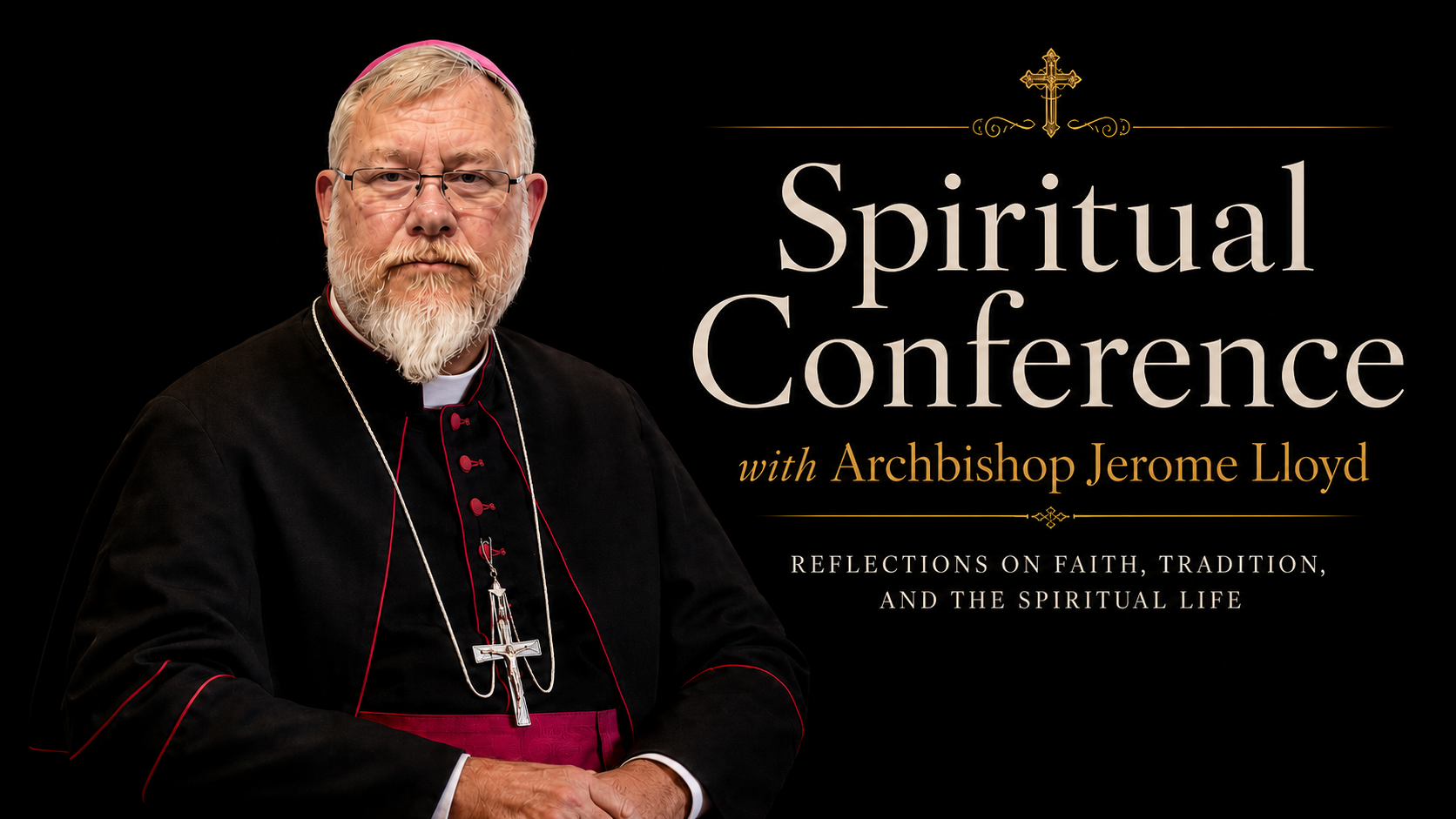
- CHRIST MUST REIGN HERE: A Spiritual Conference for the Feast of Christ the King, 2026HE ✠Jerome Lloyd calls on traditional Catholics to manifest Christ’s sovereignty in their lives, stressing personal conversion and the sanctification of home life. Through sacramental discipline, virtues, and active citizenship, he emphasises that the social reign of Christ can renew communities, starting with individual submission to His authority.
- Today’s homily: Vigil SS Simon & JudeOn the Vigil of Saints Simon and Jude, the Church recalls the sufferings of the Apostles and the supernatural source of their perseverance. Christ’s command to abide in Him challenges Catholics to unite doctrinal fidelity with personal holiness, courageous witness with charity, and devotion to tradition with genuine conversion of life.
- Today’s Mass: October 27 Vigil of SS Simon & Jude, ApostlesThe vigil of SS Simon and Jude celebrates their apostolic contributions and shared commemoration in the Church. St. Jude, author of a New Testament Epistle, and Simon, with a shared mission in Mesopotamia and Persia, exemplify zealous anticipation of liturgical solemnities. Their legacy is acknowledged through prayers and reflections in early Christian traditions.



Leave a Reply