
Consultation, Tokenism, or Reconfiguration? Sister Brambilla and the Theology of Episcopal Discernment
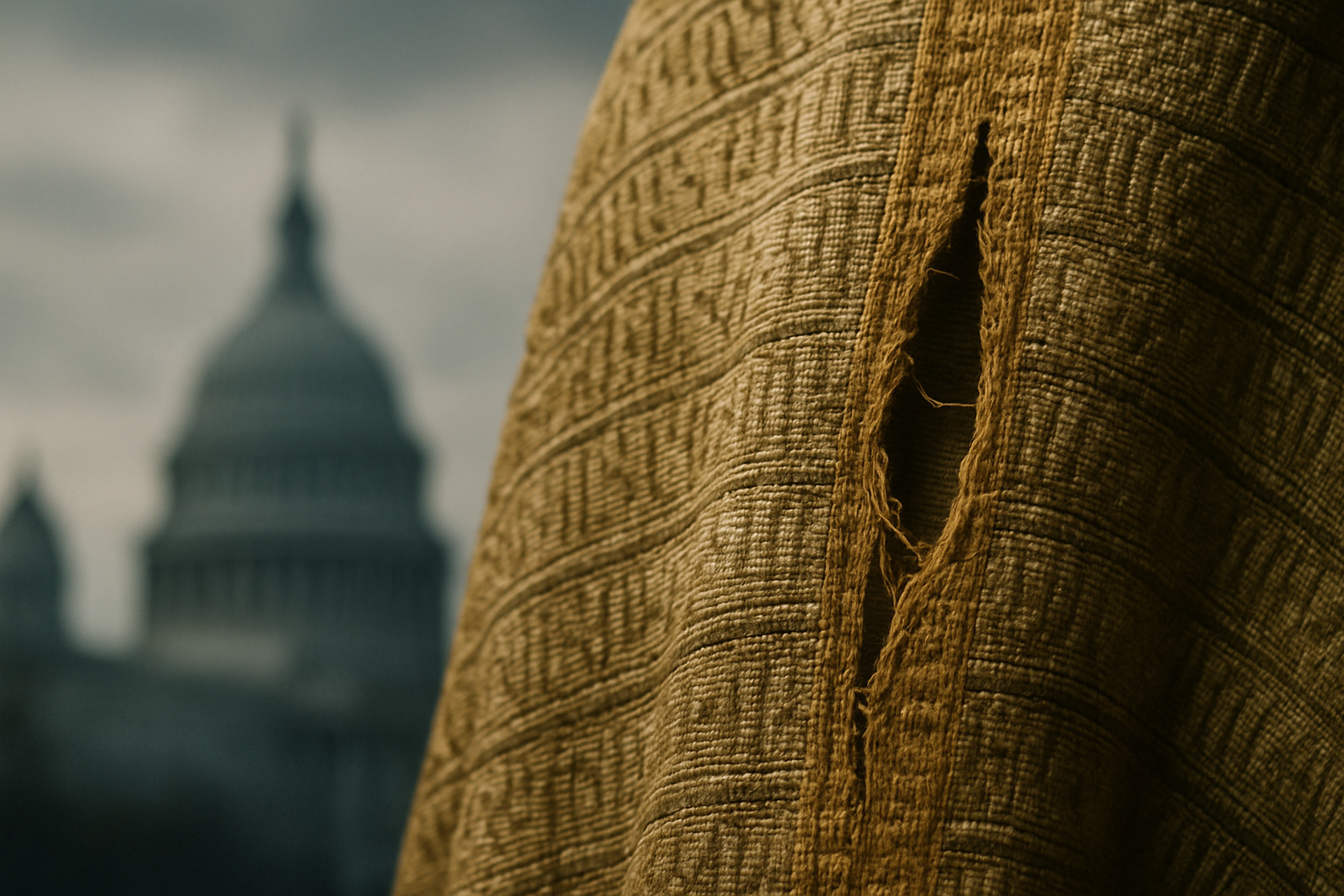
The appointment of Sister Simona Brambilla as a member of the Dicastery for Bishops by Pope Leo XIV is not a marginal administrative adjustment. It is an ecclesiological moment. It compels us to examine not only the novelty of her inclusion, but the broader theological orientation of the Dicastery itself and the trajectory of episcopal appointments emerging from its deliberations.
This publication previously distinguished between civil administration and sacramental governance in discussing the role of Sister Raffaella Petrini. Civil oversight within Vatican City State does not directly mediate apostolic succession. The Dicastery for Bishops does. It assists the Roman Pontiff in discerning those who will receive the fullness of Holy Orders and govern the particular Churches of Christ.¹ Selection, therefore, is not bureaucratic routine. It is theology embodied in personnel.

The Sacramental Constitution of the Episcopate
The Second Vatican Council reaffirmed that bishops, “by divine institution,” succeed the Apostles and receive the fullness of the sacrament of Orders.² Vatican I taught that the Church is hierarchically constituted by divine institution, not by sociological evolution.³ The bishop is not a diocesan executive among others. He is ontologically configured to Christ the Head and Shepherd. His authority flows from sacramental consecration and papal mandate, not from managerial competence alone.
Historically, the bodies responsible for episcopal discernment reflected this sacramental gravity. Cardinals and bishops — themselves bearers of episcopal character — deliberated concerning those who might share in that same fullness. The visible structure mirrored the invisible ontology. Sister Brambilla’s appointment does not alter doctrine. She does not ordain, nor does she exercise episcopal jurisdiction. Yet her formal membership within a dicastery intimately connected with apostolic succession introduces a structural novelty that inevitably invites theological reflection.
Potestas Ordinis, Potestas Regiminis, and the Question of Symbolism
St Thomas Aquinas distinguished between potestas ordinis and potestas regiminis, the power of order and the power of governance.⁴ Though conceptually distinct, these powers have historically been organically related. Governance in the Church has not been conceived as a neutral managerial function but as flowing from sacramental configuration.
The 1983 Code of Canon Law permits lay persons to cooperate in the exercise of governance.⁵ Apostolic Constitution Praedicate Evangelium widened the possibility of non-ordained members serving within curial dicasteries.⁶ The appointment is therefore juridically legitimate. Yet juridical permissibility does not exhaust theological meaning. When a body directly shaping episcopal succession becomes structurally diversified in terms primarily articulated through participation and inclusion, the visible grammar of hierarchy shifts. The Church is not hierarchically organised for efficiency; she is hierarchically constituted by Christ. If governance appears primarily procedural, sacramental rootedness risks receding from view.
Consultation or Tokenism?
The appointment has been defended as consultative enrichment — an inclusion of consecrated women bringing valuable pastoral insight to episcopal discernment. Critics, including commentators at Silere Non Possum, have described it as tokenistic, arguing that appeals to a distinct “female perspective” reflect sociological reasoning rather than theological necessity.⁷ The deeper issue lies beneath rhetoric. Does structural membership in a body shaping apostolic succession represent mere consultation, or does it signal gradual reconfiguration of how ecclesial authority is visibly embodied?
The Church has always benefited from the wisdom of holy women. St Catherine of Siena influenced papal decisions through sanctity and moral authority, not through institutional office. The distinction between moral influence and structural redefinition is not trivial. Structures catechise. They teach the faithful what the Church believes about herself.
If episcopal discernment increasingly resembles corporate recruitment overseen by diversified committees, the ontological distinctiveness of Holy Orders may gradually be perceived as sociological differentiation rather than sacramental configuration. No dogma need be denied for perception to change.
The Polity of the Dicastery
The significance of Sister Brambilla’s appointment becomes clearer when placed within the theological orientation of the Dicastery’s membership. Among its leading figures are Cardinal Pietro Parolin, Cardinal Víctor Manuel Fernández, Cardinal Mario Grech, and Cardinal Arthur Roche. This is not an ideologically fragmented body. It reflects consolidated conciliar continuity, strong commitment to synodal processes, firm adherence to the normative status of the reformed liturgy, and institutional loyalty to curial direction.
Notably absent are prominent voices publicly associated with restorationist liturgical renewal or sustained critique of recent synodal developments. Theology shapes evaluation. Evaluation shapes selection. Selection shapes the Church.
Recent Metropolitan Appointments as Indicators
Official announcements from the Holy See Press Office concerning appointments to major metropolitan sees — including Westminster, Vienna, and New York — reveal consistent emphasis on pastoral sensitivity, synodal engagement, cultural dialogue, and fidelity to post-1970 liturgical norms.⁸ Such patterns are not incidental. They reflect evaluative instincts operative within the Dicastery.
Over time, these instincts shape episcopal culture. Bishops selected for pastoral elasticity and consultative governance will influence seminary formation, diocesan structures, catechetical tone, and liturgical practice accordingly. Preference reveals theology. Selection embodies it.
Implications for Tradition
The implications for Tradition are cumulative rather than dramatic. The implementation of Traditionis Custodes signalled a clear curial orientation toward the reformed liturgy.⁹ Within such a framework, candidates perceived as strongly aligned with expansion of the Traditional Latin Mass are unlikely to be prioritised. Over a generation, this shapes diocesan liturgical life.
Catechetically, emphasis on accompaniment and discernment, if insufficiently balanced by doctrinal clarity, may soften public articulation of perennial teaching. In seminary formation, managerial collaboration and synodal facilitation may become the traits most visibly encouraged in episcopal leadership. Tradition rarely collapses abruptly. It attenuates gradually.
Reform or Reconfiguration?
It would be unjust to portray Sister Brambilla’s appointment as doctrinal rupture. Apostolic succession remains intact. Episcopal consecration remains sacramentally reserved. Yet reform can shade into reconfiguration when structural symbolism ceases clearly to reflect sacramental ontology. Consultative enrichment is legitimate. Inclusion framed primarily in representational terms risks allowing sociological categories to eclipse theological clarity.
The decisive question is whether the Church’s visible structures continue unmistakably to proclaim that episcopal governance flows from sacramental configuration rather than from functional competence alone.
The influence of the Dicastery unfolds slowly but decisively. Bishops appoint priests, shape seminaries, regulate liturgical life, and guide catechesis. Over decades, consistent patterns of episcopal selection reshape ecclesial culture more profoundly than any single document. Sister Brambilla’s appointment, situated within a consolidated conciliar-synodal polity, may appear incremental. Yet incremental shifts accumulate.
Selection is ecclesiology in action. The Church must reform — but she must reform as what she is: a sacramental communion hierarchically constituted by Christ. Whether that sacramental grammar remains luminous in the structures of episcopal discernment is the question that now stands before us.
¹ Apostolic Constitution Praedicate Evangelium (19 March 2022), arts. 112–120.
² Second Vatican Council, Lumen Gentium, §§20–21.
³ First Vatican Council, Pastor Aeternus, DS 3050–3075.
⁴ St Thomas Aquinas, Summa Theologiae, Supplementum, q. 34, a. 2; q. 40, a. 4.
⁵ Code of Canon Law (1983), can. 129 §§1–2.
⁶ Praedicate Evangelium, arts. 10–15.
⁷ Silere Non Possum, “Donne che valutano i vescovi? I risultati di questo tokenismo è sotto gli occhi di tutti,” February 2026.
⁸ Holy See Press Office, Bollettino, official announcements of metropolitan appointments (2024–2026).
⁹ Pope Francis, Apostolic Letter Traditionis Custodes (16 July 2021).
RELATED ARTICLES


Latest ARTICLES
- Today’s Mass: September 05 Saint Lawrence JustinianSaint Lawrence Justinian, the first Patriarch of Venice, dedicated his life to the poor and the establishment of monasteries, rejecting noble marriage. Renowned for his humility and pastoral dedication, he emphasised the spiritual integrity of Venice’s safety. He was a precursor to the reforms of the Council of Trent, dying on 8 January 1455.
- 06.09.26 Nuntiatoria CXXII: NOMEN MANET, RES DEESTThis edition of Nuntiatoria explores the disconnect between the names of Catholic institutions and the realities they signify. Despite retaining their titles, many aspects of Catholicism—such as episcopal authority in China and religious practice in Poland—exhibit deteriorating substance. The piece cautions against superficial continuity, stressing the importance of genuine faith and practice over mere nomenclature.
- ORDO w/c 06.09.26The document outlines the liturgical schedule for the week of 6 to 13 September 2026, highlighting significant religious observances such as the Fifteenth Sunday after Pentecost and the Nativity of the Blessed Virgin Mary. It reflects on themes of compassion, holiness, fidelity, and humility, underscoring their importance in Christian life.
- The Fifteenth Sunday after Pentecost: When the Procession of Death Meets the Lord of LifeThe Fifteenth Sunday after Pentecost focuses on the transformative power of Christ, emphasising the supernatural life granted through grace. The liturgy highlights the Church’s role as a nurturing mother, mourning the spiritually dead while seeking their restoration. Christ’s compassion leads to resurrection, demonstrating that true life is found in dependence on Him.
- If Cecchin Is Right, Fatima Is WrongFr Stefano Cecchin, President of the Pontifical International Marian Academy, has declared opposition to apparitions that speak of divine punishment, suggesting they are false. This stance contradicts fundamental Catholic doctrine, including teachings from Scripture, the Catechism, and specifically the Message of Fatima, which warns of divine consequences for sin.



Leave a Reply