
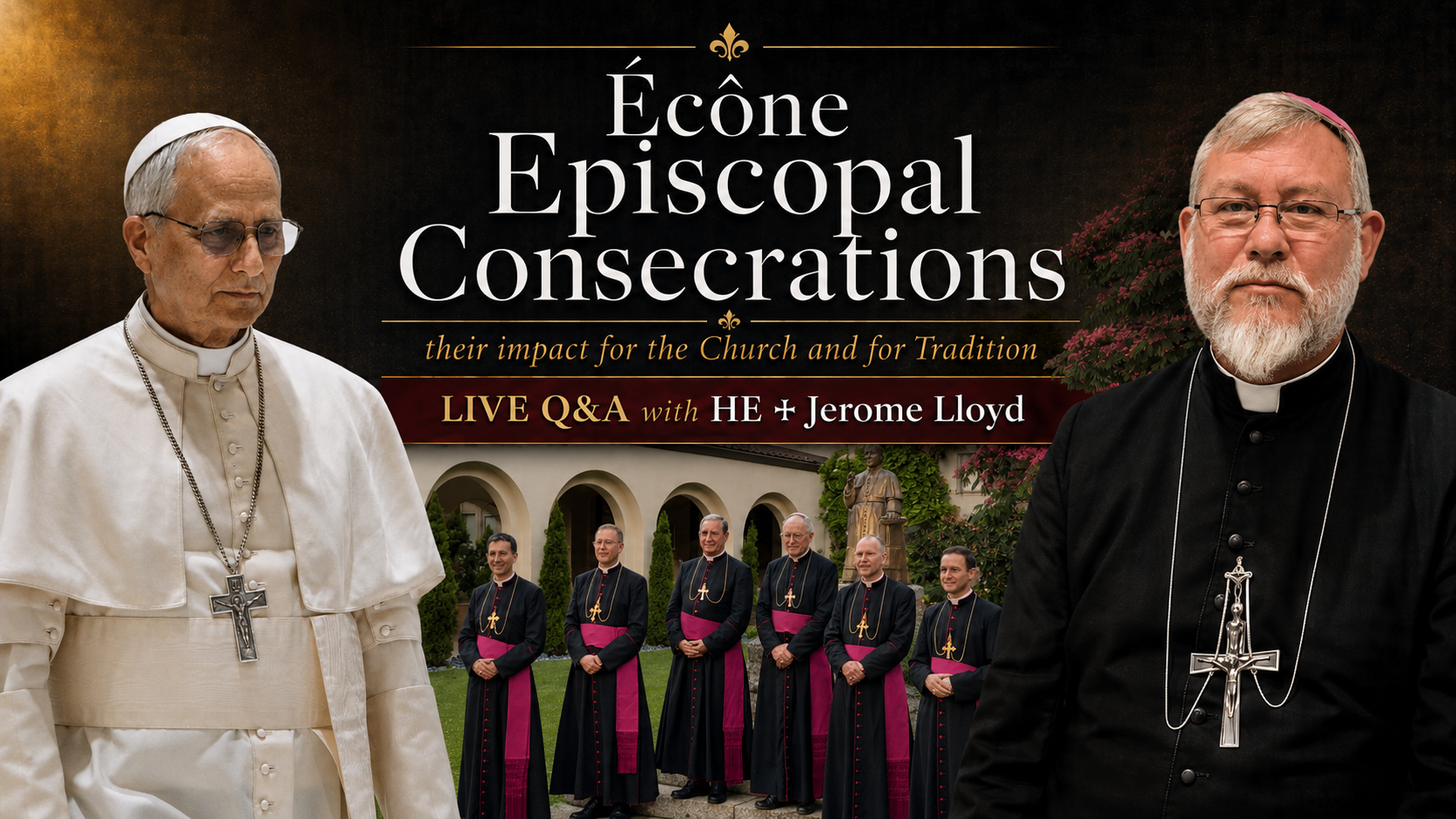
Écône Episcopal Consecrations: Their Impact for the Church and for Tradition
The episcopal consecrations undertaken by the Society of St Pius X at Écône mark a moment of exceptional significance for the Catholic Church and for the future of the traditionalist movement. They raise urgent questions concerning authority, obedience, necessity, jurisdiction, ecclesial unity, sacramental continuity, canonical irregularity and the responsibilities of Rome in the present crisis.
This live question-and-answer event offers an opportunity to examine those questions directly, seriously and in real time with the Primus of the Old Roman Apostolate, HE ✠Jerome Lloyd.
The discussion will consider the theological and canonical arguments advanced in defence of the consecrations, including the appeal to a state of necessity and the duty to preserve the traditional priesthood, Mass and doctrine. It will also examine the grave objections raised against proceeding without a pontifical mandate, the possible canonical consequences for the consecrating and consecrated bishops, and the implications for the Society’s relationship with the Holy See.
Particular attention will be given to the distinction between sacramental validity and canonical liceity. A bishop may be validly consecrated while the act itself remains unlawful. What, then, is the status of the new bishops? What authority will they possess? Can necessity supply what ordinary jurisdiction does not? What limits will apply to their ministry? These are not merely technical questions. They bear directly upon the consciences of priests and faithful who look to the Society for the sacraments and for the defence of Tradition.
The event will also explore whether the consecrations constitute an act of schism, a movement towards schism, or an unlawful act undertaken without the intention of severing communion with the Roman Pontiff. The canonical definition of schism, the significance of public declarations of loyalty to the Pope, and the difference between disobedience and formal rejection of papal authority will all require careful consideration.
The responsibilities of Rome cannot be excluded. For decades, the Society has maintained that it requires bishops in order to preserve its seminaries, ordinations, confirmations and apostolate. Could the Holy See have provided a lawful solution? Did the repeated failure to establish a stable canonical structure contribute to the present outcome? What options now remain open to the Pope: dialogue, sanctions, recognition, partial regularisation or some form of renewed canonical provision?
The wider consequences for the traditional Catholic world may be profound. The consecrations may secure the Society’s sacramental future, but they may also deepen its isolation. They may reassure some traditional Catholics while alarming others who fear the normalisation of episcopal action outside the visible structures of the Church. They may also affect relations between the Society, canonically recognised traditional institutes, independent traditional clergy and bishops already serving in irregular circumstances.
Within that broader discussion, there will also be consideration of the newly consecrated bishops themselves. Episcopal consecration carries a spiritual, personal and pastoral weight that extends far beyond the ceremony. The new bishops will have to discern how their ministry is to be exercised, how far it is to remain sacramental and auxiliary, how they are to relate to the Society’s existing government, and how their ministry will be received by clergy and faithful both within and beyond the Society.
On this aspect, HE ✠Jerome Lloyd can speak from personal episcopal experience. He will reflect upon the realities of receiving and exercising the episcopate in irregular circumstances: the burden of responsibility, the tension between sacramental duty and disputed canonical status, and the need for prudence, restraint and a clear understanding of the limits of one’s authority. This will form one part of the discussion, rather than its principal focus.
The excommunications declared in their aftermath add a further layer of canonical and pastoral gravity. This live Q&A will consider who is said to have incurred or received censure, the legal basis advanced for those penalties, the distinction between automatic and formally declared excommunication, and the relevance of necessity, fear, imputability and intention under canon law. It will also examine whether the consecrations amount to schism, whether disobedience alone is sufficient to establish schismatic intent, and what the censures may mean in practice for the bishops, priests and faithful associated with the Society.
The event will seek to move beyond slogans and partisan reactions. It will ask what the consecrations actually mean in sacramental, canonical, ecclesiological and pastoral terms; what they do not mean; and how Catholics should respond without either minimising the gravity of the act or exaggerating its consequences beyond what Catholic doctrine and law permit.
As Primus of the Old Roman Apostolate, HE ✠Jerome Lloyd brings to the discussion the perspective of a traditional Catholic bishop conscious both of the necessity of preserving the ancient faith and liturgy and of the wounds caused by irregularity, separation and unresolved questions of authority. The conversation will address the duties of bishops in times of crisis, the limits of private judgement, the claims of necessity, the nature of communion with Rome, and the distinction between defending Tradition and constructing a parallel ecclesial order.
Participants will be able to submit questions and receive answers during the live broadcast. Questions may concern the validity and liceity of the consecrations, the penalties envisaged by canon law, the possibility of excommunication, the status and future ministry of the new bishops, the Society’s relationship with Rome, the Pope’s available options, the duties of the faithful, and the wider consequences for the Church and for Catholic Tradition.
This will be an opportunity for serious and informed discussion at a decisive moment: not only about what happened at Écône, but about what now follows for the Society of St Pius X, the Holy See, the traditional Catholic world and the unity of the Church.
Join the live Q&A with HE ✠Jerome Lloyd for an in-depth examination of the Écône episcopal consecrations and their consequences for the Society of St Pius X, the wider Church and the future of Tradition.
RELATED ARTiCLES


LATEST ARTICLES
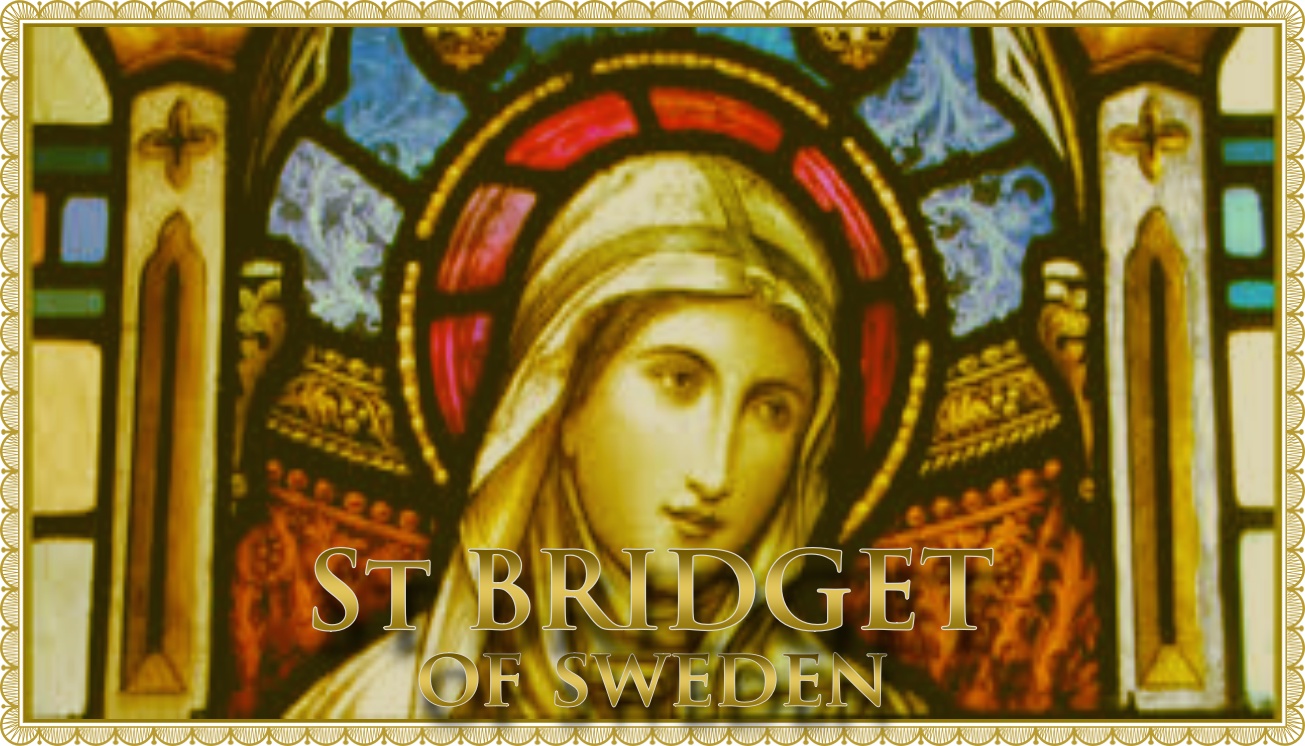
- Today’s Mass: October 08 St Bridget of SwedenSaint Bridget of Sweden, born around 1302, was a noblewoman renowned for her piety and prophetic revelations. After marrying Prince Ulpho and raising eight children, she led a life of austerity and charity, founding the Order of the Holy Saviour. She died in Rome in 1373 and was canonised in 1391.
- Today’s Mass: October 07 Pope St Mark, ConfessorSt Mark’s brief pontificate teaches that God measures fidelity, not duration or worldly achievement. Christ alone possesses the everlasting priesthood; His servants are stewards of what they have received. With the commemorated martyrs, St Mark reminds us to persevere faithfully, so that when the Lord comes, He finds us “so doing.”
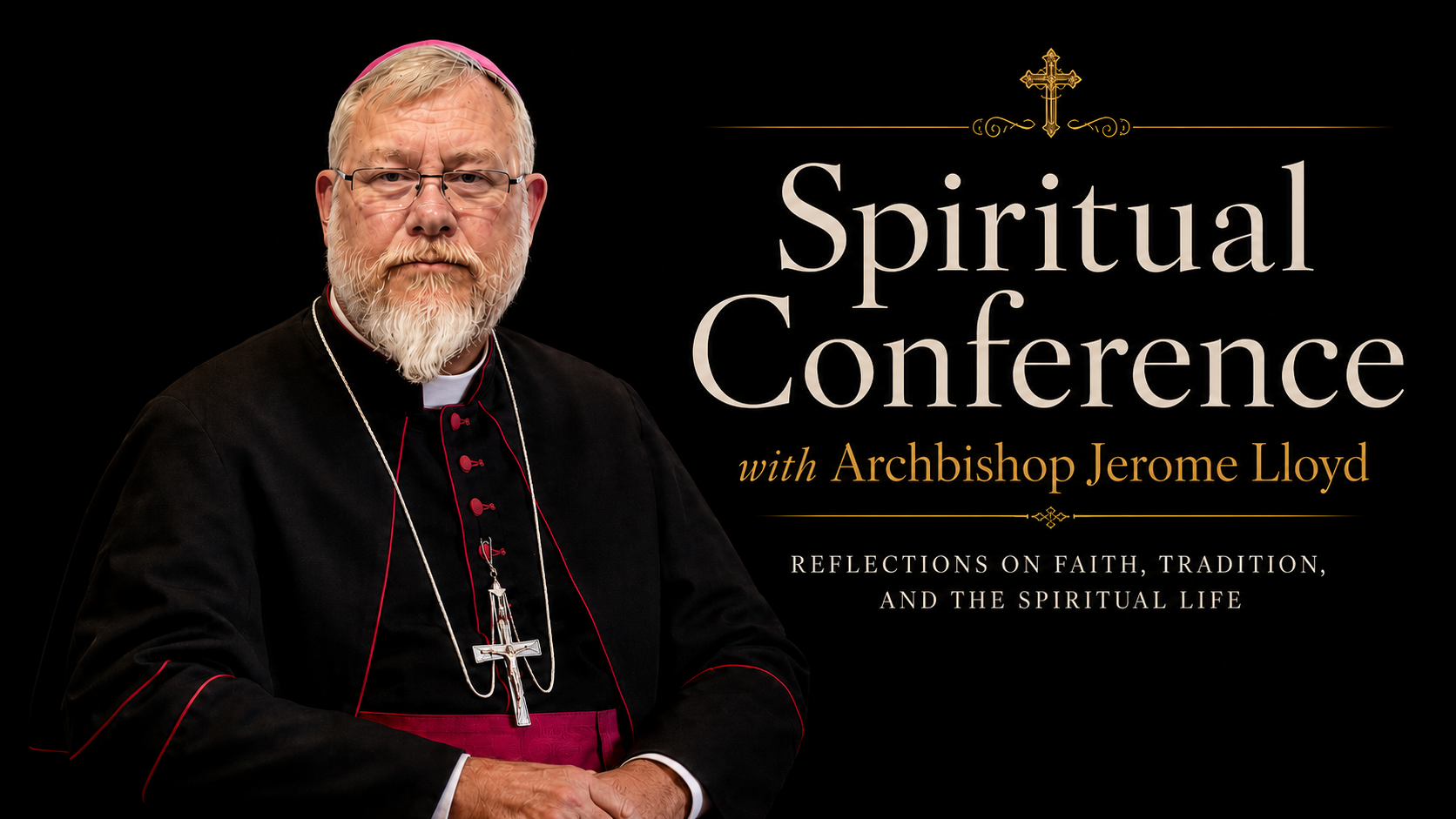
- Omnia autem probate: quod bonum est tenete ~ Prove all things; hold fast that which is good: Spiritual Conference for Nuntiatoria CXXVIThe conference reflects on St Paul’s assertion to “prove all things” in relation to self-judgement and the Church. It explores themes of synodality, ecumenism, and the importance of discernment, emphasising the need for humility in understanding truth and the challenge of maintaining genuine holiness in the midst of contemporary ecclesiastical crises.
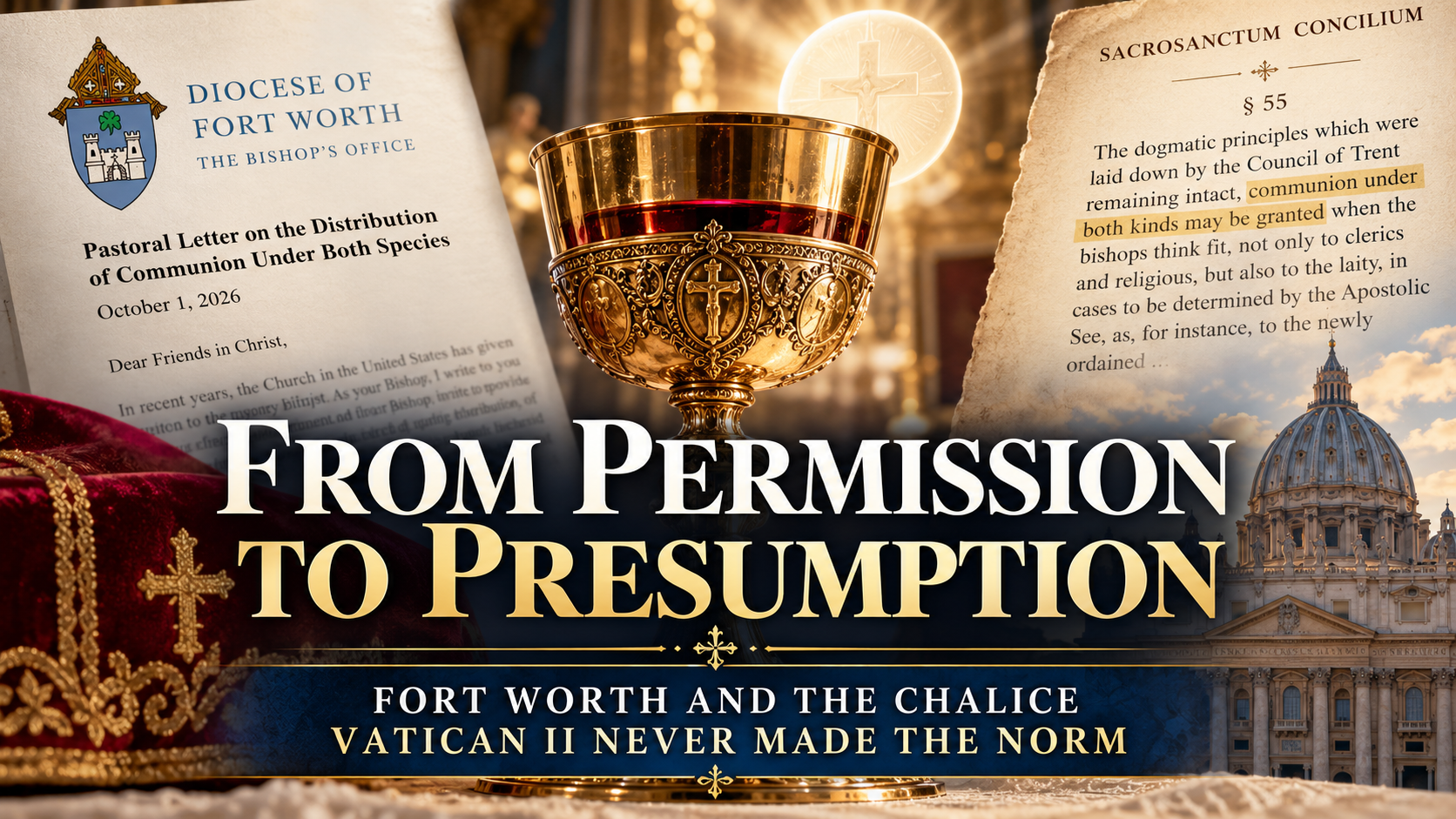
- FROM PERMISSION TO PRESUMPTION: Fort Worth and the Chalice Vatican II never made the NormBishop Michael Olson has implemented strict limitations on the distribution of Communion under both species in the Diocese of Fort Worth, prompting a discussion on the historical evolution of liturgical practices following Vatican II. This decision aims to reaffirm the doctrine of the Eucharist, emphasising that Christ is fully present under either species, while addressing misconceptions surrounding modern practices.
- AUGSBURG 2030: Can Rome commemorate a Confession it once confuted?Pope Leo XIV aims to revitalise the ecumenical spirit of the Augsburg Confession for its 2030 anniversary. However, historical responses from Rome highlight significant doctrinal differences between Catholics and Lutherans. True reconciliation must acknowledge these unresolved issues, as merely celebrating commonality risks glossing over critical theological distinctions that led to the Reformation.
CURRENT EDITION


Today’s Mass Propers
- Today’s Mass: October 08 St Bridget of Sweden
 Saint Bridget of Sweden, born around 1302, was a noblewoman renowned for her piety and prophetic revelations. After marrying Prince Ulpho and raising eight children, she led a life of austerity and charity, founding the Order of the Holy Saviour. She died in Rome in 1373 and was canonised in 1391.

Leave a Reply